Tehran, Iran — Star Struck Times
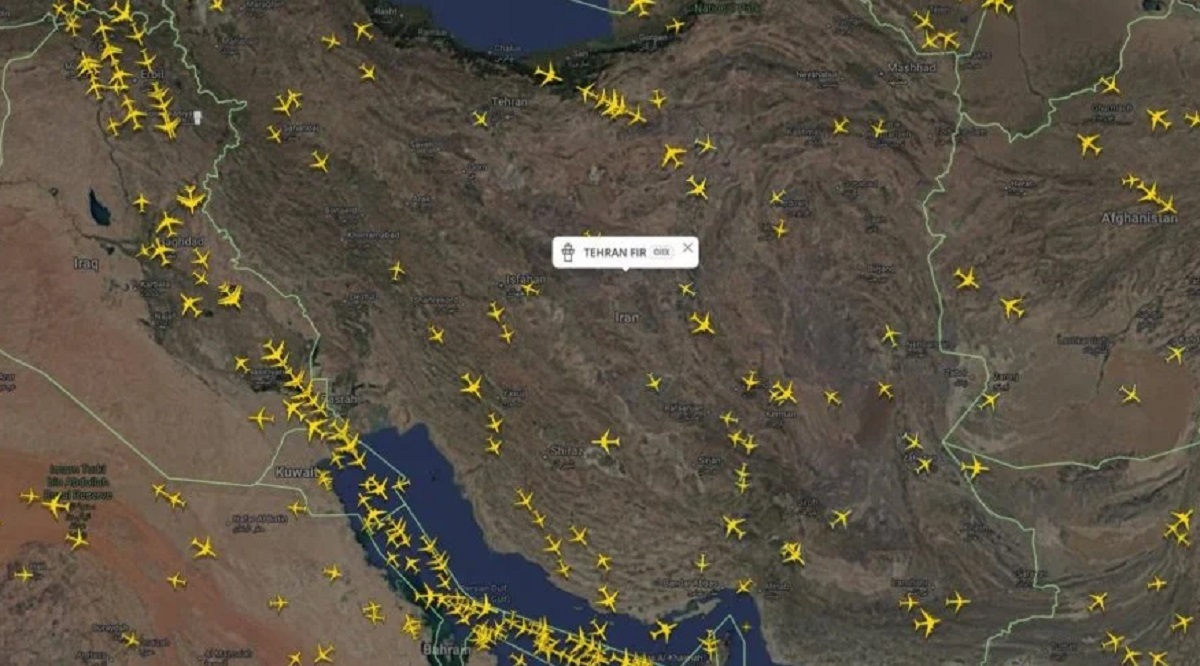
Iran has extended the closure of its airspace to all commercial flights, according to an early Thursday notice issued to pilots and reported by the Associated Press. The move comes amid heightened political tensions, ongoing domestic unrest, and strained diplomatic relations with the United States. Aviation authorities confirmed the shutdown, initially planned for just over two hours, will remain in effect until 7:30 a.m. local time, disrupting one of the world’s busiest east–west flight corridors and prompting airlines to reroute or delay flights across Europe, Asia, and the Middle East.
Key Highlights
- Iran extended its nationwide airspace closure for commercial flights early Thursday
- The shutdown affects major international flight routes between Europe and Asia
- Airlines and aviation officials are closely monitoring flight radar disruptions
- The decision comes amid internal protests and diplomatic tensions with the U.S.
- Iranian officials have denied reports of planned executions of protesters
What Happened: Iran Extends Airspace Shutdown
According to a Notice to Airmen (NOTAM) cited by the Associated Press, Iranian aviation authorities ordered a temporary closure of the country’s airspace to all commercial flights. The original restriction, which lasted slightly over two hours, was later extended without detailed public explanation.

Iran’s airspace is a critical transit zone for long-haul flights connecting Europe, Asia, and the Middle East. Airlines routinely rely on Iranian skies to reduce fuel costs and flight times. The sudden extension has forced carriers to divert routes over alternative regions, increasing operational costs and travel durations.
Flight tracking platforms such as FlightRadar24 showed a noticeable drop in aircraft passing through Iranian territory, with several international carriers opting for longer detours. An aviation official familiar with regional operations said the decision reflects “a precautionary approach during a volatile security situation.”
Public and Official Reactions
The airspace closure has drawn attention from global aviation bodies and foreign governments. While Iranian authorities have not provided a detailed justification, the timing coincides with intensified scrutiny over Iran’s internal security policies.
Iran’s Foreign Minister Hossein Amir-Abdollahian recently denied claims that the government plans to execute protesters, statements that have been widely reported by international media including Reuters and Al Jazeera. “These allegations are politically motivated and false,” he said during a media briefing.
Public reaction online has been mixed. One aviation analyst commented, “Any uncertainty in Iranian airspace sends ripple effects across global aviation because of how central it is to international routes.” A frequent international traveler wrote on social media, “Flight delays are frustrating, but safety has to come first.”
Media analysts believe the lack of transparency has intensified speculation, even as officials urge caution against drawing premature conclusions.
Why It Matters for Global Aviation
Iran controls one of the most strategically important air corridors in the world. Any disruption affects hundreds of daily flights, increasing fuel consumption, emissions, and ticket prices. Airlines operating between London, Frankfurt, Dubai, Beijing, and Bangkok are among those most affected.

The closure also underscores how geopolitical tensions can quickly spill over into civilian sectors like aviation. Industry experts warn that prolonged restrictions could have financial implications for carriers already grappling with rising fuel costs and post-pandemic recovery challenges.
According to the International Air Transport Association (IATA), rerouting around restricted airspace can add up to 90 minutes to long-haul flights, significantly impacting scheduling and crew operations.
Context: A Region Under Pressure
The airspace decision follows weeks of domestic unrest in Iran and renewed diplomatic friction with Washington over human rights concerns. Similar closures have occurred in the past during periods of regional instability, including during heightened military alerts in neighboring countries.
Aviation historians note that Iran has periodically restricted airspace during sensitive political moments, often citing security reviews. While most closures have been brief, extended restrictions tend to draw international concern due to Iran’s geographic importance.
An aviation safety expert said, “When airspace closures align with political unrest, airlines tend to err on the side of caution until there is absolute clarity.”
What Happens Next
Aviation authorities and airlines are expected to continue monitoring the situation closely. If stability improves, Iran may reopen its airspace fully. Until then, airlines will maintain alternate routes, and passengers may experience delays or longer flight times. Further official updates are anticipated from Iran’s Civil Aviation Organization.
World News category on Star Struck Times
FAQs
Why did Iran close its airspace?
Iran has not issued a detailed public explanation, but the closure coincides with heightened internal unrest and regional political tensions. Aviation authorities typically restrict airspace as a precautionary safety measure during uncertain security conditions.
How long will the airspace remain closed?
According to the latest notice, the closure is expected to remain in effect until 7:30 a.m. local time. Extensions are possible depending on security assessments.
Which flights are affected the most?
Long-haul flights between Europe, Asia, and the Middle East are most impacted, as Iranian airspace is a key transit corridor for these routes.
Are passengers in danger?
No direct threat to passengers has been reported. Airlines are rerouting flights to ensure safety, following international aviation protocols.
Could this impact ticket prices?
Yes. Longer routes increase fuel and operational costs, which may eventually affect ticket pricing if disruptions continue.
For verified global updates and aviation news you can trust, follow Star Struck Times and stay informed as the situation develops.
Sources
- Associated Press
- Reuters
- Al Jazeera
- FlightRadar24