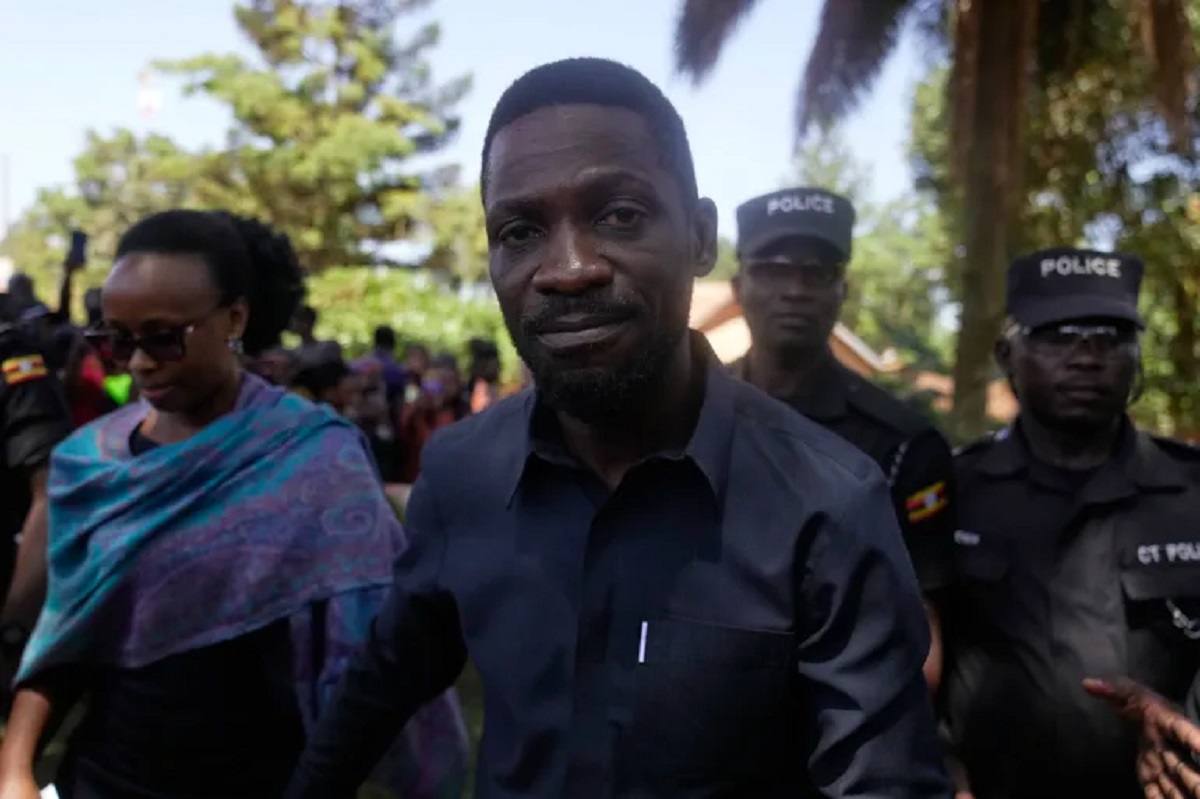
Uganda’s leading opposition figure Bobi Wine was reportedly seized from his home and taken to an unknown location in an army helicopter, according to his political party, a day after the country’s tense presidential election. The incident unfolded amid an ongoing internet blackout, limiting independent verification and fueling concern among supporters and observers. Wine had challenged long-serving PresidentYoweri Museveni in a vote already criticized by international bodies for intimidation and repression. The development has raised fresh questions about political freedoms and transparency in the East African nation.
Key Highlights
National Unity Platform says Bobi Wine was forcibly removed from his home
Incident reported one day after Uganda’s presidential election
Internet shutdown complicates confirmation of Wine’s whereabouts
Authorities have not issued an official statement
Election results show President Museveni leading decisively
What Happened: Timeline and Facts
On Friday, the National Unity Platform (NUP) announced via social media that Bobi Wine, whose real name is Robert Kyagulanyi, had been taken from his residence by individuals believed to be military personnel. According to party officials, witnesses saw security agents jump over the fence of Wine’s home before an army helicopter departed the area.
Reporting from Kampala early Saturday, Al Jazeera correspondent Catherine Soi noted that the nationwide internet shutdown has made it extremely difficult to confirm Wine’s location or condition. A senior NUP official told reporters, “We know armed men entered the compound, but we cannot confirm where he has been taken.”
Ugandan military and police authorities could not be reached for comment at the time of publication.
Election Fallout and Official Silence
The incident occurred just hours after preliminary election results showed President Yoweri Museveni, 81, leading with 73.7 percent of the vote compared to Wine’s 22.7 percent, with about 81 percent of ballots counted, according to the Electoral Commission of Uganda. Final results were expected by Saturday afternoon in Kampala.
Wine had earlier alleged “massive ballot stuffing” in several regions and urged citizens to reject what he described as a “criminal regime.” His statements followed a campaign period marked by arrests of opposition supporters and repeated disruptions of rallies.
A political analyst based in East Africa told Star Struck Times that “detentions or disappearances of opposition leaders immediately after voting undermine public confidence and can trigger wider instability.”
Public Reaction and International Concern
Supporters of Wine expressed alarm and frustration, with one Kampala-based youth activist saying, “We voted peacefully, and now our candidate is gone without explanation.” Another opposition supporter described the situation as “a return to fear politics.”
The United Nations had earlier stated that Uganda’s election environment was characterized by “widespread repression and intimidation.” Media analysts believe the reported removal of Wine, if confirmed, could intensify international scrutiny and diplomatic pressure on Kampala.
Meanwhile, Reuters and AFP reported violent clashes in Butambala, southwest of Kampala, where at least seven people were killed overnight. Conflicting accounts from police and opposition figures highlight the volatile post-election atmosphere.
Why This Matters for Uganda
Uganda has been ruled by Museveni for nearly four decades, making political transitions highly sensitive. The treatment of opposition leaders is widely viewed as a key indicator of democratic health in the country.
Events like these can:
Affect Uganda’s relations with international partners
Influence future electoral reforms
Shape public trust in state institutions
Observers warn that continued uncertainty around opposition figures could deepen political polarization.
Context: A Pattern of Tension
This is not the first time Bobi Wine has reported detention or restrictions on his movement. During the campaign, he and several party members were repeatedly arrested or blocked from traveling. Similar post-election crackdowns have followed previous Ugandan elections, drawing criticism from rights groups such as Human Rights Watch.
What Happens Next
Attention now turns to whether Ugandan authorities will clarify Wine’s status and location. International observers are expected to issue further statements once final results are announced. Any prolonged detention without explanation could escalate domestic protests and international response.
FAQs
Q1: Who is Bobi Wine? Bobi Wine, born Robert Kyagulanyi, is a Ugandan musician-turned-politician and leader of the National Unity Platform. He emerged as a major opposition figure by mobilizing young voters and challenging President Museveni’s long rule.
Q2: Has the government confirmed his detention? As of now, Ugandan authorities have not issued an official statement confirming or denying Wine’s removal or whereabouts.
Q3: Why was the internet shut down? The government imposed an internet blackout citing security concerns. Critics say such shutdowns limit transparency and restrict access to real-time information during elections.
Q4: Were there violent incidents after the election? Yes. Reports indicate multiple fatalities in post-election violence, particularly in Butambala, though accounts differ between police and opposition officials.
Sources
Al Jazeera
Reuters
AFP
United Nations
Stay with Star Struck Times for verified updates as Uganda’s post-election situation continues to develop.
Hello! I'm M Muzamil Shami, the founder and lead editor of Star Struck Times, your trusted source for trending news, entertainment scoops, celebrity gossip, sports highlights, and global headlines.
With a passion for storytelling and journalism, I created this platform to bring you breaking news, viral moments, and deep insights into the worlds of Bollywood, Hollywood, sports, politics, tech, and more — all in one place.