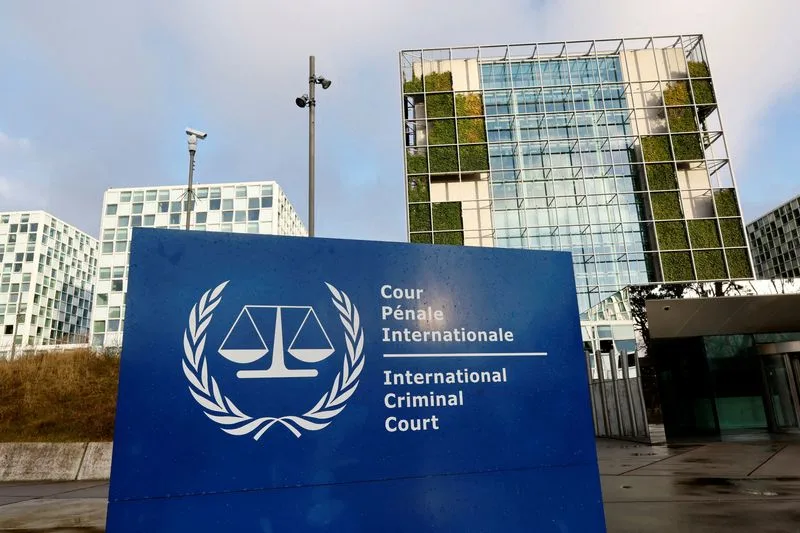
- U.S. imposes sanctions on four more ICC officials: two judges and two prosecutors.
- Naming: Judge Nicolas Yann Guillou (France), Judge Kimberly Prost (Canada), Prosecutor Nazhat Shameem Khan (Fiji), Prosecutor Mame Mandiaye Niang (Senegal).
- Asset freezes and U.S. financial system restrictions applied.
- The move escalates an ongoing campaign that began in February 2025 under Executive Order 14203.
- Strong condemnation from the ICC, United Nations, and European allies; Israel praises the decision.
U.S. Expands ICC Sanctions: Judges & Prosecutors Targeted in Shock Move
In a dramatic escalation of tensions, the United States expanded sanctions on the International Criminal Court (ICC)—a move met with shock, outrage, and fierce debate over judicial independence and national sovereignty.
Sanctions Across Borders
On August 20, 2025, Secretary of State Marco Rubio announced sanctions against two judges—Nicolas Yann Guillou (France) and Kimberly Prost (Canada)—and two deputy prosecutors—Nazhat Shameem Khan (Fiji) and Mame Mandiaye Niang (Senegal)—for their roles in ICC investigations targeting U.S. service members and Israeli officials. These include probes related to alleged war crimes in Gaza and Afghanistan. The sanctions implement asset freezes and bar these individuals from engaging with the U.S. financial system.
A Continuation of Pressure on the ICC
This move is the second wave of legal and financial penalties imposed under Executive Order 14203, signed by former President Trump in February 2025. That order initially targeted ICC officials involved in investigations of U.S. and Israeli figures, including issuing arrest warrants for Israeli Prime Minister Benjamin Netanyahu and Defense Minister Yoav Gallant.

Global Reactions: Condemnation vs. Support
- ICC denounced the sanctions as a “flagrant attack against the independence of an impartial judicial institution,” warning it undermines the international rule of law.
- United Nations voiced concern, affirming its support for the ICC’s role in global justice.
- France expressed “dismay,” citing the sanctions as contrary to judicial independence principles.
- Israel applauded the move as a defense against what it calls politically motivated accusations, praising the defense of “truth and justice.”
Mounting Tensions with Wider Impacts
The sanctions threaten to disrupt ongoing ICC investigations, particularly into war crimes tied to Gaza and potentially Afghanistan. Critics argue that such actions risk politicizing justice systems and emboldening impunity. Supporters claim they protect national sovereignty and shield U.S. allies from what they label “lawfare.”
FAQ
- What prompted this latest round of U.S. ICC sanctions?
Sanctions were issued in response to ICC actions including arrest warrants for Israeli leaders and ongoing investigations of U.S. personnel — viewed by the U.S. as illegitimate encroachments on sovereignty. - Who are the officials targeted?
- Judge Nicolas Yann Guillou (France)
- Judge Kimberly Prost (Canada)
- Deputy Prosecutor Nazhat Shameem Khan (Fiji)
- Deputy Prosecutor Mame Mandiaye Niang (Senegal)
- What are the consequences for those sanctioned?
They face frozen U.S. assets and are barred from accessing the U.S. financial system. U.S. individuals and businesses are also prohibited from interacting with them. - How has the international community responded?
The ICC, UN, and some allies have strongly condemned the sanctions, citing threats to judicial independence. Israel supports the measures, defending its national integrity.
What do you think—are these U.S. sanctions a necessary guardrail for sovereignty or an alarming assault on international justice? Comment below to join the global conversation.