CARACAS, Venezuela — Star Struck Times
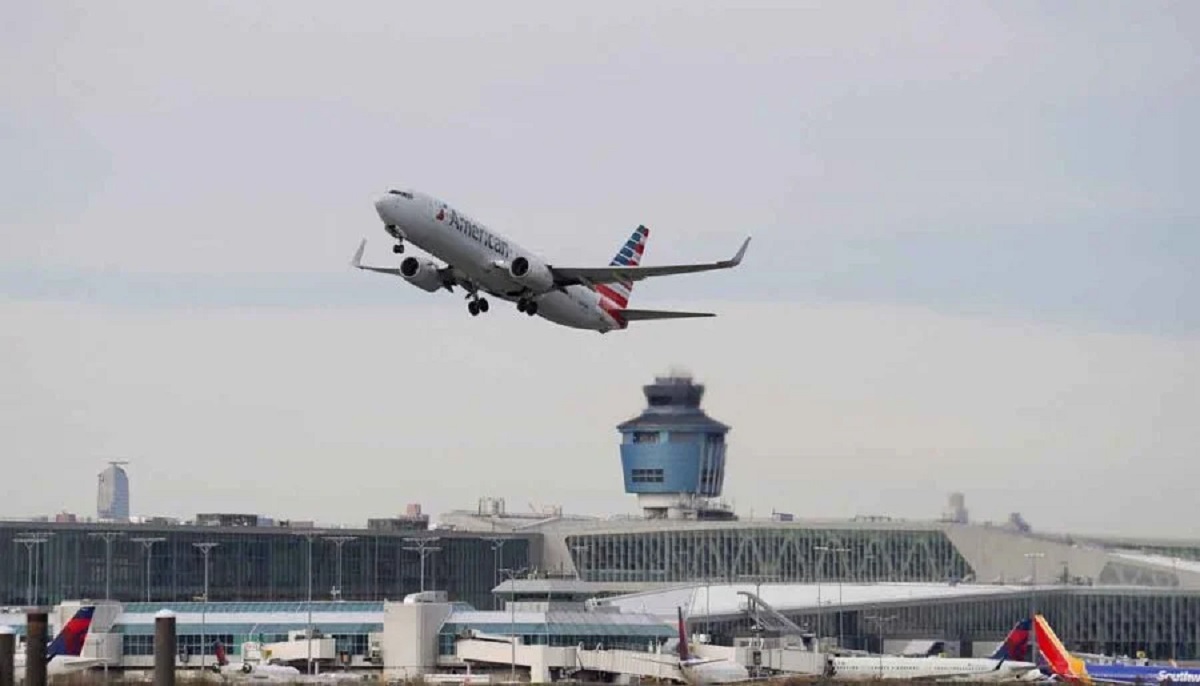
In a dramatic escalation of U.S.–Venezuela tensions on January 3, 2026, U.S. forces launched a large‑scale military strike on Venezuela, resulting in the reported capture and removal of President Nicolás Maduro and significant disruption to commercial air travel across the Caribbean. The Federal Aviation Administration (FAA) imposed emergency airspace restrictions due to safety concerns amid ongoing military activity, forcing airlines to cancel hundreds of flights and reroute international routes. This sudden upheaval affected travelers across Puerto Rico, Aruba, the Virgin Islands and other Caribbean destinations, highlighting the widespread consequences of geopolitical conflict on civilian travel and safety. Reuters
Key Highlights
- U.S. military operation in Venezuela led to the capture of President Nicolás Maduro. Al Jazeera
- FAA imposed airspace restrictions over Venezuelan and Caribbean airspace due to safety risks.
- Hundreds of flights canceled by major airlines including JetBlue, American and Delta.
- International criticism including Brazil and China expressed strong objections.
- The disruption occurred during a peak holiday travel period, compounding impact on civilians.
What Happened: The Strike and Its Execution
Early on January 3, 2026, U.S. forces carried out coordinated strikes on strategic targets in and around Caracas, Venezuela’s capital, as part of an operation described by U.S. leadership as “large‑scale.” Explosions were reported near major military installations and aviation facilities, including the La Carlota airbase, as well as other sites within the Caracas metropolitan area. Within hours, officials announced that President Maduro and his wife had been captured and removed from Venezuela.

The FAA, citing ongoing military activity and potential threats to civilian aviation, restricted flight operations across Venezuelan and Caribbean airspace, prompting airlines to cancel and reroute numerous flights. JetBlue alone reported more than 200 cancellations, with other carriers following suit.
One traveler stranded in San Juan, Puerto Rico, described the chaos: “We landed for a cruise and suddenly all flights were canceled,” reflecting the personal disruption faced by civilians.
Public Reaction and Official Responses
International reaction to the U.S. operation was swift and polarized.
Brazilian President Luiz Inácio Lula da Silva condemned the strikes as an “unacceptable line crossed,” urging the United Nations to respond to what he termed a violation of Venezuelan sovereignty.
China’s foreign ministry also denounced the U.S. military action, framing it as a serious breach of international law and warning citizens against travel to the region.
Meanwhile, U.S. authorities defended the action as targeting narco‑terrorism and destabilizing elements within Venezuela, though many international law experts have questioned the legality under the UN Charter. Analysts warn this could set a global precedent for unilateral military intervention.
Why It Matters: Travel, Geopolitics, and Regional Stability
The sudden closure of airspace and ensuing flight cancellations have had immediate implications for civil aviation and travel safety. Airlines scrambled to provide accommodations, refunds and rebookings, while passengers faced extended delays. The FAA stressed that restrictions would remain until militarized zones were deemed safe for flight operations.

This event also marks one of the most significant U.S. military actions in Latin America in decades, with ramifications for diplomatic relations, regional alliances and global perceptions of U.S. foreign policy.
Aviation expert Maria Santos noted: “Commercial travel is often the first casualty in geopolitical conflict, but ensuring passenger safety is paramount.”
Context: A History of Rising Tensions
Tensions between the U.S. and Venezuela have been escalating throughout 2025, including increased military activity in the Caribbean, repeated warnings from aviation authorities about safety in Venezuelan airspace, and prior interdictions of suspected narco‑trafficking vessels.
Despite these warnings and actions, the scale of the January 2026 strike and the reported capture of Maduro represent a dramatic escalation that has surprised governments, analysts and civilians alike.
What Happens Next
Airlines and aviation regulators are monitoring military developments closely. Flight operations may remain disrupted for days or weeks as safety assessments continue. Diplomatic responses, including potential discussions at the United Nations, are expected in the coming days.
FAQs
Q: Were commercial flights over Venezuela fully banned?
A: The FAA issued emergency restrictions affecting U.S. and some international flights in Venezuelan and Caribbean airspace due to safety concerns amid active military operations.
Q: Is Maduro in U.S. custody?
A: U.S. officials announced that President Nicolás Maduro and his wife were captured and removed from Venezuela during the strike.
Q: Why are airlines canceling flights?
A: Airlines canceled flights due to airspace closures and safety advisories from aviation authorities.
Q: What countries have reacted?
A: Brazil and China have publicly condemned the U.S. actions, while other nations call for de‑escalation.
Stay updated with our continuing coverage of the U.S.–Venezuela situation and its impact on global travel and geopolitics at Star Struck Times.
Sources / Further Reading
© 2025 Star Struck Times. All rights reserved.