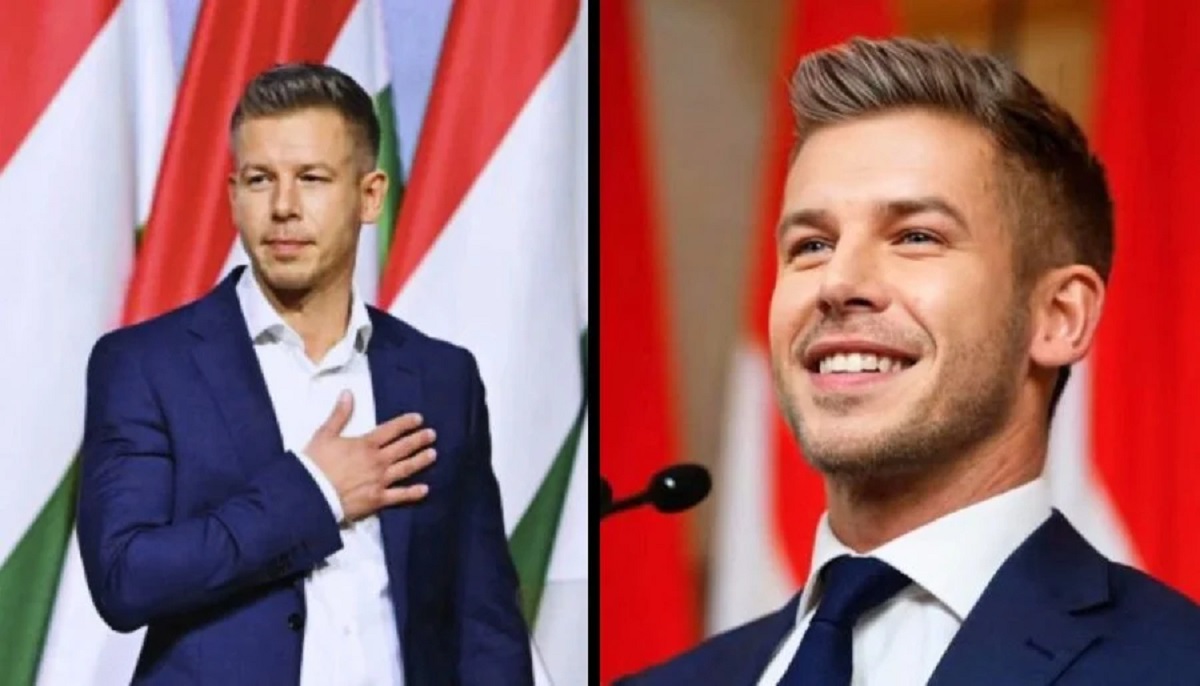
Budapest, Hungary — April 14, 2026, 10:00 AM — Star Struck Times
Hungary’s political landscape has undergone a historic transformation after Peter Magyar secured a landslide victory in the April 12, 2026 parliamentary elections, ending Viktor Orbán’s 16-year rule. The center-right Tisza Party’s decisive win, backed by a record voter turnout of nearly 78%, signals a major shift in the country’s direction. With promises to revive the economy and rebuild ties with the European Union, Magyar’s rise marks one of the most dramatic political turnarounds in modern European politics.
Explore more global updates in our World News section.

Key Highlights
- Peter Magyar’s Tisza Party won over two-thirds majority in parliament
- Viktor Orbán conceded defeat after 16 years in power
- Election held on April 12, 2026, with record 78% voter turnout
- Tisza secured around 53.6% vote share and 138 seats
- Hungary signals a shift toward pro-European policies
- Economic recovery and EU relations top Magyar’s agenda
A Political Earthquake: What Happened in Hungary?
The 2026 Hungarian parliamentary elections delivered a result few analysts predicted just a year ago. Peter Magyar, a former insider of Orbán’s ruling party, led the Tisza Party to a commanding victory, capturing roughly 138 out of 199 seats.
This outcome effectively dismantles the long-standing dominance of Orbán’s Fidesz party, which managed only about 55 seats with 37.8% of the vote. The election results were confirmed after votes from 98% of precincts were counted.
Speaking to thousands gathered along the Danube River in Budapest, Magyar declared:
“Tonight, truth prevailed over lies.”
Meanwhile, Orbán acknowledged defeat in a televised speech, calling the results “painful but clear.”
According to reporting from BBC, Al Jazeera, and The Guardian, this election marks one of Europe’s most significant political shifts in recent years.
Who Is Peter Magyar? From Insider to Reform Leader
Peter Magyar, 45, was born in Budapest in March 1981 into a family deeply rooted in law and politics. A graduate of Pázmány Péter Catholic University, he began his career in corporate law before transitioning into politics.
Interestingly, Magyar was once a loyal member of Orbán’s Fidesz party. He even worked within Hungary’s Ministry of Foreign Affairs and later represented the country in Brussels at the European Union.

His early admiration for Orbán dates back to Hungary’s pro-democracy protests in 1989. However, a political fallout in 2024 pushed Magyar to break ranks.
That turning point led him to join the Tisza Party, where he quickly emerged as a reformist voice, advocating transparency, economic revival, and stronger EU ties.
Public Reaction: A Nation Divided but Hopeful
The election result has sparked strong reactions both domestically and internationally.
Supporters celebrated what they see as a return to democratic norms and European alignment. One Budapest voter told The Guardian:
“This is the change we’ve been waiting for. Hungary deserves a fresh start.”
However, Orbán loyalists remain skeptical, fearing a loss of national sovereignty and conservative values.
Political analysts suggest that the high voter turnout reflects a growing frustration with economic stagnation and governance concerns.
Dr. Elena Kovács, a European political analyst, noted:
“This wasn’t just an election—it was a referendum on Hungary’s future direction.”
Why This Election Matters Beyond Hungary
Magyar’s victory is not just a national event—it has broader implications for Europe.
For years, Hungary under Orbán pursued what he described as “illiberal democracy,” often clashing with EU institutions over issues like media freedom, judicial independence, and migration policies.
Now, with Magyar at the helm, Hungary is expected to:
- Re-align with European Union policies
- Improve diplomatic relations with Brussels
- Attract foreign investment to boost economic growth
This shift could influence political trends across Central and Eastern Europe, where populist movements have gained traction in recent years.
The Hidden Factor: Why Voters Turned Against Orbán
While Orbán maintained strong support for years, several underlying issues contributed to his downfall:
- Economic stagnation since 2022
- Rising inflation and cost-of-living concerns
- Growing dissatisfaction among younger voters
- Allegations of political centralization
Magyar capitalized on these concerns by positioning himself as both an insider who understood the system and a reformer ready to change it.
This dual identity proved to be a powerful campaign strategy—something many global analysts now view as a blueprint for defeating entrenched political systems.
Watch: Hungary Election 2026 Results Explained
To better understand how Peter Magyar secured a historic victory and what it means for Hungary’s future, watch this detailed breakdown of the election results, voter trends, and political impact.
The video above highlights the key turning points of the election, but several deeper political and economic factors also played a crucial role in this historic outcome.
What Happens Next?
Peter Magyar is expected to formally take office as Hungary’s Prime Minister in the coming weeks.
Key priorities for his government will include:
- Economic recovery plans
- Strengthening EU partnerships
- Institutional reforms
- Restoring public trust in governance
The transition period will be closely watched, especially by European leaders and financial markets, as Hungary enters a new political era.
FAQs
1. Who is Peter Magyar?
Peter Magyar is Hungary’s newly elected Prime Minister in 2026, leading the center-right Tisza Party.
2. How did Peter Magyar defeat Viktor Orbán?
He won a landslide election with over 53% of the vote and a two-thirds parliamentary majority.
3. What is the Tisza Party?
A center-right political party in Hungary focused on reform, transparency, and EU alignment.
4. Why did Viktor Orbán lose the election?
Economic issues, voter dissatisfaction, and demand for political change contributed to his defeat.
5. What changes can Hungary expect now?
Improved EU relations, economic reforms, and a shift away from “illiberal” policies.
Sources
- BBC News — Hungary Election Coverage
- Al Jazeera — Hungary Political Analysis
- The Guardian — European Politics
- The News International — Election Update