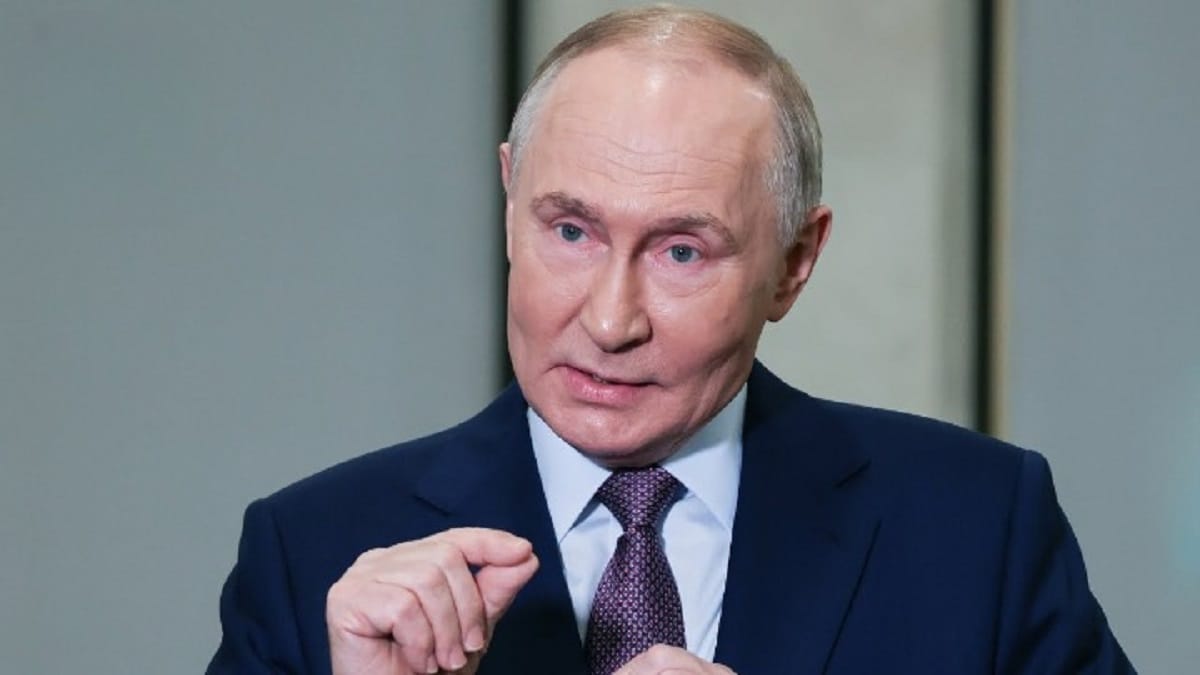
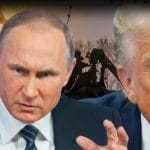
Vladimir Putin addresses reporters in Moscow after the U.S. imposed sanctions on Russia’s oil giants Rosneft and Lukoil amid the Ukraine war.
Moscow (Star Struck Times) — Russia’s President Vladimir Putin on Thursday dismissed sweeping American sanctions targeting the country’s biggest oil producers as a pressure tactic, vowing Russia will keep fighting in Ukraine while warning of global energy disruption.
In a sharp move, the Donald Trump administration on Wednesday imposed sanctions on Rosneft and Lukoil—Russia’s two largest oil companies—with the aim of cutting off critical revenue streams funding Moscow’s war effort. According to industry data, those firms account for more than 5 % of global oil output. Russia’s leader responded by branding the sanctions an “unfriendly act” that he claimed would not fundamentally harm the Russian economy. He told reporters: “No self-respecting country and no self-respecting people ever decide anything under pressure.”
The sanctions come amid signs that Asia’s major buyers of Russian oil are already starting to pull back. China’s state-controlled oil majors have suspended short-term Russian oil purchases, and refiners in India—Russia’s largest seaborne oil customer—are preparing sharp import cuts. Oil markets reacted swiftly: global crude prices jumped roughly 5 % after the announcement, marking one of the steepest daily rises since the summer.
Reacting to the sanctions, Putin stood firm. He argued that while the measures are “serious for us” and will have “certain consequences,” they will not jeopardize Russia’s economic wellbeing. “This is, of course, an attempt to put pressure on Russia,” Putin said, according to Russian media. “But no self-respecting country ever does anything under pressure.” He added that any major disruption to Russia’s oil supply could raise global energy prices and hurt the United States and its allies.
From Washington, the White House signalled this is the beginning of a broader strategy to choke off Russia’s war financing. President Trump cancelled a planned summit with Putin in Budapest, saying it “didn’t feel right”, signalling a shift away from direct diplomacy toward economic coercion.
In Moscow, Kremlin officials framed the sanctions response as predictable but manageable. Experts say the immediate effect on Russian state finances may be limited because most government revenue comes from domestic taxation rather than direct exports—and because Russia has increasingly pivoted toward non-Western buyers. Still, analysts warn that secondary effects—such as reduced willingness among Asian refiners to deal with Russia for fear of falling foul of U.S. sanctions—could compound over time. “If Asian customers begin to steer clear, that will force longer shipping chains and higher costs for Russian producers,” one observer told The Guardian.
From Kyiv’s side, Volodymyr Zelenskyy welcomed the sanctions but urged even tougher measures. He said the move was “very important” yet insufficient to force Russia to the negotiating table. “More pressure is needed on Moscow to get it to agree to a ceasefire,” he told reporters after meeting with EU leaders in Brussels.
Energy markets remain watchful. With Russia warning it could mount a “very strong, if not overwhelming” response to strikes deep within its territory, and Western allies debating whether to use frozen Russian assets to fund Ukraine’s defence, risk premiums on crude are rising. For consumers worldwide, the sanctions raise concern about oil price hikes just as inflation and energy costs were beginning to ease.
The bottom line: while President Putin keeps a defiant front and insists Russia can withstand the sanctions, the move signals a significant escalation of Western economic pressure on Moscow—one that could reshape global oil trade flows and complicate the Kremlin’s long-term war financing strategy.
FAQs
Q: What exactly were the sanctions about? A: The U.S. targeted Russia’s two largest oil companies, Rosneft and Lukoil, cutting them off from the U.S. banking system and threatening global-access for their transactions. As Reuters noted, these firms “together account for more than 5 % of global oil output.” Q: Will these sanctions stop Russia’s invasion of Ukraine? A: Not immediately. Putin himself said the sanctions will not significantly impact Russia’s economy in the near term. Analysts say the full impact will depend on enforcement, Asia’s willingness to reduce Russian oil imports, and any secondary sanctions. Q: How might global oil markets react? A: Already, crude prices have jumped ~5% as supply concerns mount. If Russia cuts output or Asian buyers further reduce purchases, global supply tightness could push prices higher still. Q: What happens next? A: Watch for further Western measures (including from the EU) and how oil importers like India and China respond. Also, whether Russia retaliates and how that affects global trade, energy security and the course of the Ukraine war.
Stay tuned for updates as the story evolves! Comment your thoughts below! Follow Star Struck Times – Your Source for Bollywood, Hollywood & SportsNews for fresh, trending global developments.
Hello! I'm M Muzamil Shami, the founder and lead editor of Star Struck Times, your trusted source for trending news, entertainment scoops, celebrity gossip, sports highlights, and global headlines.
With a passion for storytelling and journalism, I created this platform to bring you breaking news, viral moments, and deep insights into the worlds of Bollywood, Hollywood, sports, politics, tech, and more — all in one place.







order thc edibles for anxiety and stress relief