Introduction
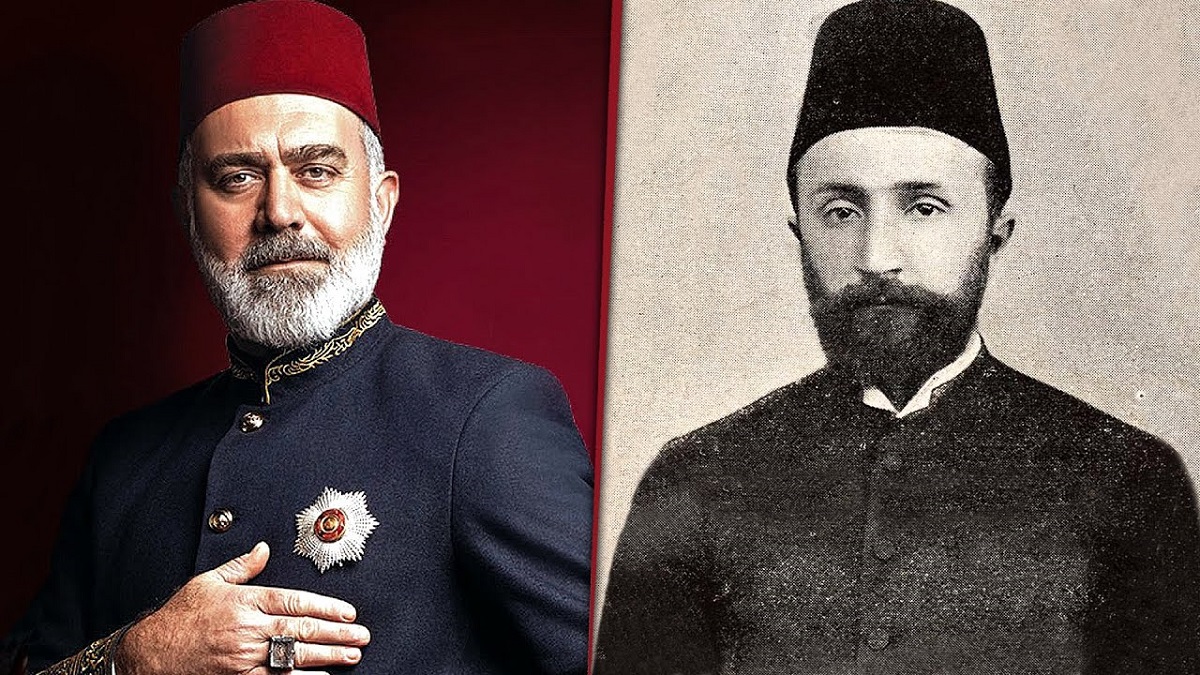
Tahsin Pasha, known in Ottoman records as Hasan Tahsin Pasha, was one of the most influential and trusted administrative figures in the late Ottoman Empire. Serving as the chief secretary (Başkâtip) to Sultan Abdul Hamid II for more than a decade, he occupied a position of extraordinary importance inside the imperial palace of Yıldız.
While he was not a ruler or military commander, his role placed him at the very center of Ottoman power. He witnessed key political decisions, diplomatic crises, palace intrigues, and the final years of one of the most controversial sultans in Islamic history.
Today, Tahsin Pasha is remembered not only as an Ottoman bureaucrat but also as a historical eyewitness to the inner workings of Sultan Abdul Hamid II’s government.

Early Life and Background
Historical records about Tahsin Pasha’s early life are limited compared to high-ranking Ottoman statesmen. He was born in the 19th century within the Ottoman Empire and rose through the bureaucratic system, which was common for talented administrators of his time.
Like many Ottoman officials, he likely received training in:
- Ottoman administration
- Arabic and Turkish language skills
- Court etiquette and protocol
- Bureaucratic documentation and correspondence
His intelligence, discipline, and loyalty helped him rise through the ranks of the imperial administration.
Rise in the Ottoman Bureaucracy
Tahsin Pasha’s career advancement took place during a period when the Ottoman Empire was undergoing rapid modernization and internal reform.
By the time he entered palace service, the empire was facing:
- European political pressure
- Financial instability
- Nationalist uprisings
- Administrative restructuring
Despite this instability, Tahsin Pasha distinguished himself as a reliable and highly organized bureaucrat.
His skills in communication, documentation, and confidentiality made him suitable for high-level palace work.

Appointment as Chief Secretary to Sultan Abdul Hamid II
Tahsin Pasha reached the peak of his career when he was appointed Chief Secretary (Başkâtip) to Sultan Abdul Hamid II.
This position was extremely powerful because it involved:
- Managing all written communication of the Sultan
- Controlling access to imperial correspondence
- Filtering diplomatic messages
- Organizing state documents and decrees
- Coordinating between the Sultan and government officials
In practice, the Chief Secretary was one of the most trusted men in the Ottoman palace.
Tahsin Pasha’s appointment placed him inside the inner circle of Yıldız Palace, where few officials were allowed full access.
Life Inside Yıldız Palace
Yıldız Palace was not just a royal residence; it was the political heart of the Ottoman Empire during Abdul Hamid II’s reign.
Tahsin Pasha worked directly within this highly controlled environment, where:
- State secrets were tightly guarded
- Foreign intelligence threats were a constant concern
- Political decisions were centralized
- The Sultan personally reviewed critical matters
Tahsin Pasha’s duties required absolute loyalty and discretion.
He became one of the few individuals who had direct, daily access to Sultan Abdul Hamid II.
Relationship with Sultan Abdul Hamid II
Tahsin Pasha’s relationship with the Sultan was based on:
- Trust
- Professional loyalty
- Administrative dependence
- Constant communication
Sultan Abdul Hamid II was known for being cautious and highly security-conscious. Because of this, he relied heavily on trusted aides like Tahsin Pasha to filter information.
Tahsin Pasha was responsible for ensuring that:
- Only verified information reached the Sultan
- Sensitive political matters remained confidential
- Internal and external correspondence was properly managed
This made him a key figure in the functioning of the imperial administration.
Witness to a Declining Empire
During Tahsin Pasha’s service, the Ottoman Empire was facing one of the most difficult periods in its history.
He witnessed:
- The Russo-Turkish War aftermath
- Balkan political instability
- Rise of nationalist movements
- European diplomatic pressure
- Internal opposition movements
As chief secretary, he was not only observing history but actively participating in administrative responses to these crises.
The Young Turk Revolution and Fall of Abdul Hamid II
One of the most dramatic events Tahsin Pasha witnessed was the Young Turk Revolution (1908) and the eventual deposition of Sultan Abdul Hamid II in 1909.
The political movement led to:
- Restoration of the constitution
- Increased parliamentary power
- Growing opposition to palace authority
Eventually, Abdul Hamid II was removed from the throne.
Tahsin Pasha, as a close palace official, experienced this transition at its most intense level.
Memoirs and Historical Importance
One of the most valuable contributions associated with Tahsin Pasha is his memoir literature.
He wrote detailed accounts of:
- Life inside Yıldız Palace
- Administrative structure of the Ottoman court
- Personality and habits of Sultan Abdul Hamid II
- Political atmosphere of the empire
His memoirs are considered important primary sources for historians studying the late Ottoman period.
They provide rare insight into:
- Court secrecy
- Decision-making processes
- Sultan’s private working style
- Internal palace relationships
Because of this, historians frequently reference his writings when analyzing Abdul Hamid II’s reign.
Character and Reputation
Tahsin Pasha is often described by historians as:
- Loyal
- Disciplined
- Quiet and reserved
- Highly professional
- Politically cautious
Unlike many political figures of his era, he did not seek public fame or military glory. His influence came from access, trust, and proximity to power.
Life After the Fall of the Empire
After the decline of the Ottoman imperial system, many palace officials faded into obscurity.
Tahsin Pasha also lived a relatively quiet life after his active service ended.
He remained known primarily through:
- His memoirs
- Historical records
- References in Ottoman archival documents
He passed away in the early 20th century in Istanbul.
Burial and Legacy
Tahsin Pasha was buried in Istanbul, though exact documentation of his gravesite is not widely publicized in international historical sources.
His legacy, however, survives strongly in academic literature.
He is remembered as:
- A key witness to Ottoman political history
- One of the closest officials to Sultan Abdul Hamid II
- A primary source historian for palace life
- A symbol of bureaucratic loyalty in the late empire
Historical Significance
Tahsin Pasha’s importance does not lie in conquest or governance, but in documentation and testimony.
Without figures like him, much of what is known about:
- Sultan Abdul Hamid II’s internal governance
- Yıldız Palace operations
- Late Ottoman political structure
would remain unknown or speculative.
He represents the administrative memory of a collapsing empire.
Conclusion
Tahsin Pasha stands as a crucial but often overlooked figure in Ottoman history. As chief secretary to Sultan Abdul Hamid II, he operated at the heart of imperial power during one of the most turbulent periods in the empire’s existence.
His writings and experiences provide historians with a rare window into the final decades of Ottoman rule. While he may not be as widely recognized as sultans or generals, his role as a trusted insider makes him an essential figure in understanding the political and human dimensions of the late Ottoman Empire.
In many ways, Tahsin Pasha was not just a secretary—he was the silent chronicler of an empire’s final chapter.
FAQs
Who is Tahsin Pasha?
Tahsin Pasha was the chief secretary (Başkâtip) of Ottoman Sultan Abdul Hamid II and one of the most trusted officials inside Yıldız Palace.
What was Tahsin Pasha’s full name?
His full name is commonly recorded as Hasan Tahsin Pasha, an Ottoman palace administrator and memoir writer.
Who was the most famous Ottoman Pasha?
Some of the most famous Ottoman Pashas include Osman Pasha (Gazi Osman Pasha), known for his defense in the Siege of Plevna, and Tahsin Pasha, known for serving Sultan Abdul Hamid II.
Was Tahsin Pasha close to Sultan Abdul Hamid II?
Yes, Tahsin Pasha was one of the closest palace officials and served as the Sultan’s chief secretary, handling confidential state correspondence.
What is Tahsin Pasha known for?
He is best known for his memoirs and for providing rare insider information about the administration of Sultan Abdul Hamid II and Yıldız Palace.