RIYADH/CAIRO — September 25, 2026 — Saudi Arabia, Türkiye and Pakistan are preparing an urgent high-level meeting of their military chiefs to discuss support for Riyadh after a fresh series of Houthi missile and drone attacks, putting the three countries’ newly signed joint-defense arrangement under immediate scrutiny. Saudi Arabia’s Foreign Ministry confirmed the planned talks, according to Reuters.
Key points
- Saudi Arabia, Türkiye and Pakistan will hold urgent chiefs-of-staff talks over support for Riyadh.
- The meeting comes after repeated Houthi missile and drone attacks on Saudi territory.
- The three countries signed the Makkah Joint Defence Agreement in August, committing to collective security.
- Iran has sought to distance itself from the Houthis’ latest actions, while the group remains aligned with Tehran.
- The escalation also threatens key Saudi energy infrastructure and Red Sea shipping routes.
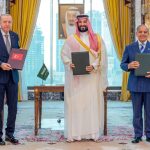
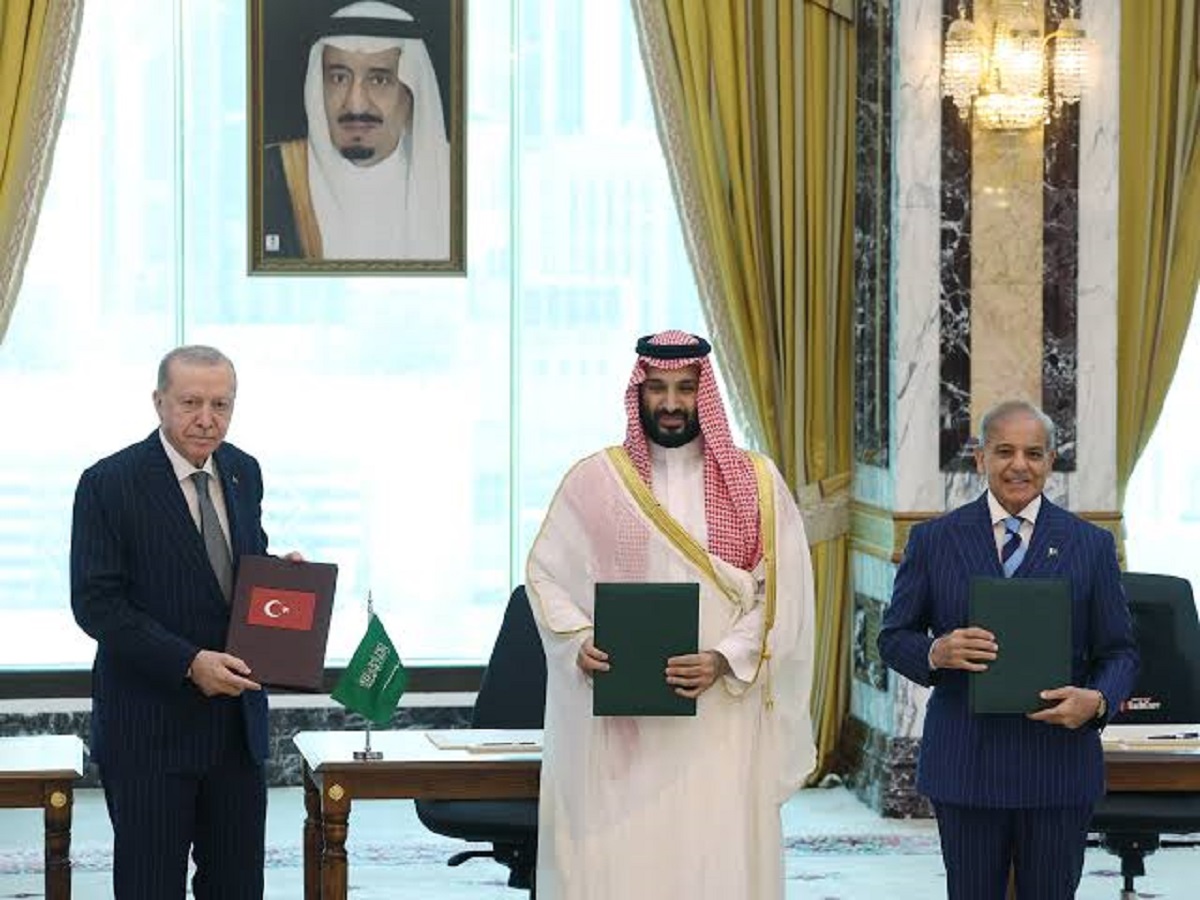
The planned meeting is significant because it is one of the first major tests of the Makkah Joint Defence Agreement, signed by Saudi Crown Prince Mohammed bin Salman, Turkish President Recep Tayyip Erdoğan and Pakistani Prime Minister Shehbaz Sharif on August 7. The agreement says an armed attack against any one of the three states is to be regarded as an attack against all three, while also calling for broader defense cooperation.
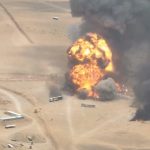
The immediate trigger is the intensifying Houthi campaign. Saudi-led coalition forces said Thursday that they intercepted six ballistic missiles launched toward areas including Taif and Yanbu. The Houthis subsequently claimed attacks against what they described as a sensitive target in Riyadh and Saudi Aramco facilities in Yanbu. Those Houthi claims have not been independently verified.

The latest escalation follows a series of attacks that have expanded the security challenge beyond Saudi Arabia’s traditional southern border areas. On September 19, Saudi authorities said they intercepted a Houthi ballistic missile headed toward Riyadh, while the Houthis also claimed attacks involving Yanbu and other locations.
The strategic concern extends beyond individual attacks. Yanbu is an important alternative outlet for Saudi crude when shipping through the Strait of Hormuz is disrupted, making the area particularly sensitive amid wider regional tensions. Recent fighting has also intensified around Yemen’s western coast and the strategically important Bab al-Mandeb waterway.
Türkiye has already signaled that the new defense framework could have practical consequences. Foreign Minister Hakan Fidan said Saudi Arabia’s military requirements could be assessed with Pakistan under the Makkah agreement, while emphasizing the need to prevent further regional escalation.
The diplomatic picture is more complicated on the Iranian side. Reuters reported that Tehran has sought to distance itself from the Houthis’ rapid advance, even as the group is widely described by international sources as Iran-aligned. The G7 foreign ministers earlier this week also called on Iran to stop arming and supporting the Houthis and urged the group to halt attacks on civilian shipping.
For Saudi Arabia, the upcoming military talks therefore represent more than another diplomatic meeting: they will show how the three-country defense arrangement operates when one of its members faces sustained attacks. The precise military measures that Türkiye and Pakistan may offer have not yet been publicly detailed.