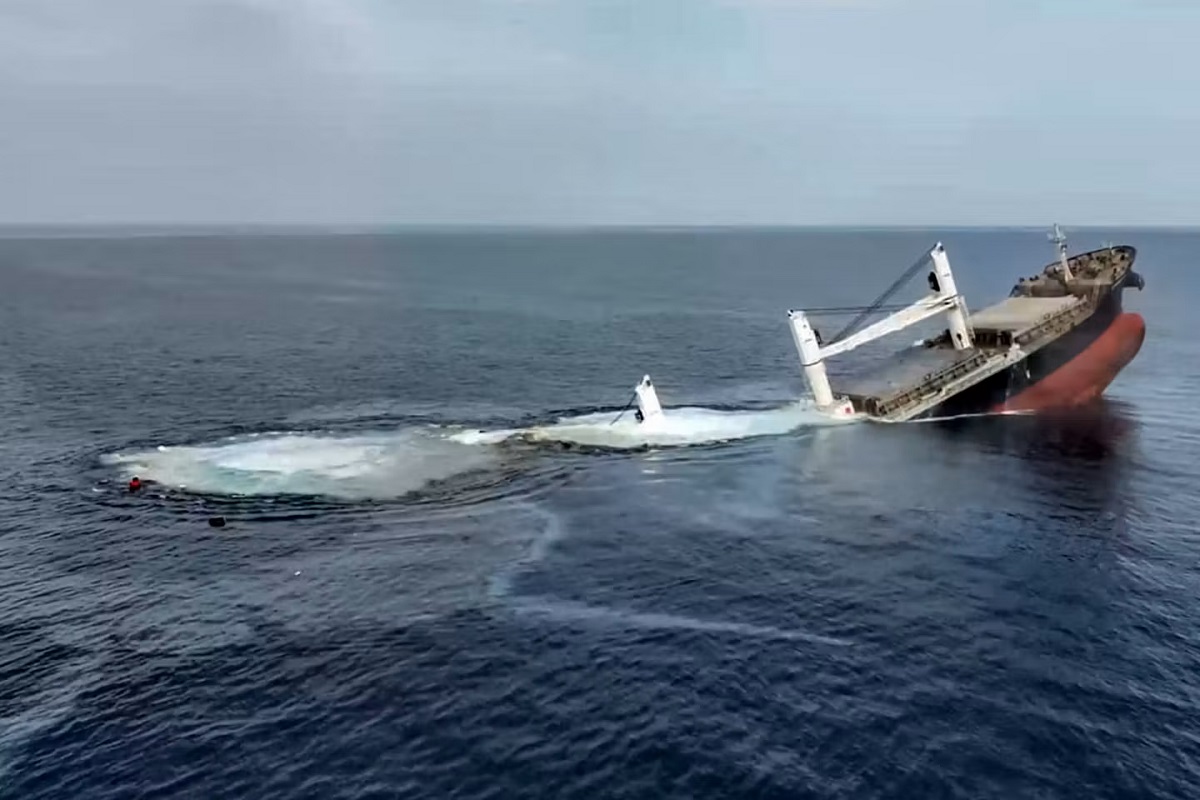
Yemen’s Houthi movement has warned it may enter the ongoing Iran conflict on Tehran’s side, raising fears of renewed attacks on ships in the Red Sea and Bab al-Mandab Strait — two of the world’s most critical maritime chokepoints. The announcement on 26 March 2026 has intensified global concern over energy prices, trade disruptions, and the risk of a broader Middle East war. For more global security updates, readers can explore our World News category.
Key Highlights
Houthis declared readiness to support Iran militarily if the conflict escalates
Bab al-Mandab Strait, a vital global shipping route, could become a new battlefield
Global shipping and oil markets face renewed uncertainty
Analysts warn the conflict may expand into a multi-front regional war
Past Houthi attacks on Red Sea vessels demonstrate the credibility of the threat
What Happened on March 26
On 26 March 2026, the Iran-aligned Houthi movement announced it was prepared to join the war to defend Iran if necessary. The group signaled that it could resume attacks on maritime traffic — a tactic it previously used during earlier regional conflicts.
According to Reuters, Houthi leaders warned that intervention could include operations in the Bab al-Mandab Strait, one of the world’s busiest shipping corridors connecting the Red Sea to the Gulf of Aden.
This chokepoint handles a significant share of global oil shipments and trade between Asia and Europe. Any disruption would force vessels to reroute around Africa, adding weeks to transit times and raising shipping costs.
A senior Houthi official stated that the group is “fully prepared to stand with Iran in the face of aggression,” a signal widely interpreted as a warning to Western-aligned shipping.
Global Reaction and Industry Concerns
Shipping companies and international organizations reacted quickly to the announcement. Logistics giant Maersk said it is already relying on alternative land-bridge routes across the Gulf region to maintain essential supply chains such as food and medical shipments.
Energy analysts warned that even the threat of attacks is enough to push insurance premiums and freight costs higher. “The Red Sea has become a geopolitical pressure valve,” said a regional maritime security analyst, noting that instability in the strait historically leads to spikes in oil prices and shipping delays.
The World Health Organization also flagged growing logistical complications in delivering emergency medical supplies to the region, citing disrupted air and sea routes caused by the expanding conflict.
Why the Bab al-Mandab Strait Matters
The Bab al-Mandab Strait is often overshadowed by the Strait of Hormuz, yet it is equally critical to global trade. Roughly 12–15% of global maritime commerce passes through this narrow corridor each year.
If the Houthis carry out threats to target vessels or impose a blockade, ships would be forced to reroute around the Cape of Good Hope, dramatically increasing transit time and fuel costs. This could:
Raise global oil prices
Slow container deliveries between Asia and Europe
Disrupt food supply chains in import-dependent Middle Eastern countries
A maritime security expert explained, “Closing Bab al-Mandab would effectively split global shipping into two longer routes, creating ripple effects across energy and consumer markets.”
Public and Political Reaction
The announcement triggered concern among governments and traders across Asia, Europe, and the Gulf. On social media, some observers expressed fears of another prolonged Red Sea crisis similar to the disruptions seen in previous years.
One user wrote, “If the Red Sea becomes unsafe again, everything from fuel to groceries will become more expensive overnight.”
At the diplomatic level, Western officials have urged restraint, while Gulf states have reportedly increased naval monitoring of key waterways.
Media analysts believe the statement serves both military and psychological purposes. “Such announcements are often designed to deter adversaries while rallying domestic and regional support,” said a Middle East conflict researcher.
Historical Context: Houthis and Red Sea Attacks
The Houthis have previously demonstrated their capability to disrupt maritime trade. During earlier conflicts, the group launched missile and drone attacks on commercial vessels, prompting several major shipping companies to suspend Red Sea operations temporarily.
These past incidents lend credibility to the current warning and explain why global markets reacted even before any attack has taken place.
The group’s alignment with Iran has deepened over the past decade, making coordinated military escalation a realistic scenario if the regional war intensifies.
Unique Angle: A Two-Chokepoint Crisis
What makes the current situation especially dangerous is the possibility of simultaneous threats to both major oil routes — the Strait of Hormuz and the Bab al-Mandab. This creates what analysts describe as a “dual chokepoint crisis,” a rare scenario that could severely strain global energy and shipping networks.
Such a situation has not occurred in modern history at this scale, making it difficult for governments and companies to prepare fully for the economic consequences.
What Happens Next
The key question now is whether the Houthis will move from rhetoric to action. Military analysts suggest the group may wait for a direct strike on Iranian territory or a major escalation before launching operations.
Naval forces from several countries are expected to increase patrols in the Red Sea in the coming days, while global markets remain on alert for any sign of shipping disruption.
FAQs
Why did the Houthis threaten to join the Iran war?
The group is closely aligned with Iran and has stated it would intervene to support Tehran if the conflict intensifies or Iranian territory comes under sustained attack.
What is the Bab al-Mandab Strait?
It is a narrow waterway between Yemen and Djibouti that connects the Red Sea to the Gulf of Aden and is a vital global shipping route.
How could global trade be affected?
Attacks on ships could force vessels to reroute around Africa, increasing costs and delaying deliveries worldwide.
Have the Houthis attacked ships before?
Yes, the group has previously targeted commercial vessels using drones and missiles during earlier regional conflicts.
Could this escalate into a wider war?
Security analysts warn that Houthi involvement could open a new front in the Middle East conflict, increasing the risk of broader regional escalation.
Stay with Star Struck Times for verified updates as this developing situation unfolds and its impact on global trade and energy markets becomes clearer.
Hello! I'm M Muzamil Shami, the founder and lead editor of Star Struck Times, your trusted source for trending news, entertainment scoops, celebrity gossip, sports highlights, and global headlines.
With a passion for storytelling and journalism, I created this platform to bring you breaking news, viral moments, and deep insights into the worlds of Bollywood, Hollywood, sports, politics, tech, and more — all in one place.