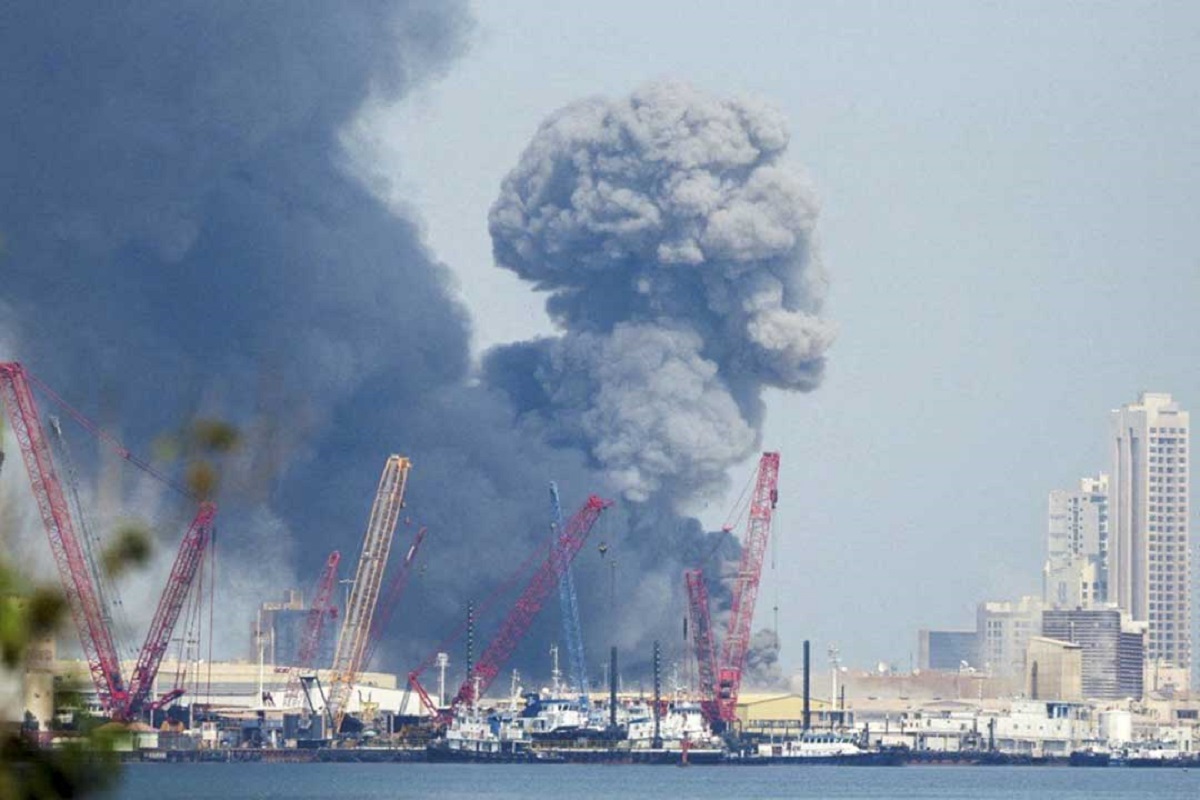
The Middle East war death toll is rising sharply as Israeli airstrikes intensify across Lebanon, killing civilians, journalists, and even UN peacekeepers in a rapidly escalating conflict. The violence, which has spread beyond initial flashpoints, is now triggering global alarm, with leaders warning of a wider regional breakdown. As infrastructure collapses and thousands are displaced, the humanitarian crisis is deepening—raising urgent questions about whether this conflict is nearing a dangerous tipping point.
Explore more global conflict updates in our WorldNews section on Star Struck Times.
Key Highlights
Civilian casualties surge as Israeli strikes hit populated areas in Lebanon
Journalists and UN peacekeepers confirmed among the dead
War expanding beyond borders, increasing regional instability
US political pressure rises following sudden Navy leadership resignation
Escalation on the Ground: What Happened
The latest wave of Israeli airstrikes began earlier this week, targeting multiple locations across southern and central Lebanon. According to local authorities and humanitarian organizations, residential neighborhoods were among the hardest hit, resulting in significant civilian casualties.
Lebanese health officials reported that dozens of civilians, including women and children, were killed within 48 hours. Among the victims were journalists covering the conflict—raising international concerns about press safety in war zones.
In a troubling development, the United Nations confirmed casualties among its peacekeeping personnel stationed in the region. A spokesperson stated that the deaths occurred during active bombardment, despite clearly marked UN positions.
Satellite imagery reviewed by independent analysts shows widespread destruction of housing blocks, indicating a sharp escalation in the intensity and scope of the strikes.
Global Reaction and Political Shockwaves
The international response has been swift but divided. The United Nations has called for an immediate ceasefire, warning that continued escalation could lead to “irreversible regional destabilization.”
Meanwhile, the United States is facing internal political turbulence. The sudden resignation of the US Navy Secretary has fueled speculation about mounting pressure within the administration over its handling of the crisis. Defense analysts suggest this could signal deeper disagreements behind the scenes.
European leaders have also voiced concern. In a joint statement, several heads of state warned that the conflict risks spilling into neighboring countries, potentially destabilizing parts of Europe through refugee flows and economic disruption.
Public reaction has been intense. Social media platforms are flooded with images and testimonies from affected civilians. One Lebanese resident wrote, “We are not soldiers. We are families trying to survive.” Another viral post read, “The world is watching—but who is acting?”
Why This War Matters Now
This conflict is no longer contained. What began as a localized confrontation has evolved into a broader regional crisis with global implications.
From a geopolitical standpoint, the involvement of multiple actors increases the risk of a multi-front war. Energy markets are already reacting, with oil prices showing volatility amid fears of supply disruption.
Humanitarian organizations warn that the scale of displacement could overwhelm regional aid systems. According to preliminary estimates, tens of thousands have already fled their homes, with numbers expected to rise if the violence continues.
An expert in international security noted, “We are witnessing a dangerous convergence of military escalation and political instability. Without immediate diplomatic intervention, this could become one of the defining conflicts of the decade.”
What Other Reports Missed: The Hidden Context
While most coverage focuses on airstrikes and casualties, a deeper issue is emerging—the collapse of civilian infrastructure. Hospitals, schools, and water systems are under strain or completely destroyed in some المناطق.
This creates a secondary crisis: even survivors face life-threatening conditions due to lack of medical care, clean water, and shelter.
Additionally, the deaths of journalists highlight a growing risk to independent reporting, potentially limiting the world’s visibility into the true scale of the crisis.
The resignation of a key US military figure adds another layer, suggesting that strategic disagreements at the highest levels could influence how the conflict unfolds next.
What Happens Next
The coming days are critical. Diplomatic channels are active but fragile, with ceasefire negotiations facing significant hurdles. If strikes continue at the current pace, analysts warn the conflict could expand further, drawing in additional regional powers.
Humanitarian corridors, if established, may provide temporary relief—but without a broader political resolution, the cycle of violence is likely to persist.
The world now watches closely: will global powers step in decisively, or will the Middle East edge closer to a full-scale regional war?
FAQs
1. Why is the Middle East war escalating now? Recent Israeli strikes in Lebanon and retaliatory tensions have intensified long-standing regional conflicts, triggering a broader escalation.
2. How many civilians have died so far? Exact numbers are still emerging, but reports confirm dozens killed in recent days, with thousands more affected.
3. Were UN peacekeepers really killed? Yes, the United Nations has confirmed casualties among its peacekeeping forces during the strikes.
4. What caused the US Navy Secretary to resign? While no official reason has been confirmed, analysts link it to internal pressure over the handling of the crisis.
5. Could this conflict spread further? Yes, global leaders warn that without intervention, the war could expand into neighboring regions and destabilize wider areas.
Hello! I'm M Muzamil Shami, the founder and lead editor of Star Struck Times, your trusted source for trending news, entertainment scoops, celebrity gossip, sports highlights, and global headlines.
With a passion for storytelling and journalism, I created this platform to bring you breaking news, viral moments, and deep insights into the worlds of Bollywood, Hollywood, sports, politics, tech, and more — all in one place.