Washington D.C., United States, April 7, 2026 — Star Struck Times
The US–Iran nuclear threat crisis has entered a dangerous new phase as Washington denied plans to use nuclear weapons against Iran, even as President Donald Trump issued alarming warnings of catastrophic destruction. With a deadline set for Tehran to comply with US demands on opening the Strait of Hormuz, tensions have escalated rapidly across the Middle East. The situation matters globally—not just for regional stability, but for energy markets, international law, and the risk of a broader conflict spiraling beyond control. (Internal link suggestion: Global Conflict News section)
Key Highlights
- The US denied plans to use nuclear weapons despite escalating rhetoric
- Trump warned a “whole civilisation” could be destroyed
- Iran vowed retaliation targeting US and allied infrastructure
- Military strikes have intensified across Iran and surrounding regions
- Global oil supply routes, especially the Strait of Hormuz, are at risk
What Triggered the Latest US–Iran Crisis?
The current escalation stems from a high-stakes ultimatum issued by President Trump on April 5, 2026, demanding that Iran agree to reopen and secure the Strait of Hormuz—a critical passage responsible for nearly 20% of global oil shipments.

Failure to comply, Trump warned, would result in a “massive onslaught” targeting key Iranian infrastructure, including bridges, railways, and power facilities.
By Tuesday evening, tensions peaked when Trump posted on Truth Social:
“A whole civilisation will die tonight… I don’t want that to happen, but it probably will.”
This statement sent shockwaves through diplomatic circles, raising immediate concerns about the possibility of nuclear escalation, even though the White House officially denied such intentions.
Meanwhile, US Vice President JD Vance added fuel to speculation, stating that the military could use tools “they haven’t decided to use yet,” prompting political backlash and global anxiety.
Mixed Signals From Washington Raise Global Alarm
While the White House attempted to calm fears, internal messaging appeared inconsistent.
- Press Secretary Karoline Leavitt stated: “Only the President knows where things stand.”
- Texas Congressman Joaquin Castro urged immediate clarification, warning that ambiguity around nuclear weapons is “deeply dangerous.”
- A social media account linked to former Vice President Kamala Harris suggested nuclear implications, which the White House dismissed aggressively.
This lack of clarity has become a key concern among analysts.
Expert Insight:
Security analysts warn that strategic ambiguity, while sometimes used as deterrence, can backfire in high-tension scenarios like this—leading to miscalculations and unintended escalation.

Iran’s Defiant Response: “Beyond the Region”
Iran has responded with equally strong rhetoric.
The Islamic Revolutionary Guards Corps (IRGC) issued a statement warning:
“We will deprive America and its allies of the region’s oil and gas for years.”
Iran also hinted that any US attack on civilian infrastructure would trigger retaliation not limited to the Middle East.
President Masoud Pezeshkian claimed that over 14 million Iranians have volunteered to defend the country, signaling national mobilization.
Adding to the tension, Iran recently proposed a 10-point peace plan, which the US acknowledged as a “step forward” but ultimately rejected as insufficient.
Military Escalation: Strikes, Missiles, and Regional Fallout
The situation on the ground has intensified significantly:
- US forces conducted strikes on Kharg Island, Iran’s primary oil export hub
- Israeli forces targeted bridges and railways allegedly used for military logistics
- Iran launched missiles and drones toward Israeli territory
- Gulf nations, including Saudi Arabia and Kuwait, intercepted multiple aerial threats
Kharg Island is particularly strategic—it handles nearly 90% of Iran’s oil exports, making it a high-value target.
This marks the second US strike on the island in less than a month, indicating a deliberate strategy to weaken Iran’s economic lifeline.
Why This Crisis Matters Globally
This isn’t just another regional conflict—it has far-reaching consequences:
Energy Markets at Risk
Any disruption in the Strait of Hormuz could spike global oil prices overnight, affecting economies worldwide.
Legal and Ethical Concerns
Experts argue that targeting civilian infrastructure may violate international humanitarian law, potentially constituting war crimes.
Nuclear Tensions
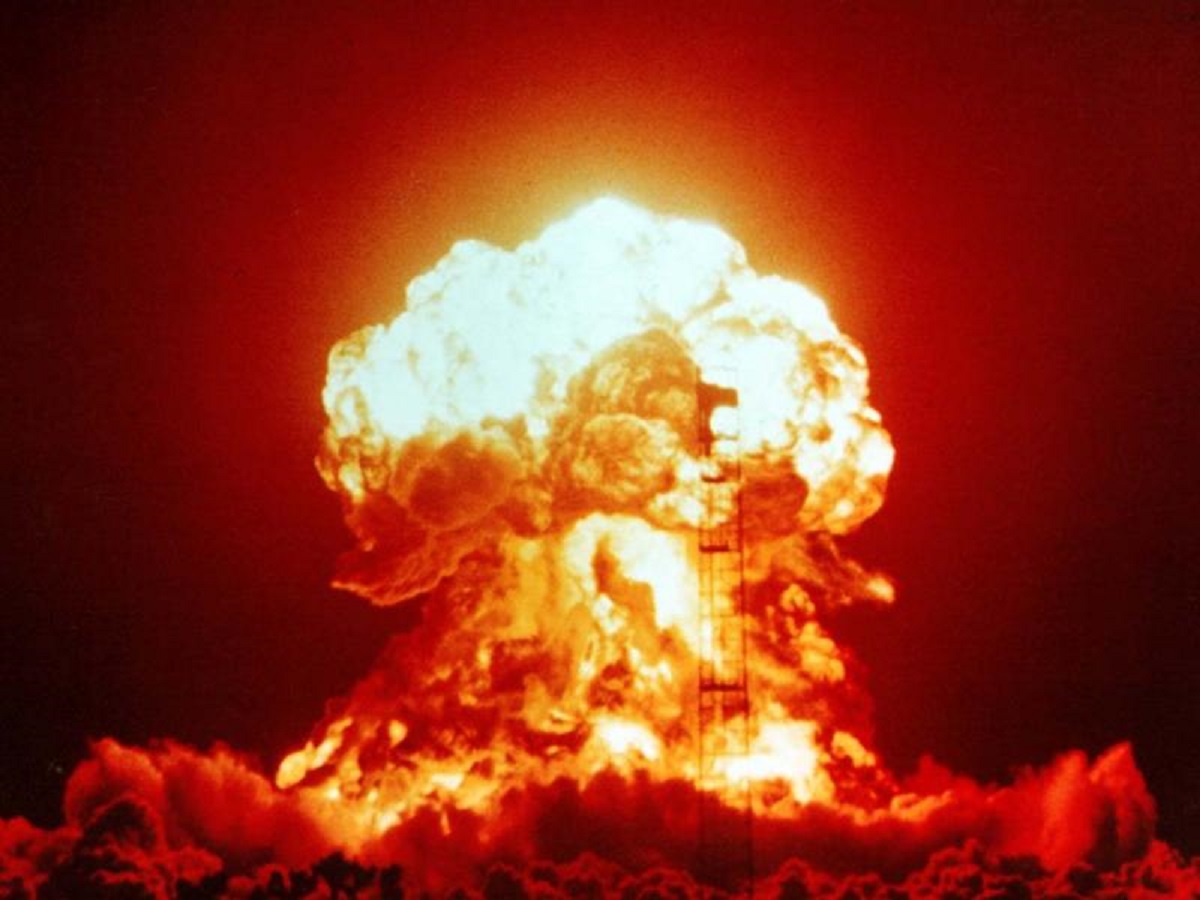
Even without confirmed intent, the mere suggestion of nuclear capability introduces a dangerous new dimension to the conflict.
Geopolitical Balance
This crisis could reshape alliances, especially involving Gulf countries, Israel, and global powers like China and Russia.
Public Reaction: Fear, Anger, and Uncertainty
Public sentiment across social media reflects growing anxiety.
One user wrote:
“This is how world wars start—with words that go too far.”
Another commented:
“Leaders playing with nuclear threats is not strategy—it’s madness.”
The fear is not just about war—but about miscalculation, where a single decision could trigger irreversible consequences.
A Unique Angle: Strategic Messaging as a Weapon
One overlooked aspect of this crisis is the use of language as a strategic tool.
Trump’s apocalyptic phrasing, combined with vague military hints, may be intended to psychologically pressure Iran into compliance without actual escalation.
However, this approach carries risks:
- It may undermine diplomatic credibility
- It can provoke defensive aggression from Iran
- It increases the chance of misinterpretation by allies and adversaries alike
In modern warfare, words can be as powerful—and dangerous—as weapons.
What Happens Next?
As the deadline passes, all eyes are on Washington and Tehran.
Key possibilities include:
- Limited military escalation targeting infrastructure
- Backchannel diplomacy leading to a temporary agreement
- Wider regional conflict involving multiple nations
Diplomatic efforts are reportedly ongoing, but the window for peaceful resolution is narrowing rapidly.
FAQs
1. Is the US planning to use nuclear weapons against Iran?
No official confirmation exists. The White House has denied it, but ambiguity remains.
2. Why is the Strait of Hormuz important?
It handles about 20% of global oil shipments, making it vital for energy supply.
3. What triggered the current crisis?
A US ultimatum demanding Iran open the Strait or face military action.
4. Has fighting already begun?
Yes, limited strikes and retaliatory attacks have occurred across the region.
5. Could this lead to World War III?
While unlikely immediately, escalation risks are high if diplomacy fails.
Sources
- Reuters
- AFP News Agency
- Al Jazeera
- Associated Press