KYIV, Ukraine, May 10, 2026 — Star Struck Times
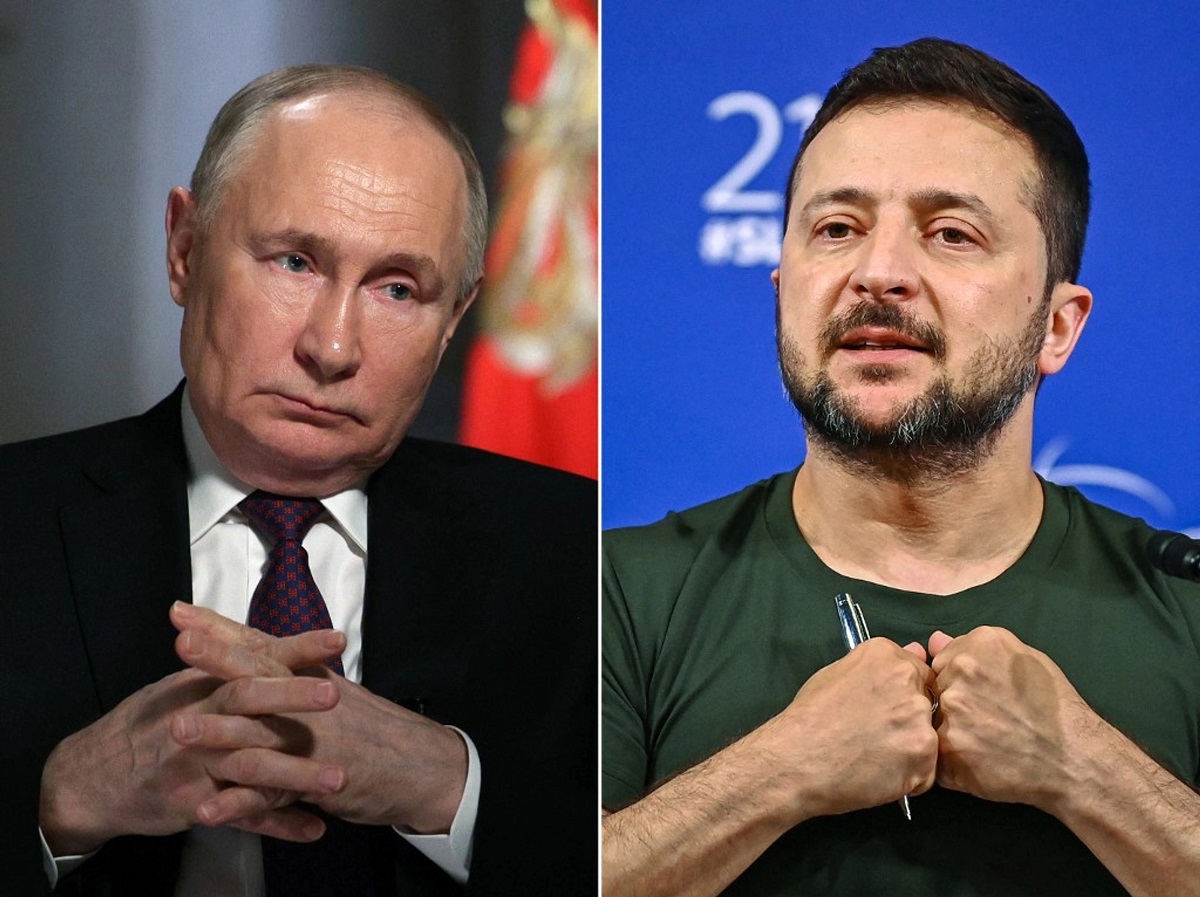
In a significant shift in rhetoric, Russian President Vladimir Putin has publicly stated for the first time that he would be willing to meet Ukrainian President Volodymyr Zelenskyy in a third country — but only after what he called a “lasting” agreement between Moscow and Kyiv is reached. The statement is already fueling intense speculation about whether stalled Russia Ukraine peace talks could finally be entering a new phase.
For months, diplomatic channels between Russia and Ukraine appeared frozen. But Putin’s latest comments have introduced a new variable into the global conversation surrounding the war. Analysts say the timing of the statement could be as important as the words themselves.

Key Highlights
- Vladimir Putin says he is open to meeting Volodymyr Zelenskyy outside Russia for the first time.
- The Kremlin says any summit depends on a “lasting settlement.”
- The comments come amid renewed international pressure for ceasefire negotiations.
- Ukraine has not yet formally accepted the proposal conditions.
- Global leaders are closely watching whether the statement signals real diplomacy or strategic positioning.
What Putin Actually Said About a Zelensky Meeting
During remarks carried by Russian state media, Putin latest statement marked a noticeable departure from earlier Kremlin positions that dismissed direct talks under current conditions.
According to reports from international outlets including Reuters and BBC News, Putin said he would be prepared to meet Zelensky in a neutral country once negotiators reach what he described as a stable and long-term framework.
That detail matters.
Until now, the Kremlin had largely framed direct presidential meetings as premature or unnecessary. Putin’s wording now suggests Moscow may be trying to reintroduce high-level diplomacy into public discussion — even if cautiously.
Political observers note that the mention of a “third country” is especially significant because it removes one of the symbolic obstacles that complicated earlier negotiations.
Why the Timing of Putin’s Statement Is Raising Questions
The statement arrives as battlefield pressure, sanctions fatigue, and international diplomatic efforts continue reshaping the geopolitical landscape around the war.
Several European governments have recently renewed calls for dialogue, while countries including Türkiye, China, and Gulf nations have quietly pushed for backchannel discussions. The renewed attention on Putin Zelensky meeting speculation also comes as military costs continue mounting for both sides.

What many reports overlooked is how carefully calibrated Putin’s language appeared.
Rather than offering immediate talks, the Kremlin framed the possibility as conditional. That allows Moscow to appear diplomatically flexible without committing to concessions upfront.
Security analysts say this could serve multiple strategic goals:
- Testing international reaction
- Shifting media narratives around Russia’s willingness to negotiate
- Increasing pressure on Ukraine before future diplomatic rounds
“This is not necessarily a peace offer,” one Eastern Europe policy analyst told international media. “It’s a strategic signal designed for several audiences at once.”
Ukraine’s Position Remains Unclear
So far, Ukrainian officials have not fully embraced the proposal framing.
President Volodymyr Zelenskyy has repeatedly argued that any negotiation must protect Ukraine’s sovereignty and territorial integrity. Kyiv has also insisted that ceasefire discussions cannot legitimize occupied territory claims.
Still, Ukrainian media and political commentators are closely monitoring the development because even symbolic movement in rhetoric can affect global diplomatic momentum.
Public reaction online has been divided.
Some social media users described the comments as the “closest thing to diplomacy in months,” while others accused the Kremlin of attempting to reshape international opinion without changing realities on the ground.
One widely shared reaction on X stated:
“If Putin is suddenly talking meetings, something behind the scenes may already be moving.”
Another user wrote:
“Peace talk headlines are easy. Actual agreements are the hard part.”
What Other Reports Missed About the Third-Country Angle
Most coverage focused on Putin’s willingness to meet Zelensky. But the “outside Russia” detail may carry deeper diplomatic meaning.
Neutral-host summits historically play a major role in high-conflict negotiations because they reduce symbolic power imbalances. Previous Russia-Ukraine mediation attempts involved locations like Istanbul, Belarus, and Switzerland.
By publicly acknowledging openness to a neutral venue, the Kremlin may be signaling flexibility to international mediators more than directly to Kyiv.
This matters because future peace frameworks will likely require guarantees from multiple international stakeholders — not just Russia and Ukraine themselves.
Diplomatic experts also point out that public messaging around negotiations often intensifies before major geopolitical events or upcoming international summits.
That has fueled speculation that broader diplomatic coordination may already be underway behind closed doors.
Why the World Is Watching Closely
The war in Ukraine continues impacting global energy markets, food supply chains, military alliances, and international security calculations.
Any credible sign of movement in Russia Ukraine peace talks immediately attracts worldwide attention because of the conflict’s enormous geopolitical consequences.
Financial markets also react strongly to diplomatic signals involving Moscow and Kyiv. Even limited optimism surrounding negotiations can influence oil prices, defense stocks, and European economic forecasts.
For global audiences searching for Zelensky news today, the biggest unanswered question remains whether this is merely a rhetorical shift — or the beginning of genuine diplomacy.
What Happens Next
At this stage, no summit date, venue, or negotiation framework has been officially confirmed.
The next major developments to watch include:
- Ukraine’s formal response
- Potential mediator involvement
- New ceasefire proposals
- Signals from NATO and European leaders
- Whether diplomatic contacts intensify publicly or remain behind the scenes
For now, Putin’s statement has altered the tone of the conversation — but whether it changes the trajectory of the war remains uncertain.
FAQs
Is Putin really willing to meet Zelensky?
Yes. Vladimir Putin said he would meet Volodymyr Zelenskyy in a third country after a lasting agreement is reached.
Where could Putin and Zelensky meet?
No location has been confirmed, but neutral countries such as Türkiye or Switzerland are often mentioned in diplomatic discussions.
Why is this statement important?
It marks the first time Putin has publicly supported meeting Zelensky outside Russia.
Has Ukraine accepted the proposal?
Ukraine has not formally accepted the conditions tied to the proposed meeting.
Are Russia Ukraine peace talks officially restarting?
No official restart has been announced, but the comments have increased speculation about renewed diplomacy.