Washington, United States, May 11, 2026 — Star Struck Times
Tensions in the Middle East escalated again after Donald Trump publicly rejected Iran’s latest response to a proposed ceasefire framework, raising fears that oil markets, global diplomacy, and regional stability could face another wave of uncertainty. The comments came as international observers watched fragile ceasefire discussions unfold amid increasing military pressure and volatile energy prices.
For more world crisis coverage, visit Star Struck Times World News

Key Highlights
- Donald Trump called Iran’s response to the peace proposal “unacceptable”
- Global oil prices surged following the remarks
- Analysts warn the ceasefire talks could collapse completely
- Diplomatic pressure is growing from European and Gulf nations
- Financial markets are reacting to fears of broader regional instability
- Security experts say the next 72 hours could be critical
What Happened Between Trump and Iran?
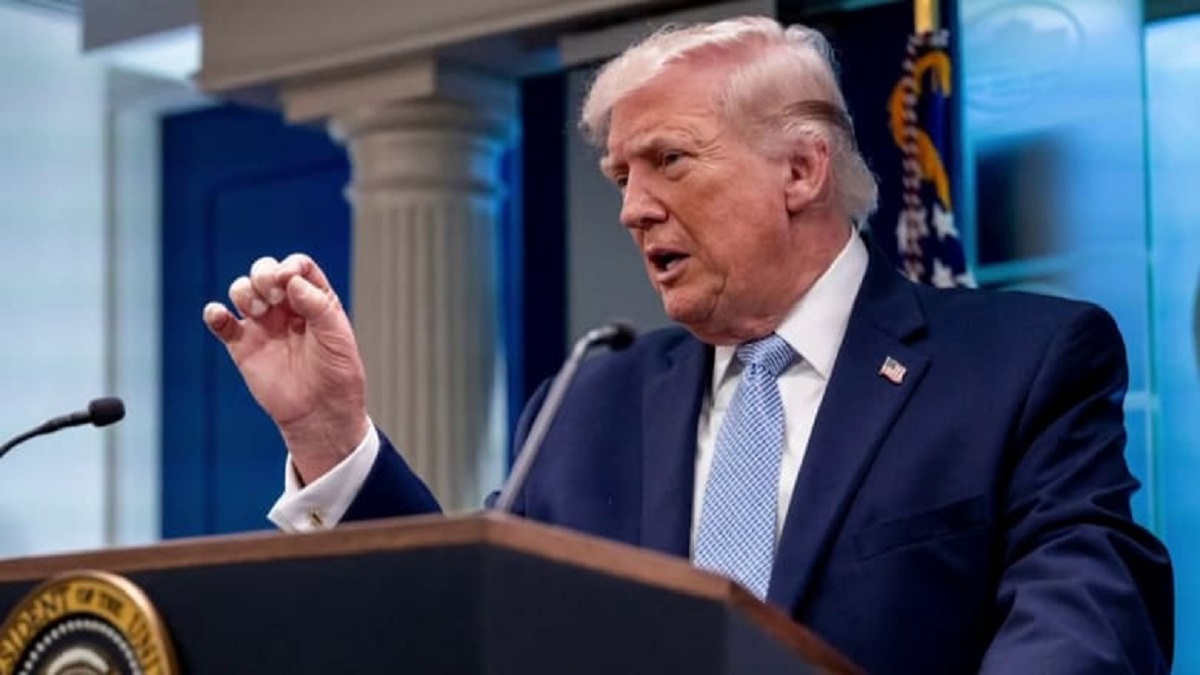
The latest geopolitical flashpoint emerged after reports from major international outlets suggested Iran submitted a counter-response to a proposed ceasefire arrangement tied to rising regional conflict tensions. However, Donald Trump quickly dismissed the proposal during remarks to reporters, signaling that Washington was not satisfied with Tehran’s conditions.
According to reports from BBC News and The Washington Post, Trump argued that Iran’s demands failed to meet what he described as “basic security expectations.” His comments immediately triggered renewed anxiety across diplomatic and financial circles.
The statement also intensified speculation that negotiations may have entered a dangerous deadlock phase.
One energy analyst based in London told international media that markets are now pricing in “a higher probability of prolonged instability,” especially around strategic oil shipping routes.
Oil Prices Jump as Markets React
One of the fastest reactions came from global oil markets. Within hours of Trump’s remarks, crude oil prices reportedly climbed as traders feared disruptions in regional supply chains.
The energy spike reflects a familiar pattern seen during previous Middle East crises. Investors often react aggressively when ceasefire talks weaken because even small military escalations near key shipping corridors can impact worldwide fuel prices.
What makes this situation more significant is the broader economic backdrop. Inflation pressures remain sensitive in several countries, meaning another sustained oil surge could affect transportation, manufacturing, and household energy costs globally.

What Other Reports Missed
Many early headlines focused only on Trump’s rejection of Iran’s proposal. But a deeper look reveals a more important angle: global markets may now be responding less to military risk itself and more to uncertainty surrounding diplomatic leadership.
Several geopolitical observers noted that investors were initially optimistic about backchannel negotiations. Trump’s strong dismissal appears to have shattered hopes for a quick diplomatic breakthrough.
That shift in perception could prove more damaging than the actual proposal details.
Why This Ceasefire Battle Matters Globally
The standoff is no longer viewed as a purely regional issue. Countries across Europe and Asia depend heavily on stable energy supply routes connected to the Gulf region.
Security experts warn that prolonged uncertainty could trigger:
- Higher global fuel prices
- Shipping insurance increases
- Currency volatility
- Rising defense tensions among regional allies
An international affairs researcher quoted by Reuters earlier this week said fragile diplomacy often creates “more dangerous unpredictability than open conflict,” especially when multiple powers are involved.
Public reaction online has also been intense. Some social media users accused both sides of escalating tensions unnecessarily, while others defended Trump’s hardline position.
One viral post on X described the situation as “a ticking economic time bomb disguised as diplomacy.”
Diplomatic Pressure Is Quietly Building
Behind the scenes, multiple governments are reportedly attempting to stabilize negotiations before rhetoric escalates further.
Officials from European diplomatic circles are believed to be encouraging renewed communication channels to prevent talks from collapsing completely. Gulf states are also monitoring developments closely because prolonged instability could directly impact regional investment and trade confidence.
Another overlooked factor is domestic political pressure. Tough public statements often play strongly with political audiences, but they can complicate private negotiations happening away from cameras.
That balancing act may become one of the defining challenges in the coming days.
Historical Context Adds More Pressure
Relations between Washington and Tehran have remained tense for decades, but ceasefire negotiations tied to broader regional crises often carry unusually high stakes.
Past diplomatic breakdowns have repeatedly triggered:
- Oil market shocks
- Military posturing
- Cybersecurity concerns
- Emergency United Nations meetings
Analysts say the current environment feels especially fragile because multiple global conflicts are already straining international diplomacy.
This means even symbolic political statements can have outsized consequences.
What Happens Next?
Diplomatic observers expect further negotiations, indirect communications, and possible international mediation attempts over the next several days.
However, if public rhetoric intensifies further, experts warn that ceasefire efforts could weaken rapidly.
Markets will likely continue monitoring:
- Official White House statements
- Iran’s next diplomatic response
- Oil price movements
- International mediation efforts
For now, the world is watching whether this political standoff remains a war of words — or evolves into something far more serious.
FAQs
Why did Donald Trump reject Iran’s ceasefire response?
Trump reportedly believed Iran’s counterproposal failed to meet key U.S. security expectations during ongoing ceasefire discussions.
Why are oil prices rising after Trump’s comments?
Markets fear that collapsing ceasefire negotiations could disrupt Middle East energy supply routes and increase regional instability.
Is there an active war happening right now?
The situation involves heightened regional tensions and diplomatic negotiations, though international leaders are still pushing for de-escalation.
How are global markets reacting?
Oil prices and investor anxiety increased following Trump’s remarks, with traders watching for further escalation.
Could the ceasefire talks continue?
Yes. Diplomatic channels remain active, although analysts say the talks are currently under serious pressure.