Bogotá, Colombia — Star Struck Times
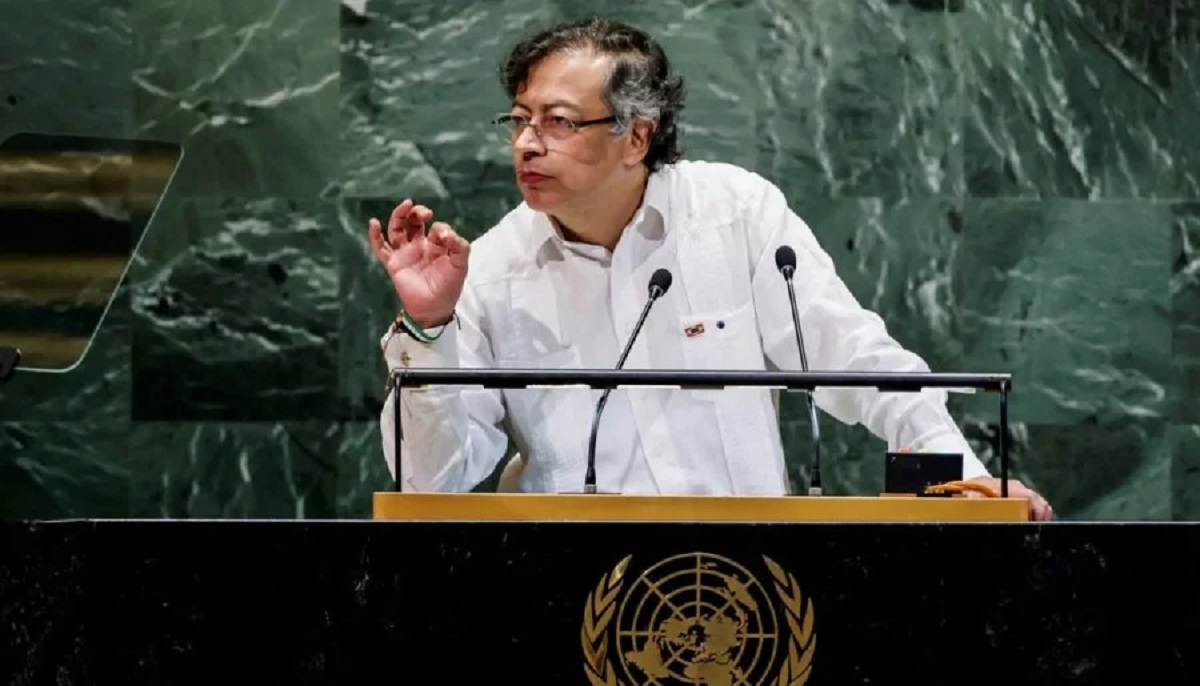
Colombian President Gustavo Petro has urgently requested an emergency United Nations Security Council meeting following large‑scale U.S. military strikes in Venezuela that reportedly resulted in the capture of Venezuelan President Nicolás Maduro and his wife. The strikes, confirmed by U.S. President Donald Trump via social media, have sparked international uproar and heightened tensions across the Americas. Petro labeled the attacks an assault on Venezuela’s sovereignty and stressed the need for immediate global diplomatic engagement to address escalating conflict and regional instability.
Key Highlights
- Colombian President Gustavo Petro calls for an urgent UN Security Council meeting.
- U.S. President Trump announces “large‑scale strike” and claims capture of Maduro and his wife.
- Global condemnation from Latin American leaders urges peace and respect for sovereignty.
- Concerns over international law violations and regional escalation grow.
What Happened: Timeline of Events
In the early hours of January 3, 2026, the United States launched large‑scale military strikes against multiple targets in Venezuela, including the capital, Caracas. President Donald Trump announced on Truth Social that the operations resulted in Venezuelan President Nicolás Maduro and First Lady Cilia Flores being captured and flown out of the country as part of a coordinated action with U.S. law enforcement.

Colombia, sharing a long land border with Venezuela, was swift to respond. President Gustavo Petro issued statements via social media and official channels, condemning the military incursions and stressing that Caracas was under attack and required immediate UN and OAS intervention.
Official and Public Reaction
International reaction has been swift and critical. Petro described the strikes as an attack on the sovereignty of Venezuela and Latin America, urging world leaders to act through diplomatic institutions. Colombia has deployed security forces along its border regions in anticipation of potential refugee flows and insurgent pressures.
Other Latin American leaders joined in condemnation. Cuban President Miguel Díaz‑Canel labeled the strikes “state terrorism,” while Brazil’s President Luiz Inácio Lula da Silva said the action crosses “an unacceptable line.” European nations, including Spain, called for de‑escalation and diplomatic engagement.
A United Nations expert also termed the U.S. strikes and seizure of Venezuelan leaders illegal aggression, emphasizing violations of international law and human rights norms.
Why It Matters: Regional and Global Ramifications
The strikes have profound implications for international relations and the global rules‑based order. Military intervention by one nation against another — without clear UN authorization — challenges longstanding principles of sovereignty, territorial integrity, and peaceful coexistence enshrined in the UN Charter.
Political analysts note that this action could set a dangerous precedent for the use of unilateral force outside recognized self‑defense or collective security frameworks. “This development may embolden states to bypass multilateral institutions for military agendas,” says one international law expert. Civil society activists have expressed fears of a humanitarian crisis if conflict expands.
Economically, Venezuela’s vast oil reserves and strategic position in Latin America add layers of complexity, as global markets and energy politics may shift in the wake of power changes.

Past Similar Events: A Region on Edge
While the U.S. has a long history of intervention in the Western Hemisphere, direct military action resulting in the detention of a sitting head of state is unprecedented in recent decades. Previous tensions — such as disputes over drug enforcement operations near Venezuelan waters — had already strained U.S.–Venezuela relations, but none reached the scale of this operation.
Historically, Colombia has maintained strategic ties with both the U.S. and neighboring countries, balancing diplomatic cooperation and regional security concerns. President Petro’s response reflects broader fears of destabilization affecting border communities and diplomatic alliances.
Conclusion: What Happens Next
With calls for a UN Security Council session imminent, diplomatic tensions are likely to escalate in the coming days. The world will watch closely whether international bodies can pave a path toward peaceful negotiation or if sanctions, counter‑measures, and further condemnations deepen geopolitical divides. Humanitarian agencies are also preparing for possible displacement and crisis response in border regions.
FAQs
Q: Why did Colombia call for a UN meeting?
Colombian President Gustavo Petro called for an urgent UN Security Council meeting to address what he called unlawful U.S. military strikes on Venezuela that threaten regional peace and violate national sovereignty.
Q: Did the U.S. really capture Nicolás Maduro?
The U.S. President announced that Venezuelan President Nicolás Maduro and his wife were captured and taken out of the country following military strikes, though independent verification is limited and global reaction continues.
Q: How are other countries responding?
Countries like Cuba, Brazil, and Spain have condemned the strikes, while many governments call for restraint, diplomacy, and adherence to international law.
Q: What laws govern such military actions?
International law, particularly the UN Charter, prohibits the use of force against sovereign states without Security Council approval or self‑defense justification; experts argue the strikes may violate these principles.
Q: Could this escalate into broader conflict?
Yes. Regional tensions and global power responses could intensify, with diplomatic, economic, and security ramifications across the Americas and beyond.
For continuous live updates and expert analysis on this developing story, bookmark Star Struck Times and follow our World News section.
Sources / Further Reading
© 2025 Star Struck Times. All rights reserved.