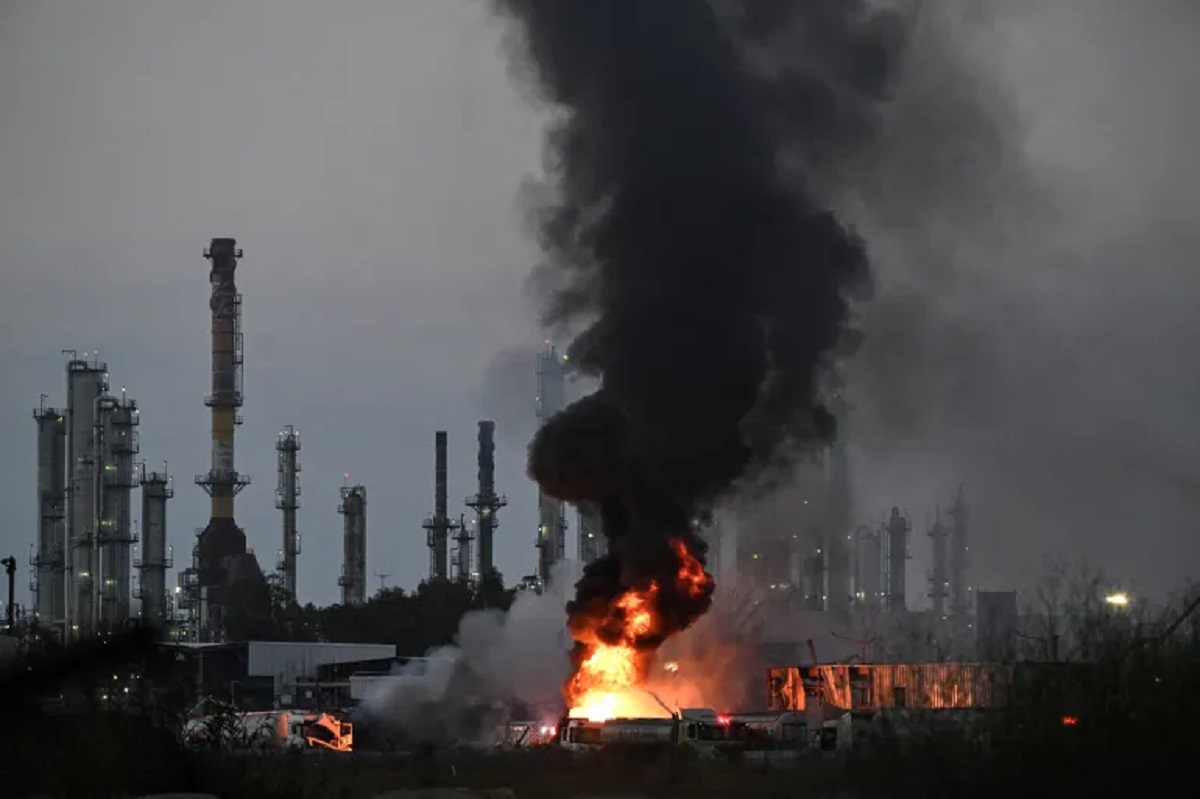
Fresh military tensions between Israel and Iran are once again pushing the Middle East toward a dangerous regional flashpoint, with fears growing that neighboring countries including Lebanon could become more deeply involved. Recent Israeli military operations and escalating rhetoric from Tehran have intensified global concerns about oil prices, regional stability, and the possibility of a broader conflict that could disrupt international markets and diplomacy.
As global leaders call for restraint, analysts warn that the economic and geopolitical consequences may extend far beyond the Middle East.
Key Highlights
Israel and Iran tensions have sharply escalated after fresh regional strikes
Lebanon remains under global watch amid fears of wider involvement
Oil prices and global energy markets are reacting to uncertainty
Western governments are urging de-escalation behind closed doors
Security analysts warn the situation could reshape regional alliances
Public fear and online debate are surging across social platforms
What Triggered the Latest Middle East Escalation?
The latest escalation follows reports of renewed Israeli military operations linked to Iranian-backed networks operating across the region. International media outlets including BBC News and Reuters have reported growing concerns among diplomats that retaliatory cycles are becoming more difficult to contain.
Israeli officials have continued to argue that regional security threats tied to Iran-backed groups cannot be ignored, while Iranian state-linked voices have accused Israel of destabilizing the region through aggressive military strategy.
The situation has become especially sensitive because of Lebanon’s fragile political and economic condition. Security experts fear that any major expansion of conflict near the Israel-Lebanon border could create humanitarian and economic fallout across the wider region.
According to regional analysts, the growing military pressure also increases the risk of miscalculation — a concern repeatedly raised by Western diplomats in recent months.
Why Global Markets Are Suddenly Nervous
One of the biggest underreported aspects of the crisis is its direct connection to global energy markets.
Oil traders are closely watching the situation because the Middle East remains central to global energy supply chains. Even the perception of instability involving Iran, Israel, or surrounding waterways can trigger sudden spikes in crude oil prices.
Economic analysts say investors are increasingly worried about three major risks:
Shipping disruptions
Higher oil transport costs
Expanded regional sanctions
A senior energy strategist quoted by financial analysts noted that prolonged instability in the region could increase inflation pressures worldwide, especially in fuel-importing countries.
That fear is already influencing global financial sentiment.
Public Reaction Across the Region and Online
Public reaction has become deeply polarized.
Supporters on both sides have flooded social media platforms with competing narratives, emotional videos, and calls for stronger retaliation. The hashtag-driven information war is rapidly shaping public perception worldwide.
One social media user wrote:
“The world keeps watching the Middle East edge closer to another disaster.”
Another viral post questioned whether global powers are doing enough diplomatically to prevent escalation.
Meanwhile, civilians in several regional cities reportedly expressed fear over uncertainty, particularly families already impacted by years of economic hardship and political instability.
What Other Reports Missed
While most headlines focus on military developments, a less discussed issue is how the crisis is affecting regional diplomacy behind the scenes.
Several Middle Eastern governments are reportedly trying to prevent the conflict from expanding because a prolonged crisis could damage trade routes, tourism recovery, foreign investment, and already weakened economies.
Experts also point to another overlooked factor: younger populations across the region are increasingly consuming conflict coverage through TikTok, YouTube Shorts, and X, where emotionally charged clips often spread faster than verified reporting.
This creates a volatile environment where misinformation can intensify fear and public anger within hours.
That digital amplification is becoming almost as influential as official government messaging itself.
Why Lebanon Is Central to Global Concern
Lebanon remains one of the most closely watched areas in the crisis.
The country’s economic collapse, political fragmentation, and proximity to Israeli border tensions make it especially vulnerable. Security observers fear that even limited escalation could place enormous pressure on Lebanese infrastructure and civilians.
International humanitarian organizations are also monitoring developments closely amid fears of displacement or worsening humanitarian conditions if tensions continue rising.
Diplomatic efforts involving European and Gulf states are reportedly continuing quietly in an attempt to contain the situation before it expands further.
Historical Context Behind the Iran-Israel Conflict
The conflict between Israel and Iran has evolved over decades through proxy confrontations, regional alliances, intelligence operations, and military positioning.
In recent years, tensions have repeatedly surged around:
Syria
Lebanon
Maritime security
Missile programs
Regional militia activity
Experts say the current climate is particularly dangerous because several unresolved crises are overlapping simultaneously — including economic instability, political fragmentation, and global energy uncertainty.
That combination increases the stakes for every military or political move.
What Happens Next?
The coming days may prove critical.
Global leaders are expected to intensify diplomatic efforts to prevent further escalation, while investors and security analysts continue monitoring the situation closely.
The biggest question now is whether regional powers can contain tensions before another major incident triggers wider instability.
For millions across the Middle East — and for global markets — the uncertainty itself is already having real consequences.
FAQs
Why are Israel and Iran tensions rising again?
Recent military operations, regional security concerns, and retaliatory rhetoric have sharply increased tensions between both countries.
Why is Lebanon involved in the discussion?
Lebanon’s geographic position and internal instability make it vulnerable to spillover effects from regional conflict.
Could oil prices rise because of the crisis?
Yes. Middle East instability often impacts global oil markets due to concerns over supply disruptions and shipping security.
Are world leaders trying to stop escalation?
Several governments and international diplomats are reportedly pushing for de-escalation through diplomatic channels.
Why is this conflict trending globally?
The crisis affects geopolitics, energy markets, security fears, and social media debate worldwide.
Hello! I'm M Muzamil Shami, the founder and lead editor of Star Struck Times, your trusted source for trending news, entertainment scoops, celebrity gossip, sports highlights, and global headlines.
With a passion for storytelling and journalism, I created this platform to bring you breaking news, viral moments, and deep insights into the worlds of Bollywood, Hollywood, sports, politics, tech, and more — all in one place.