Beijing, China — May 13, 2026, 7:40 PM — Star Struck Times
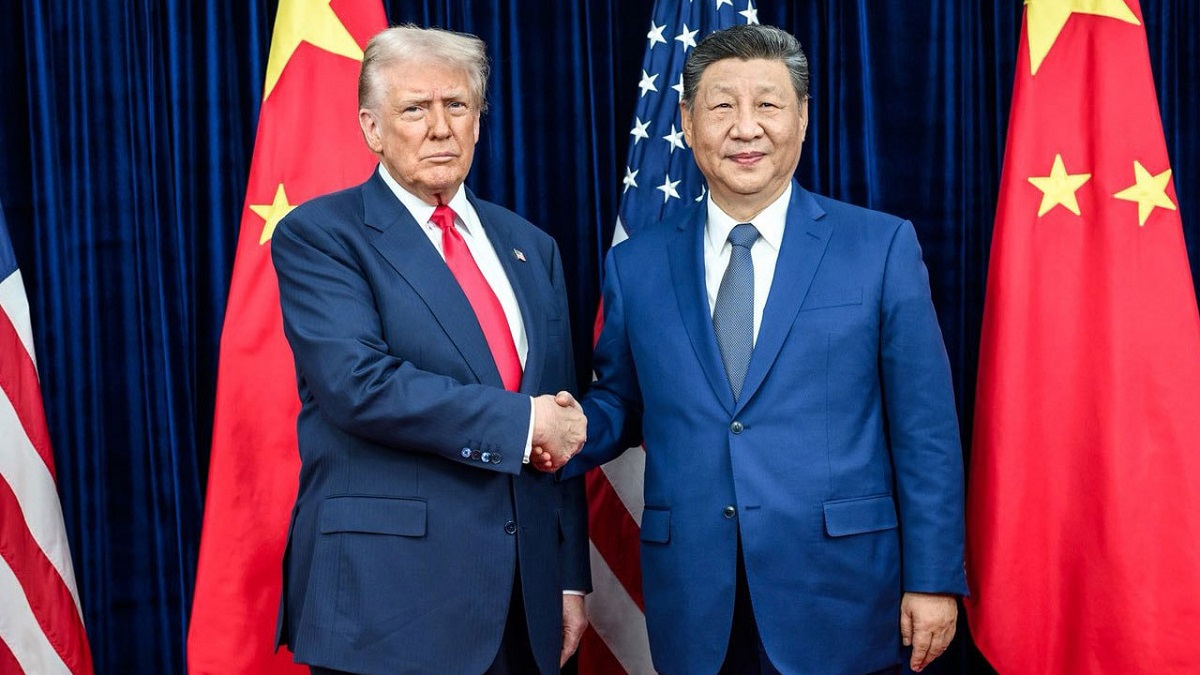
A high-stakes meeting between Donald Trump and Xi Jinping is dominating global headlines as political leaders, investors, and military analysts closely watch what could become one of the most consequential diplomatic moments of 2026. The summit, taking place in Beijing amid escalating trade tensions, Taiwan security concerns, AI chip restrictions, and Middle East instability, has triggered widespread speculation about the future of global power dynamics.
For more global political analysis, visit the World News section on Star Struck Times.

Key Highlights
- Donald Trump and Xi Jinping hold critical talks in Beijing
- Taiwan tensions remain a major behind-the-scenes issue
- AI chip restrictions and trade disputes dominate negotiations
- Global markets react cautiously ahead of summit outcomes
- Analysts warn the meeting could reshape geopolitical alliances
- Iran and Middle East diplomacy reportedly discussed privately
Why the Trump-Xi Summit Has the World Watching
The meeting comes at a time when relations between the United States and China remain deeply strained. Economic disputes over tariffs, semiconductor restrictions, and advanced artificial intelligence technology have intensified over the past year.
According to reports from Reuters and BBC News, senior officials from both governments spent weeks preparing confidential negotiation frameworks before the summit began.
One major concern is Taiwan. While neither side publicly confirmed military discussions, analysts believe regional security remains central to the talks. Beijing continues to oppose growing US support for Taiwan, while Washington has repeatedly emphasized regional stability and freedom of navigation.
Political risk analyst Daniel Harper told international media that “even small diplomatic shifts during this summit could influence markets, military alliances, and technology policy worldwide.”
Trade War Fears Return to Global Markets
Financial markets across Asia and Europe reacted cautiously ahead of the summit, reflecting fears that a failed meeting could reignite a full-scale trade war.
Investors are especially focused on restrictions involving AI chips and advanced semiconductor exports. The United States previously tightened controls on high-performance chip technology entering China, citing national security concerns.
China, meanwhile, has accelerated domestic AI development and expanded strategic partnerships with regional allies.

Several economists believe the summit could determine whether the world moves toward economic stabilization or deeper fragmentation.
“What markets fear most is uncertainty,” said a Singapore-based trade strategist quoted by Bloomberg. “If this summit ends without clear progress, global volatility could increase significantly.”
Taiwan Tensions Remain the Hidden Pressure Point
While official statements focused heavily on economic cooperation, diplomatic insiders suggest Taiwan remains the summit’s most sensitive topic.
Military exercises in the Taiwan Strait over recent months have already heightened international anxiety. US naval operations in the region and China’s military responses continue to fuel geopolitical friction.
What makes this summit different is timing.
The talks are unfolding alongside rising concerns about regional alliances involving Japan, South Korea, and NATO-linked security cooperation in Asia.
Security experts warn that even symbolic language emerging from the summit could affect military planning across the Indo-Pacific region.
The AI Chip Battle Could Define the Future Economy
Another major issue dominating negotiations is artificial intelligence infrastructure.
The United States has increased restrictions on advanced chip exports used for AI training systems, while China is investing billions into domestic alternatives.
This technology battle is no longer just about business competition. Experts now describe AI infrastructure as a future national security asset.
Hidden beneath public diplomacy is a growing race for technological dominance.
Analysts believe whichever country leads advanced AI development over the next decade could gain enormous economic and military advantages.
That makes the Trump-Xi summit about far more than tariffs or diplomacy. It may ultimately influence the next phase of global technological leadership.
What Other Reports Missed
Much of the international coverage has focused on tariffs and Taiwan, but another issue appears increasingly important: Middle East diplomacy.
Several geopolitical observers believe Iran-related negotiations may also be indirectly connected to the summit discussions. China has expanded economic and energy relationships across the Middle East, while the United States remains heavily involved in regional security strategy.
This creates a quieter but highly important diplomatic layer that many mainstream reports have not fully explored.
Another overlooked factor is domestic political pressure on both leaders.
Trump faces increasing expectations from American business groups seeking economic stability, while Xi Jinping must balance national strength narratives with slowing economic growth concerns inside China.
The summit therefore carries political risks for both sides beyond international diplomacy.
Public Reaction Online Intensifies
Social media platforms exploded with debate shortly after images from the summit began circulating.
Some users praised the possibility of renewed diplomatic engagement, while others expressed skepticism over whether meaningful progress could actually emerge.
“This meeting feels bigger than just politics,” one user wrote on X. “It feels like the future direction of the world economy.”
Another commenter described the summit as “the most important geopolitical meeting of the year.”
Search interest for terms like “Trump Xi summit,” “China US tensions,” and “Taiwan conflict 2026” surged globally within hours.
Why This Matters Beyond Politics
The consequences of the summit extend far beyond government negotiations.
The outcome could impact:
- Global inflation
- Technology supply chains
- Oil markets
- Military alliances
- AI development
- International trade stability
For businesses, investors, and ordinary consumers, the meeting represents a major uncertainty point at a time when global economic recovery remains fragile.
What Happens Next
Officials are expected to release additional statements after private negotiations conclude in Beijing. Markets, defense analysts, and diplomatic observers will closely monitor any references to Taiwan, AI technology cooperation, tariff policy, or regional security agreements.
Even if no dramatic agreement is announced immediately, the tone and language emerging from the summit could shape geopolitical relations for years.
The world is now waiting to see whether this meeting reduces tensions — or quietly confirms that a deeper global power struggle has already begun.
FAQs
Why is the Trump-Xi summit important?
The summit involves critical issues including trade tensions, Taiwan security concerns, AI chip restrictions, and global economic stability.
Where is the Trump-Xi summit taking place?
The meeting is being held in Beijing, China.
What are the main issues discussed at the summit?
Key topics reportedly include tariffs, semiconductor restrictions, Taiwan, AI technology competition, and regional security.
How are global markets reacting?
Markets are reacting cautiously due to uncertainty surrounding trade policy and geopolitical stability.
Why are AI chips part of the negotiations?
Advanced semiconductor technology is considered strategically important for economic growth, military systems, and artificial intelligence development.