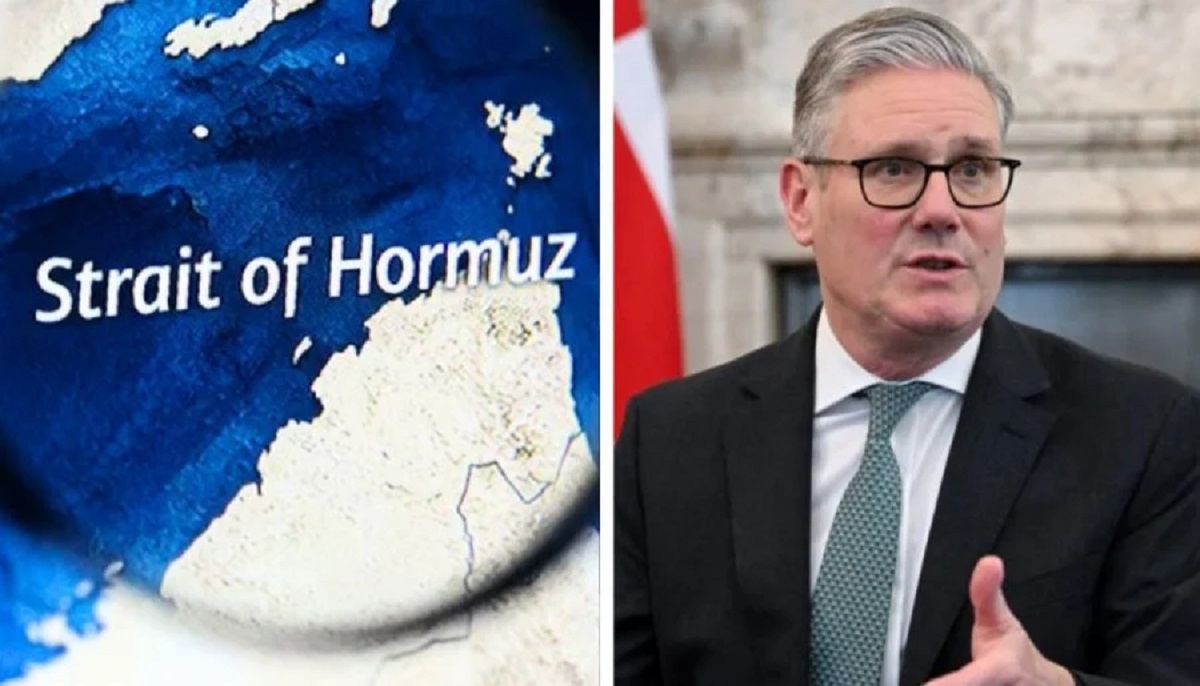
Keir Starmer rejects US blockade in Strait of Hormuz crisis
London, United Kingdom, April 13, 2026, 6:00 PM — Star Struck Times
In a decisive geopolitical move, UK Prime Minister Keir Starmer has confirmed that Britain will not support the United States’ military blockade of Iranian ports in the strategically vital Strait of Hormuz. The announcement comes amid escalating tensions following failed peace talks and rising global concern over energy supply disruptions. With nearly 20% of the world’s oil flowing through the strait, Starmer’s refusal signals a major divergence from Washington’s aggressive stance and raises urgent questions about global alliances and economic stability. Internal link suggestion: World News category
Key Highlights
UK refuses to join US blockade of Iranian ports
Donald Trump pushes forward with military action
Strait of Hormuz carries ~20% of global oil supply
UK prioritizes de-escalation and lawful action
France signals preference for diplomatic talks
Global markets on edge over potential oil disruption
What Happened: A Strategic Split Between Allies
The geopolitical fault line widened on Monday as Keir Starmer publicly rejected US requests to support a naval blockade targeting Iranian ports. The move follows the collapse of high-stakes peace negotiations reportedly held in Pakistan over the weekend.
The United States, under Donald Trump, initiated the blockade at 10 a.m. Eastern Time, aiming to pressure Iran economically and militarily. Trump claimed allied nations would assist in “securing” the region—but Britain’s refusal undermines that narrative.
Instead, the UK has drawn a firm line: no involvement without a clear legal framework and strategic consensus.
Global Reactions: Diplomacy vs Military Pressure
International response has been swift and divided. European leaders, including Emmanuel Macron, have signaled a preference for multinational diplomacy rather than unilateral military escalation.
Starmer emphasized that Britain’s role in the region is defensive—not offensive. Speaking to BBC Radio, he stated:
“We are not supporting the blockade. We will not be dragged into war under pressure.”
Meanwhile, analysts note that the UK’s stance reflects growing unease among Western allies about escalating conflict in the Gulf.
Public sentiment mirrors this caution. One London-based analyst commented:
“This is less about defiance and more about survival—economic and political.”
On social media, reactions ranged from support for de-escalation to criticism of weakening Western unity.
Why It Matters: Oil, Economy, and Global Stability
The Strait of Hormuz is not just a waterway—it is the lifeline of global energy markets. Any disruption could trigger:
Sharp spikes in oil prices
Inflation surges worldwide
Supply chain instability
Economic shocks in oil-dependent nations
Starmer highlighted this risk directly, stressing that the UK’s mine-sweeping capabilities are focused on keeping the strait open—not enforcing blockades.
Expert Insight
A senior geopolitical analyst explains:
“Blocking the Strait of Hormuz is equivalent to shaking the foundation of the global economy. The UK understands that stability—not confrontation—is the smarter long-term play.”
This strategic restraint may position Britain as a mediator rather than a combatant.
Historical Context: A Familiar Flashpoint
Tensions around the Strait of Hormuz are nothing new. The narrow passage has long been a geopolitical hotspot, with previous confrontations involving Iran, the US, and allied forces.
However, what makes this moment unique is the visible fracture among Western allies. Unlike past conflicts where NATO unity was strong, this scenario reveals a more fragmented approach to global security.
Britain’s refusal echoes past decisions where it chose diplomacy over direct military engagement—suggesting a broader shift in foreign policy strategy.
The Unique Angle: Britain’s Quiet Power Play
While headlines focus on refusal, the deeper story is strategic positioning.
By stepping back from military action, the UK may be:
Preserving economic stability
Avoiding long-term military entanglement
Positioning itself as a neutral negotiator
Strengthening its independent global identity post-Brexit
This is not just a rejection—it’s a recalibration of Britain’s role on the world stage.
Watch: What Keir Starmer’s Decision Means for Global Power Dynamics
Now that you’ve seen the situation unfold, the real question is — what happens next on the global stage?
What Happens Next?
The coming days are critical.
Will other allies follow the UK’s lead?
Can diplomatic talks restart successfully?
Will Iran retaliate or escalate tensions?
How will global oil markets react long-term?
One thing is clear: the situation remains volatile, and the balance between war and diplomacy hangs by a thread.
FAQs
1. Why did Keir Starmer refuse to support the US blockade? He emphasized the need for lawful action and avoiding escalation into war without a clear strategic plan.
2. What is the Strait of Hormuz and why is it important? It’s a key global shipping route where about 20% of the world’s oil supply passes through.
3. Who controls the Strait of Hormuz? It lies between Iran and Oman, with international maritime laws governing passage.
4. What happens if the Strait of Hormuz is blocked? Oil prices could skyrocket, triggering global economic instability.
5. Are other countries supporting the US blockade? Some allies are cautious, with nations like France leaning toward diplomatic solutions.
Hello! I'm M Muzamil Shami, the founder and lead editor of Star Struck Times, your trusted source for trending news, entertainment scoops, celebrity gossip, sports highlights, and global headlines.
With a passion for storytelling and journalism, I created this platform to bring you breaking news, viral moments, and deep insights into the worlds of Bollywood, Hollywood, sports, politics, tech, and more — all in one place.