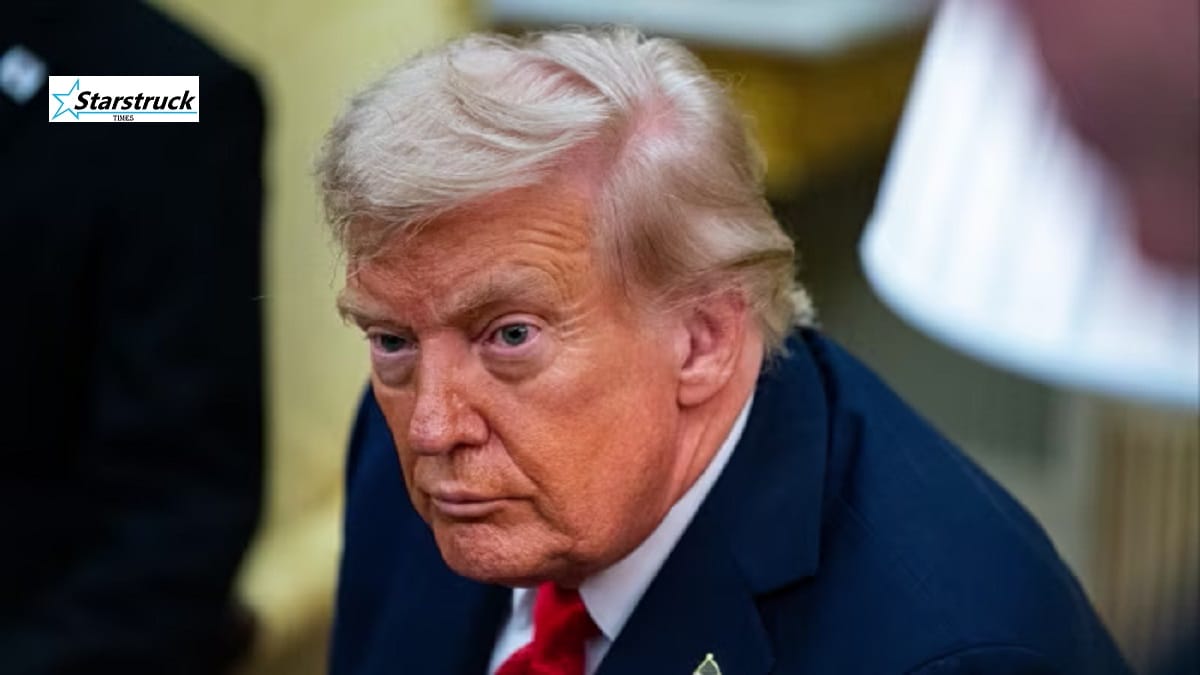
President Donald Trump slams Putin after deadly missile strikes on Kyiv, despite ongoing peace negotiations.
President Trump expresses deep anger over Russia’s ongoing missile and drone attacks on Ukraine.
The latest assault on Kyiv resulted in at least 15 deaths and numerous injuries.
Trump’s frustration grows as peace negotiations with Putin remain stalled.
International leaders condemn Russia’s actions, calling for immediate cessation of hostilities.
Trump’s Frustration with Putin Escalates
President Donald Trump has publicly expressed his deep frustration with Russian President Vladimir Putin over the ongoing missile and drone attacks on Ukraine. Despite recent peace talks aimed at de-escalating the conflict, Russia’s continued aggression has left Trump “very angry.” In a recent statement, Trump remarked, “Every conversation I have with him is a good conversation, and then unfortunately, a bomb is loaded up into Kyiv or someplace, and then I get very angry about it.”
The latest assault on Kyiv, which occurred on August 28, 2025, involved 598 drones and 31 missiles, marking one of the largest attacks since the war began. The strike resulted in at least 15 deaths, including four children, and injured 48 others. Civilian infrastructure, including the British Council building and the EU delegation office, were damaged in the attack.
Humanitarian Impact and Global Condemnation
The scale of the recent attack has drawn widespread international condemnation. Ukrainian President Volodymyr Zelensky condemned Russia’s reliance on ballistic missiles over diplomacy, calling the assault a targeted massacre. European leaders, including French President Emmanuel Macron and UK Prime Minister Keir Starmer, also denounced the strike, pledging new sanctions and diplomatic efforts to hold Russia accountable.
The attack has intensified calls for stronger actions against Russia and a renewed push for peace. However, diplomatic negotiations remain stalled, with both sides holding firm on their demands. Ukraine continues to seek firm security guarantees from the West before considering any ceasefire or peace deal, while Russia demands that the West address the war’s root causes.
Stalled Peace Efforts and Diplomatic Tensions
Despite recent summits between President Trump and President Putin, peace negotiations have made little progress. Trump has expressed hope for a resolution but has also warned that the continued attacks could derail any potential deal. In a recent interview, Trump stated, “I think we’re going to get the war done… but you never know what’s going to happen in a war. Strange things happen in war.”
The deadlock in negotiations is further complicated by differing demands from both sides. Ukraine insists on security guarantees from the West, while Russia seeks concessions regarding Ukraine’s NATO aspirations. The lack of mutual understanding has led to a diplomatic stalemate, with no clear path forward.
The Path Forward: Can Peace Be Achieved?
As the conflict continues to escalate, the international community faces pressing questions about how to achieve a lasting peace. Experts suggest that both sides may need to make difficult compromises to reach an agreement. Proposals have been made for reciprocal security guarantees, similar to historical precedents like the Congress of Vienna and the Cuban Missile Crisis, to address the security concerns of both Ukraine and Russia.
However, the willingness of both parties to engage in such negotiations remains uncertain. The continued violence and lack of trust between the nations pose significant obstacles to peace. As President Trump and other world leaders continue their efforts, the question remains: can diplomacy overcome the deep divisions and lead to a resolution of the conflict?
FAQs
1. Why is President Trump angry with President Putin? President Trump has expressed anger due to Russia’s continued missile and drone attacks on Ukraine, despite recent peace talks aimed at de-escalating the conflict.
2. What was the impact of the recent attack on Kyiv? The August 28, 2025, assault resulted in at least 15 deaths and 48 injuries, including four children. Civilian infrastructure, such as the British Council building and the EU delegation office, were damaged.
3. What are the main obstacles to peace negotiations? Key obstacles include differing demands from both sides, such as Ukraine’s insistence on security guarantees and Russia’s desire for concessions regarding Ukraine’s NATO aspirations.
4. Can a peace deal still be achieved? While challenges remain, experts suggest that with mutual compromises and international support, a lasting peace agreement is possible.
What are your thoughts on the ongoing conflict and the prospects for peace? Share your opinions and engage with others in the comments below.
Hello! I'm M Muzamil Shami, the founder and lead editor of Star Struck Times, your trusted source for trending news, entertainment scoops, celebrity gossip, sports highlights, and global headlines.
With a passion for storytelling and journalism, I created this platform to bring you breaking news, viral moments, and deep insights into the worlds of Bollywood, Hollywood, sports, politics, tech, and more — all in one place.