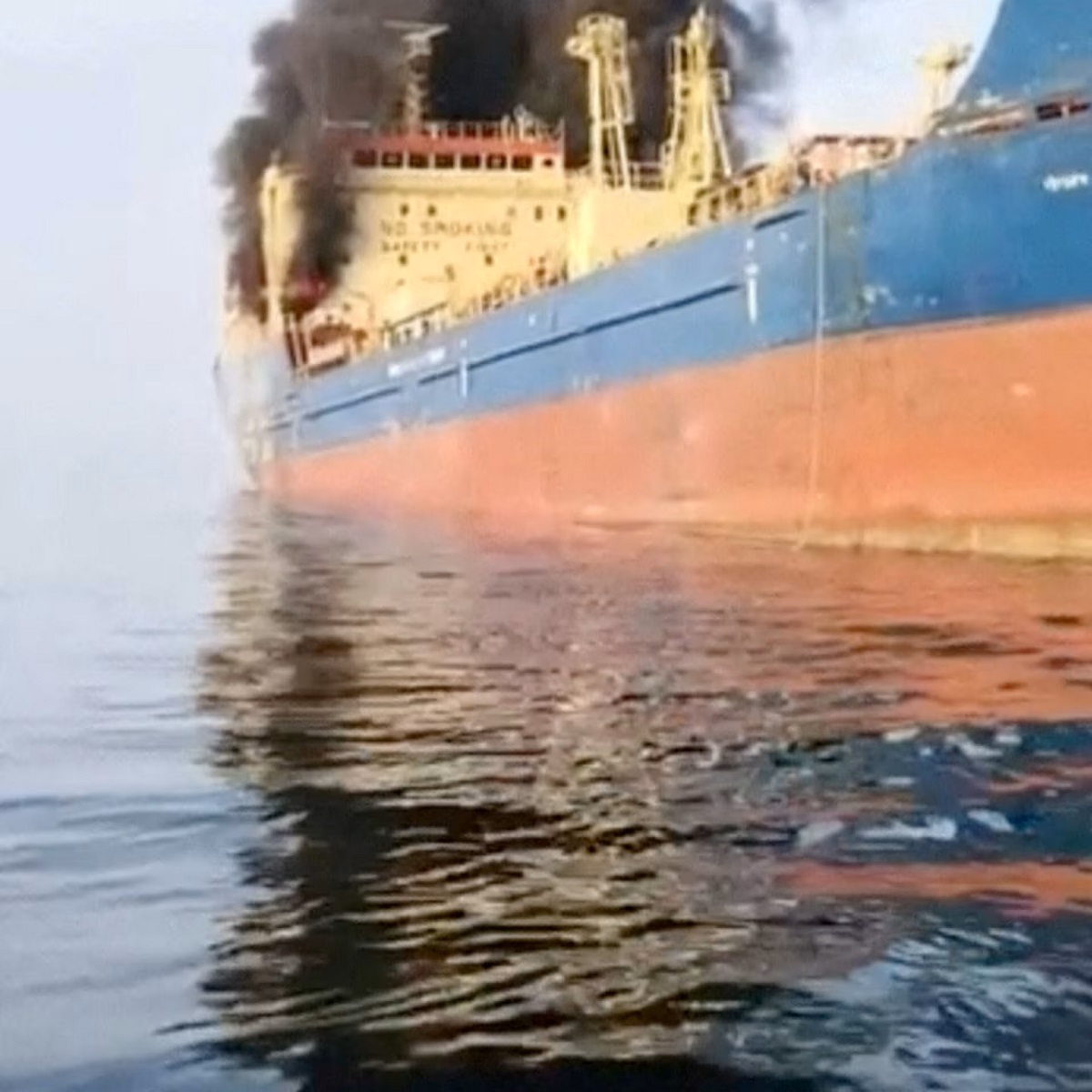
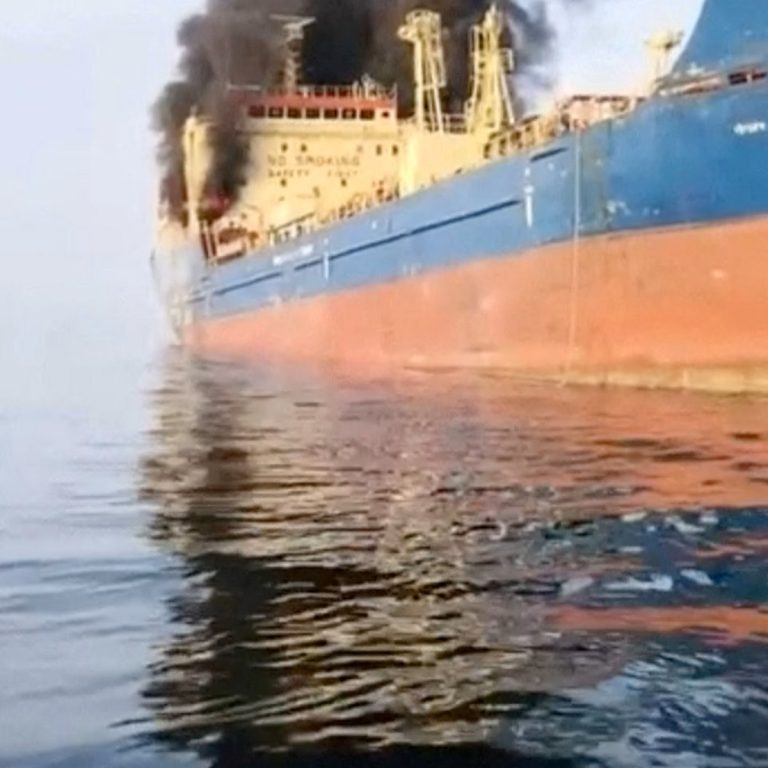
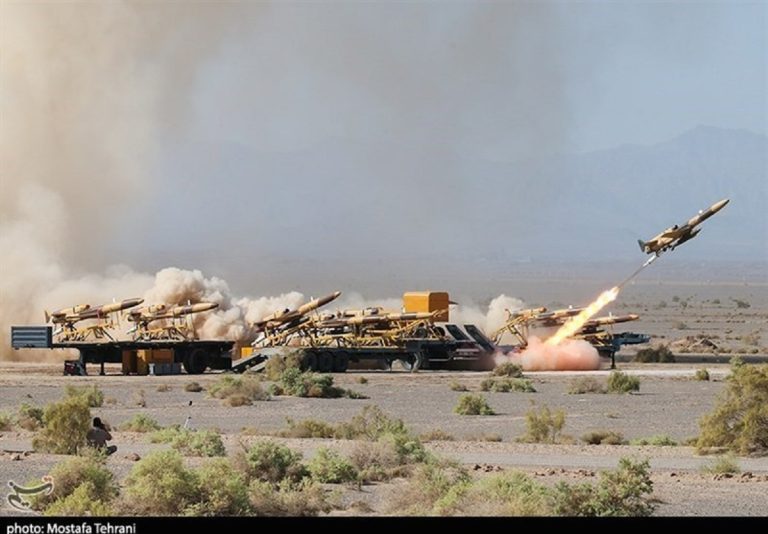
Iranian oil shipments and shipping security remain central to the escalating US-Iran confrontation.
November 23, 2026
Iran has warned that it will use all available means to confront the United States naval blockade, raising concerns about another escalation in the conflict and the security of vital oil shipping routes. However, global oil prices moved lower on Monday, highlighting the complicated relationship between military developments, energy supplies and market expectations.
Iranian Foreign Ministry spokesperson Esmaeil Baghaei described the blockade as military aggression and said Tehran had the right to defend itself. His remarks came as Washington continued restricting Iranian oil shipments and tightening enforcement against vessels suspected of transporting Iranian crude.
Key Points
Iran says it will use all available means to challenge the US naval blockade.
Washington has expanded restrictions on ship-to-ship transfers involving Iranian oil.
Reports of Iranian tankers gathering near Kharg Island have raised questions about a possible attempt to resume exports.
Brent crude fell 3.51% to $89.32 per barrel on November 23, despite continuing regional security concerns.
The Strait of Hormuz remains a critical risk for international oil supplies and shipping.
US Blockade Puts Iranian Oil Tankers Under Pressure
The latest confrontation is increasingly focused on maritime enforcement rather than simply the exchange of military threats.
On November 18, Reuters reported that the US had tightened restrictions on oil transfers at sea. Under a US military advisory, vessels receiving cargo from ships carrying goods loaded at Iranian ports or coastlines could be treated as attempting to evade the blockade.
US forces may stop, board, divert or capture vessels under the announced enforcement measures, subject to applicable law.
The restrictions create additional difficulties for Iran because the country depends heavily on maritime shipments to sell its crude oil internationally.
Iran’s main export terminal at Kharg Island is particularly important. Before the conflict, approximately 90% of Iranian crude exports passed through the island, making it a major pressure point in the confrontation.
Kharg Island Tankers Raise Questions About Iran’s Next Move
Reports about Iranian oil tankers gathering near Kharg Island have added another dimension to the situation.
A November 22 report by the New York Post, citing satellite imagery and shipping data, said more than 14 tankers had gathered near the export hub. The reported concentration has prompted speculation about whether Tehran could attempt to resume oil shipments despite the American blockade.
However, the presence of tankers does not establish that a convoy is preparing to leave, that the vessels have loaded crude or that Iran has ordered a coordinated challenge to US forces.
Iranian officials have expressed their intention to restore oil exports, but the precise status and movements of the reported vessels remain important unanswered questions.
Reuters reported on November 23 that Baghaei dismissed reports of Iranian ships loading oil as speculation. The agency also said visible Iranian crude exports had fallen close to zero in recent months.
That distinction matters: gathering vessels, loading cargo and successfully passing through a naval blockade are three separate developments.
Why Oil Prices Fell Despite Rising War Risks
One of the most important developments on November 23 was the movement in oil prices.
According to Reuters, Brent crude futures fell 3.51% to $89.32 per barrel, while US West Texas Intermediate declined 3.56% to $80.44.
The declines came as increased Middle Eastern oil supplies and the reopening of Libya’s Sharara pipeline helped ease concerns about available supply. Both benchmarks reached their lowest levels since late August.
This market movement challenges the assumption that every escalation involving Iran automatically sends crude prices higher.
Oil traders also consider production levels, alternative export routes, inventories, demand expectations and the possibility that military tensions may not immediately cause additional supply losses.
Nevertheless, falling prices do not mean the risks have disappeared. A successful disruption to major shipping routes or energy infrastructure could quickly change market expectations.
Why the Strait of Hormuz Matters to the Global Economy
The Strait of Hormuz remains central to the economic consequences of the Iran-US confrontation.
According to the International Energy Agency (IEA), approximately 20 million barrels of oil and petroleum products passed through the waterway daily in 2025, representing around one-quarter of global seaborne oil trade.
Much of this energy supply is destined for Asian markets, including major importers such as China, India and Japan.
A prolonged disruption could therefore affect countries far beyond the Middle East. Higher transportation costs, insurance premiums and uncertainty surrounding tanker movements could also place pressure on fuel prices and international supply chains.
For countries dependent on imported energy, including Pakistan, instability in Gulf shipping routes is particularly important because changes in international crude prices and transportation costs can eventually affect domestic fuel expenses.
The IEA also identifies Saudi Arabia and the United Arab Emirates as having alternative pipeline routes that can bypass the Strait, although their available capacity cannot replace all the oil normally transported through the waterway.
What Happens Next?
The immediate question is whether the US blockade and Iran’s response will remain focused on economic and maritime pressure or develop into another direct military confrontation.
Iran’s latest warning signals that Tehran is not accepting Washington’s restrictions, while the US measures indicate that enforcement against Iranian oil shipments remains a priority.
For oil markets, the next major indicators will be verified tanker movements, actual export volumes, shipping incidents and any confirmed attacks on energy infrastructure.
A rise toward $200 per barrel is not an established outcome of the current developments. Such a price would depend on much more severe and sustained supply disruptions, alongside broader market conditions.
For now, the situation presents two competing signals: military and maritime risks remain serious, but oil prices have declined as additional supplies have eased immediate market pressure.
The gap between those two developments may be the most important factor to watch as the Iran-US confrontation continues.
Hello! I'm M Muzamil Shami, the founder and lead editor of Star Struck Times, your trusted source for trending news, entertainment scoops, celebrity gossip, sports highlights, and global headlines.
With a passion for storytelling and journalism, I created this platform to bring you breaking news, viral moments, and deep insights into the worlds of Bollywood, Hollywood, sports, politics, tech, and more — all in one place.