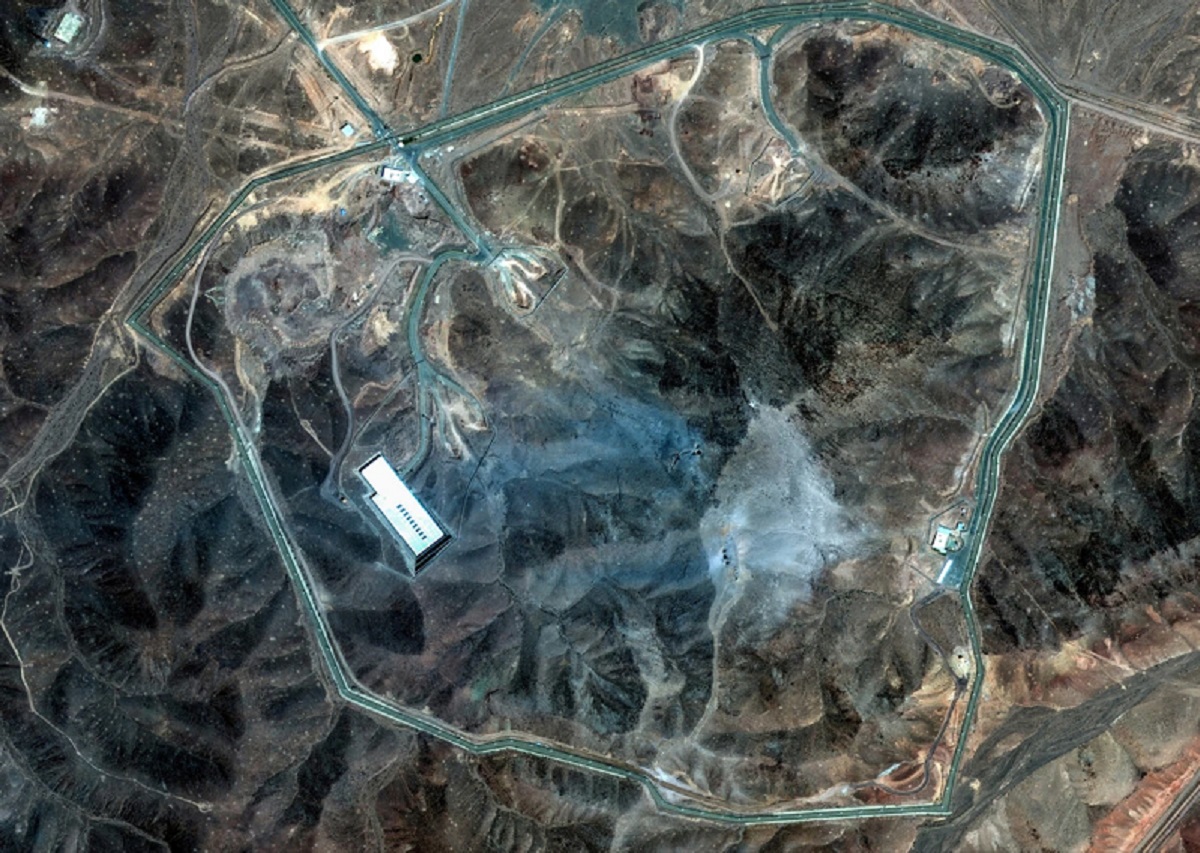
In a major development in the ongoing Israel‑Iran conflict, Israeli and United States military forces carried out coordinated strikes on key Iranian infrastructure, hitting nuclear‑related sites, major steel plants and a power generation facility on 27 March 2026, raising regional tensions and global security concerns. The strikes mark one of the most significant escalations since hostilities widened earlier in 2026.
Within the first 100 words, this report links to the broader Middle East conflict category on Star Struck Times, offering ongoing coverage of the crisis and the evolving geopolitical dynamics.
Key Highlights
🇮🇱 Israel and U.S. military forces struck multiple sites across Iran on 27 March 2026.
Attacks included nuclear infrastructure, major steel plants and a power facility.
🇮🇷 Iran condemned the operations, warning of retaliation and consequences.
Officials from both nations emphasize security objectives amid escalating conflict.
The actions have regional and global economic implications, especially for energy markets and security.
What Happened? — Strike Details and Facts
On Friday, 27 March 2026, Israel’s military, with reported support or coordination from U.S. forces, launched a series of air and missile strikes targeting Iranian strategic infrastructure. These included strikes on:
Nuclear‑linked facilities, including heavy water and uranium research installations.
Major steel production complexes in Khuzestan and Mobarakeh regions, which also include crucial power generation units.
Iran’s state media reported that emergency responders were dispatched after the strikes, and that the attacks hit parts of the steel plants and adjacent industrial infrastructure.
An unnamed military analyst told Star Struck Times, “Precision targeting of infrastructure impacts both military production capabilities and broader economic stability, shortening Iran’s ability to mobilize industrially.”
Official Responses and Public Reaction
Iran’s foreign ministry strongly condemned the strikes, with top envoy Abbas Araghchi declaring Tehran would “exact a heavy price for these actions” and accusing the U.S. and Israel of violating diplomatic efforts.
A worker in Isfahan told Reuters, “The explosions shook the entire complex. People are anxious and unsure what comes next.” Critics of the strikes, speaking on condition of anonymity, described the operations as “dangerously escalatory,” urging diplomatic channels to reopen.
Meanwhile, a U.S. defense official reiterated that the strikes aimed at curbing Iran’s ability to sustain capabilities that threaten regional stability.
Why It Matters — Regional and Global Impact
The strikes have deep strategic implications:
Nuclear proliferation concerns: Damaging nuclear‑linked sites could delay Iran’s nuclear capabilities but risks international backlash.
Economic fallout: Steel production is a backbone of Iran’s non‑oil economy and defense supply chain, potentially disrupting markets.
Energy markets and global trade: The conflict has contributed to volatility in oil markets and concerns about shipping through the Strait of Hormuz, a key global trade route.
A Middle East policy expert said, “This phase of the conflict is less about territory and more about crippling operational infrastructure that underpins Iran’s military and economic capacity.”
Context — Ongoing Conflict and Past Events
This action is part of the broader 2026 Israel‑Iran confrontation that began earlier this year, including escalations in February and March with missile exchanges and hostilities across borders.
In past similar campaigns, Israel has targeted Iranian nuclear facilities to limit perceived threats, often provoking strong responses from Tehran and global diplomatic communities.
Conclusion — What Happens Next
Tensions are expected to remain elevated, with international actors calling for restraint while Israel and U.S. officials reinforce security objectives. Tehran’s threat of retaliation suggests further regional instability and underscores the urgent need for diplomatic engagement.
Frequently Asked Questions
What was targeted in the Iranian strikes? Multiple sites including nuclear‑linked facilities, steel plants and a power unit were hit.
Did the U.S. directly participate in the strikes? U.S. and Israeli forces coordinated operations, though exact roles vary by source.
Why are steel plants significant? Steel production supports both Iran’s economy and military supply chains.
How has Iran responded to the strikes? Tehran condemned the actions and warned of retaliation.
What global impact might this have? Energy prices and trade through the Strait of Hormuz could be affected amid conflict escalation.
Stay informed with the latest developments in the Middle East conflict and global security — follow ongoing coverage on Star Struck Times.
Sources
Al Jazeera — Israel launches strikes on nuclear sites as Iran warns of retaliation.
Anadolu Agency — Iran says attacks on steel factories contradict diplomacy.
Times of Israel — Iran’s foreign minister vows to respond.
Bloomberg — US and Israel hit Iran’s nuclear and steel facilities.
Hello! I'm M Muzamil Shami, the founder and lead editor of Star Struck Times, your trusted source for trending news, entertainment scoops, celebrity gossip, sports highlights, and global headlines.
With a passion for storytelling and journalism, I created this platform to bring you breaking news, viral moments, and deep insights into the worlds of Bollywood, Hollywood, sports, politics, tech, and more — all in one place.