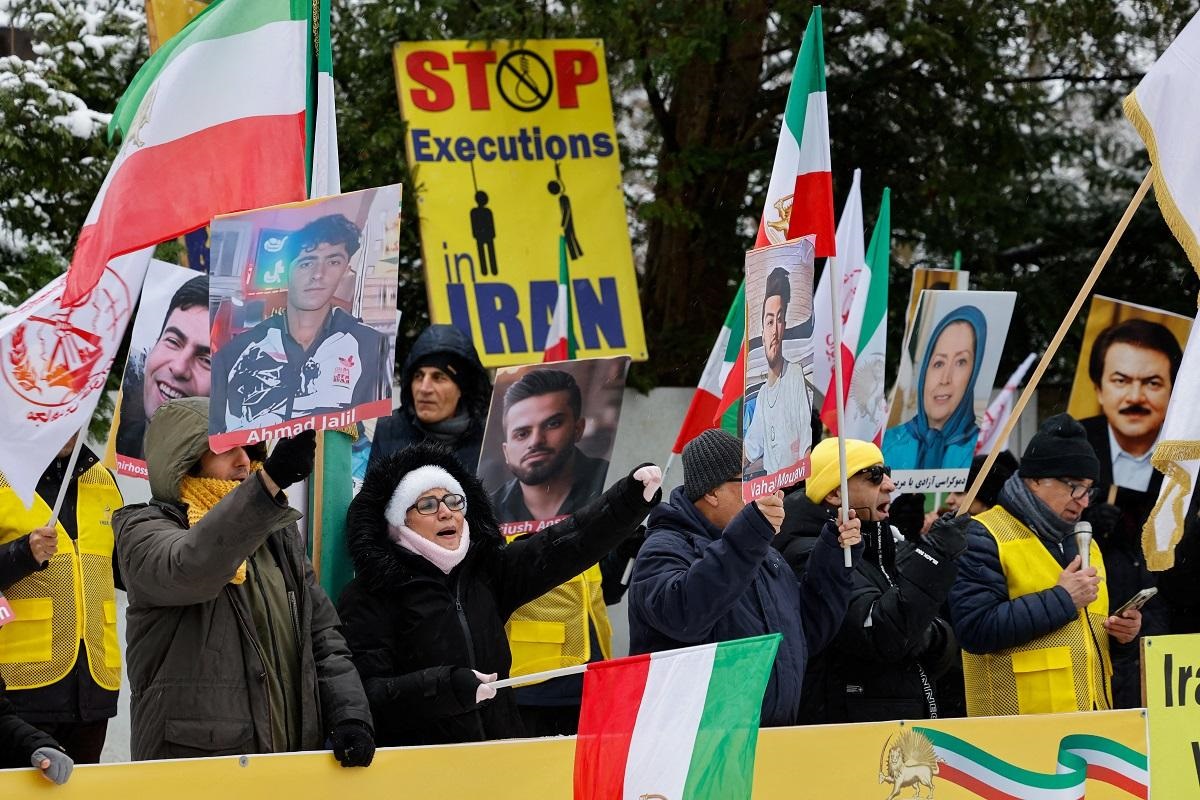
Demonstrators take to the streets in Tehran amid rising unrest and economic hardship during Iran protests 2026 deaths.
DUBAI, United Arab Emirates — Star Struck Times
At least 16 people have been killed in Iran over the past week in widespread protests driven by soaring inflation and economic hardship, rights groups reported Sunday, marking one of the most significant episodes of unrest in years. The demonstrations, which began with shopkeepers and bazaar traders, have spread to multiple provinces, leading to clashes with security forces amid arrests and a heavy crackdown. Reuters
The protests represent deepening frustration over Iran’s cost of living and widening dissatisfaction with clerical leadership. Officials have faced growing pressure to address mounting economic woes while also combating unrest they blame on foreign interference. Asharq Al-Awsat
Key Highlights
Rights groups report at least 16 deaths and hundreds of arrests amid week‑long unrest in Iran. Reuters
Demonstrations began over economic hardship and inflation above 36%. AnewZ
Security forces reportedly opened fire on protesters in western regions. AL-Monitor
Supreme Leader Ayatollah Khamenei has rejected concessions and called dissenters “enemies.” Asharq Al-Awsat
Protest activity has spread to major cities including Tehran and Qom. GMA Network
What Happened
Protests first erupted several days ago when bazaar traders struck in response to a sharp fall in the Iranian rial and rising living costs, expanding quickly to include students and urban residents. Demonstrators have staged rallies in cities across Iran, including Tehran, Ilam and Qom. Asharq Al-Awsat
Rights monitoring groups such as Hengaw and HRANA reported that dozens of protestors have been killed and many more detained. In several instances, clashes with security forces resulted in live fire exchanges, particularly in western provinces where Kurdish minority communities have been active. AL-Monitor Analysts note that these are among the largest protests in three years and signpost widespread discontent beyond isolated demonstrations. GMA Network
Public Reaction and Official Response
Iran’s Supreme Leader Ayatollah Ali Khamenei has publicly stated that the government will not back down to what it labels foreign instigation, asserting that rioters “must be put in their place.” Asharq Al-Awsat At the same time, President Masoud Pezeshkian has urged more conciliatory measures, acknowledging the economic pressures facing citizens, though concrete policy changes have yet to materialize. Reuters
On social media, many Iranians shared expressions of grief and calls for economic reform, while some international users have amplified footage of clashes and arrests. “We want dignity, not bullets,” wrote one online protester in Tehran. Another user posted: “We are afraid but we refuse to be silent.” (Translated from Farsi)
Why It Matters
Iran’s economy has been under strain due to renewed international sanctions, a depreciating currency, and persistent inflation exceeding 36% — factors that have significantly eroded living standards. AnewZ The current unrest highlights social and political fault lines within Iranian society, especially as various demographic groups express dissatisfaction with both economic conditions and political leadership.
Human rights advocates warn that a prolonged heavy‑handed response may deepen domestic discontent and prompt further international criticism. Analysts say Iran’s government is navigating a delicate balance between maintaining order and avoiding actions that could exacerbate tensions. (Human rights lawyer comment)
Context and Historical Comparison
The current protests echo demonstrations in 2022–2023, which were initially sparked by the death of Mahsa Amini and expanded into broader anti‑government sentiment. Though the latest wave began over economic grievances, observers say the scope and intensity reflect accumulated frustrations over governance and rights issues. Reuters Without substantial reforms, experts warn that pressure on Tehran could persist or intensify. (Political analyst commentary)
What Happens Next?
Authorities are expected to issue further statements on public order measures and may respond to international concerns about human rights. Protesters have signaled plans to continue rallies, though responses from security forces and potential dialogue with government officials will be key to the movement’s trajectory.
FAQs
Q1: Why are people protesting in Iran? Protests are largely driven by rising inflation, high unemployment and declining living conditions, prompting citizens to demand economic relief and greater political accountability.
Q2: How many people have died in the protests? Rights groups report at least 16 deaths during the week of demonstrations, though exact figures vary by source and verification status. Reuters
Q3: What has the Iranian government said? Supreme Leader Ayatollah Khamenei has rejected concessions and described protestors as influenced by foreign adversaries, while President Pezeshkian has called for consideration of public hardship. Asharq Al-Awsat
Q4: Are protests limited to one city? No — demonstrations and clashes have occurred in multiple cities including Tehran, Qom, Ilam and others. GMA Network
Q5: Could this unrest spread further? Analysts say if economic conditions worsen and grievances remain unaddressed, protests could continue or expand, potentially drawing broader segments of Iranian society.
Hello! I'm M Muzamil Shami, the founder and lead editor of Star Struck Times, your trusted source for trending news, entertainment scoops, celebrity gossip, sports highlights, and global headlines.
With a passion for storytelling and journalism, I created this platform to bring you breaking news, viral moments, and deep insights into the worlds of Bollywood, Hollywood, sports, politics, tech, and more — all in one place.