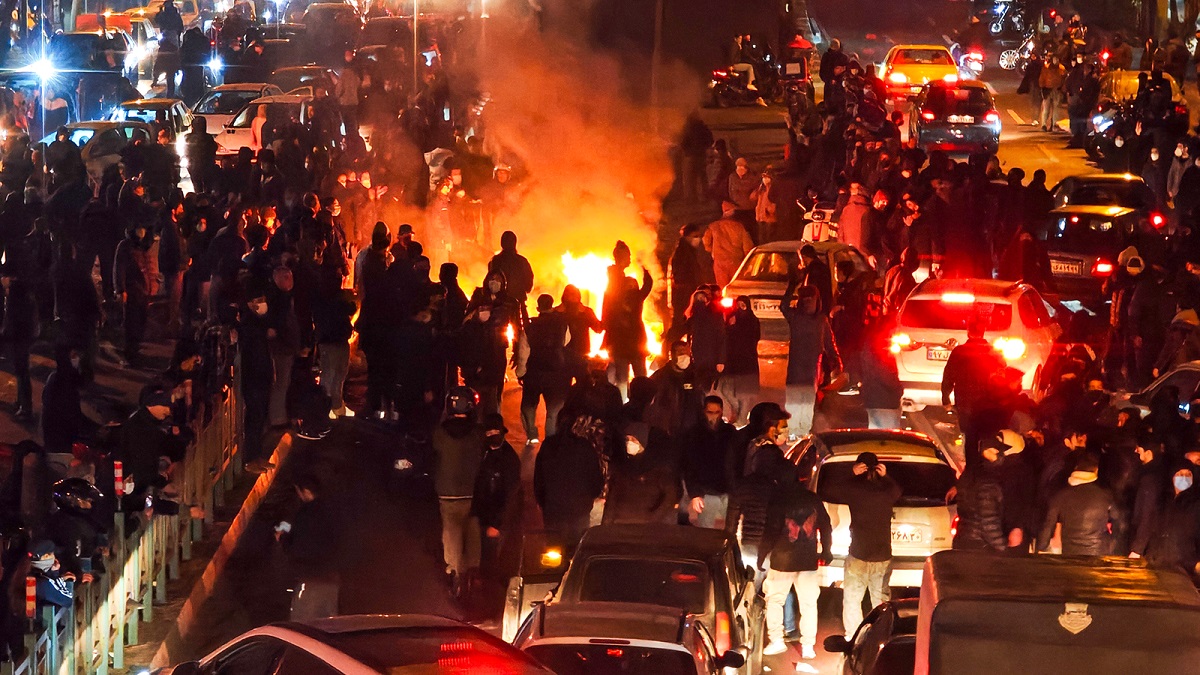
Protest scenes amid Iran protest crackdown 2026 as global reaction grows
Tehran, Iran — Star Struck Times
Iran is facing intensifying international scrutiny after a confidential report alleged that around 16,500 protesters have been killed during nationwide anti-government demonstrations, marking one of the deadliest crackdowns in the country’s modern history. The protests, which escalated across multiple provinces amid internet restrictions and mass arrests, have drawn sharp reactions from human rights groups and foreign governments. As diplomatic pressure mounts, Russia has stepped forward, with President Vladimir Putin signaling readiness to mediate regional tensions involving Iran and Israel, adding a new geopolitical dimension to the crisis.
Key Highlights
Report alleges 16,500 protest-related deaths across Iran
Demonstrations spread nationwide with severe internet blackouts
Human rights organizations demand independent investigations
Western governments condemn Tehran’s response
Russia offers to mediate amid rising Middle East tensions
What Happened in Iran’s Latest Protest Crackdown
The latest wave of protests erupted in late 2025, triggered by economic hardship, political restrictions, and public anger over governance. According to human rights monitors, demonstrations quickly spread from major cities such as Tehran, Mashhad, and Isfahan to smaller towns, overwhelming local security forces.
A confidential report cited by international media claims that security operations led to the deaths of approximately 16,500 people, with thousands more injured or detained. Iranian authorities have not confirmed the figures, instead describing the unrest as “foreign-backed riots.”
An analyst quoted by Reuters noted that the scale of force alleged would represent “an unprecedented internal security operation in Iran’s recent history,” underscoring the seriousness of the claims.
Official Response and International Reaction
Tehran has rejected accusations of mass killings, stating that security forces acted to maintain order. In a televised address, an Iranian official said, “The state will not tolerate chaos or violence disguised as protest.”
However, international reaction has been swift. The United Nations Human Rights Office called for unrestricted access to investigate alleged abuses, while the European Union warned of additional sanctions if credible evidence emerges.
A protester quoted by a regional broadcaster said, “People are scared, but silence feels worse than fear.” Another critic wrote online, “The world cannot look away from what’s happening in Iran.”
Reports from BBC News and The Guardian highlighted widespread internet shutdowns, a tactic previously used to limit information flow during unrest.
Why It Matters Regionally and Globally
The crackdown comes at a time of heightened instability in the Middle East. Analysts say prolonged unrest in Iran could disrupt regional security, energy markets, and diplomatic relations.
“Sustained internal pressure weakens Iran’s negotiating position abroad,” media analysts believe, particularly as tensions with Israel and the United States remain unresolved. The situation also raises concerns about refugee flows and broader human rights standards across the region.
For global audiences, the crisis reinforces debates over state power, civil liberties, and international accountability.
Russia’s Mediation Effort and Broader Context
Adding a diplomatic layer, Russian President Vladimir Putin has spoken with Iranian and Israeli leaders, offering Moscow’s services as a mediator. According to Reuters, Russia aims to prevent the crisis from escalating into a wider regional confrontation.
This is not the first time Iran has faced mass protests. Similar demonstrations in 2019 and 2022 were also met with heavy force, though current allegations suggest a far higher toll. Observers say past responses provide context for why global attention is now sharper and more urgent.
Related coverage: World News category on Star Struck Times
What Happens Next
International pressure is expected to intensify in the coming weeks, with potential sanctions debates at the UN and further diplomatic engagement led by Russia and regional actors. Whether Tehran allows independent investigations or eases restrictions could determine how the crisis evolves—and how the world responds.
FAQs
Q1: What triggered the latest protests in Iran? The protests were driven by economic strain, political grievances, and public frustration with governance. They spread rapidly nationwide, fueled by social media before internet restrictions were imposed.
Q2: Has Iran confirmed the reported death toll? No. Iranian authorities have rejected the figures, calling them exaggerated and politically motivated, while independent verification remains limited due to access restrictions.
Q3: Why is Russia involved in mediation? Russia maintains strategic ties with Iran and seeks to prevent regional instability that could affect its own geopolitical interests in the Middle East.
Q4: How has the international community reacted? Western governments and human rights groups have condemned the crackdown, urging investigations and warning of possible sanctions if abuses are confirmed.
Stay informed with verified global reporting. Follow Star Struck Times for ongoing updates on this developing international story.
Hello! I'm M Muzamil Shami, the founder and lead editor of Star Struck Times, your trusted source for trending news, entertainment scoops, celebrity gossip, sports highlights, and global headlines.
With a passion for storytelling and journalism, I created this platform to bring you breaking news, viral moments, and deep insights into the worlds of Bollywood, Hollywood, sports, politics, tech, and more — all in one place.