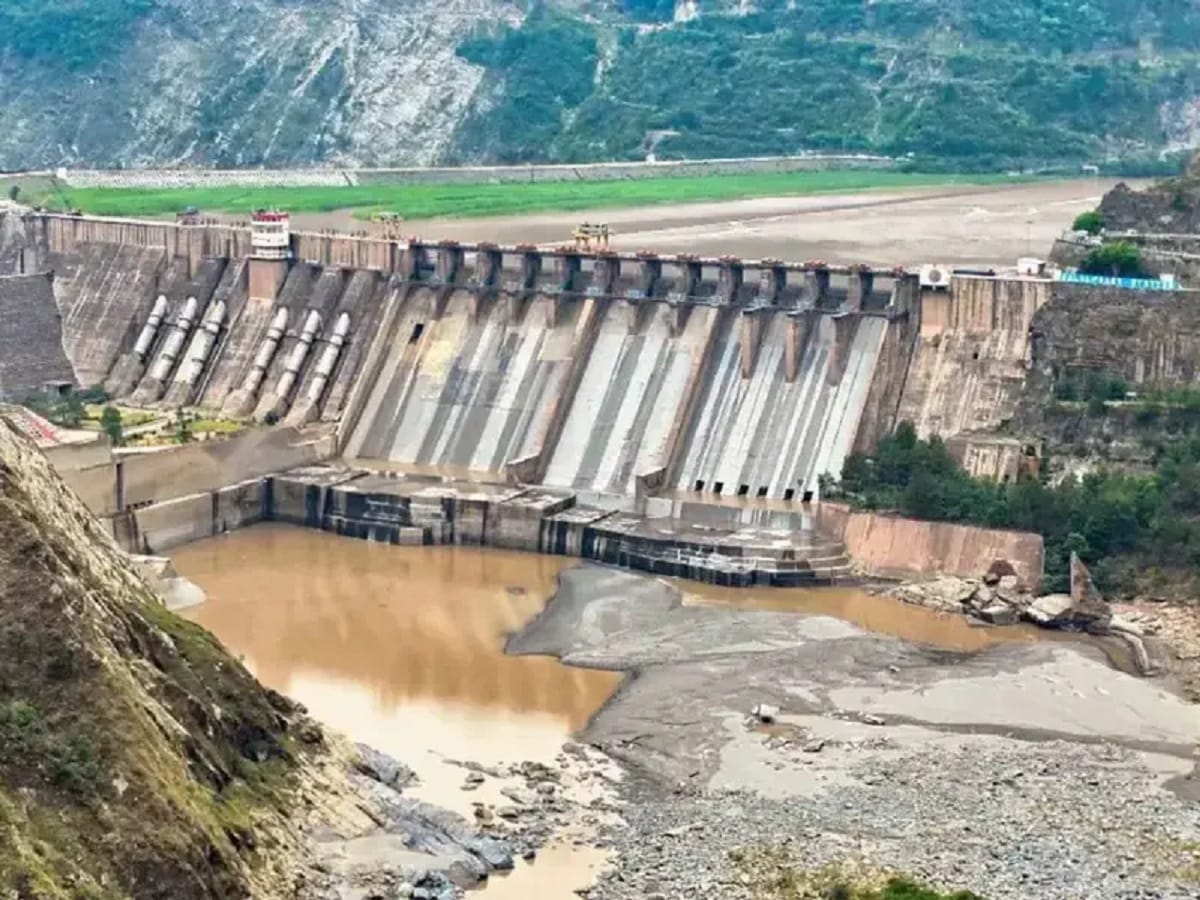
Kabul, AFGHANISTAN (Star Struck Times) – The Taliban government has ordered the rapid construction of a major dam on the Kunar River, raising urgent concerns about downstream water supplies for Pakistan and escalating regional water-security tensions.
In a bold move announced late Friday, the Taliban-led Afghan government confirmed it will build a dam on the Kunar River “as fast as possible”, in what officials describe as a reclaiming of national water sovereignty — a development that could dramatically reduce the flow of water into Pakistan’s northern agricultural regions. According to the Afghan Ministry of Water and Energy, the directive was issued by Supreme Leader Mawlawi Hibatullah Akhundzada and mandates domestic Afghan firms to carry out the work without foreign involvement.
The Kunar River — known as the Chitral River once it crosses into Pakistan’s Khyber-Pakhtunkhwa region — originates in Afghanistan’s Hindu Kush mountains and flows approximately 480 km through Kunar and Nangarhar provinces before joining the Kabul River and later the Indus basin. Pakistan’s irrigation infrastructure, particularly in Khyber-Pakhtunkhwa and Punjab provinces, relies heavily on downstream flows of these waters.

“The Kabul and Kunar rivers, which flow into Pakistan, have long been a source of water in Pakistan,” noted London-based Afghan journalist Sami Yousafzai. “After India, it may now be Afghanistan’s turn to restrict Pakistan’s water supply.”
The timing coincides with heightened regional tensions: only weeks earlier, Afghanistan and Pakistan engaged in deadly clashes along the contested Durand Line border. The decision also comes on the heels of India’s suspension of parts of the historic Indus Waters Treaty, under which India shares water from western rivers with Pakistan.
Pakistan’s agricultural heartland could feel the impact quickly. Analysts warn that any substantial reduction in Kunar flows would cascade into the Kabul and then Indus systems, reducing water availability for irrigation, power generation and domestic needs. Islamabad has already expressed concern in private that Kabul’s unilateral moves could trigger a broader regional water crisis.
In response to the announcement, a Pakistani water-resources official, speaking anonymously, told local media: “We are monitoring the situation closely… any upstream restrictions will affect our project planning and agricultural output in Khyber-Pakhtunkhwa and Punjab.” Meanwhile Afghan deputy information minister Muhajer Farahi tweeted that the dam construction contracts will be signed with “internal companies rather than wait for foreign firms”.
Observers argue this move signals a shift in Afghanistan’s posture toward its water resources. Since taking power in 2021, the Taliban government has made clear its intent to control hydropower and irrigation infrastructure — the Kunar project appears to be the most strident example yet. One water-security expert commented: “Afghanistan is recognizing water as a strategic asset, not just an economic or environmental one.”
For Pakistan, which already ranks among the most water-stressed countries globally, the announcement adds to a mounting list of vulnerabilities. Agriculture uses about 90 % of the country’s water, and any upstream disruption could further strain food security, energy supply and rural livelihoods. The Pakistani government has not yet issued a public statement, but internal cables suggest contingency planning is under way.
Kabul, for its part, is framing the decision as an exercise of sovereignty and development ambition, rather than aggression. A joint Afghan-Indian statement issued this week underscored cooperation in hydropower and sustainable water-management, even as in practice Kabul moves unilaterally on the Kunar programme.

As the world watches one of South Asia’s most vulnerable water corridors, the Kunar dams plan raises more questions than answers: Will Afghanistan proceed unilaterally? Will Pakistan challenge the move diplomatically or through multilateral mechanisms? How will India respond, given its past projects and treaty changes? The verdict remains to be seen, but the ripple effects are already spreading.
FAQs
Q: Which river is involved?
A: The Kunar River (also called Chitral River in Pakistan) flows from northeastern Afghanistan into Pakistan.
Q: What is being planned?
A: A dam (or dams) to be constructed by Afghanistan’s Taliban government, aimed at controlling the flow of water into Pakistan.
Q: Why does this matter to Pakistan?
A: Downstream flows feed the Kabul and Indus river systems, which support irrigation, power generation and drinking water in Pakistan’s north-west and Punjab.
Q: Is there a formal water-sharing treaty between Afghanistan and Pakistan?
A: No major comprehensive treaty currently governs the Kunar/Kabul system between Kabul and Islamabad.
Q: What could Pakistan do?
A: Islamabad could lodge diplomatic protests, raise the matter in regional forums, increase bilateral dialogue, or seek alternate sources and expand internal storage.
Stay tuned to Star Struck Times for real-time updates on this developing story. Comment your thoughts below and share this article to inform others.