Pakistani officials claim sudden water releases from India’s Chenab River dams threaten regional stability and agriculture.
Deputy PM Ishaq Dar claims India’s unannounced water releases violate the Indus Waters Treaty, raising fears for Pakistan’s agriculture and regional stability.
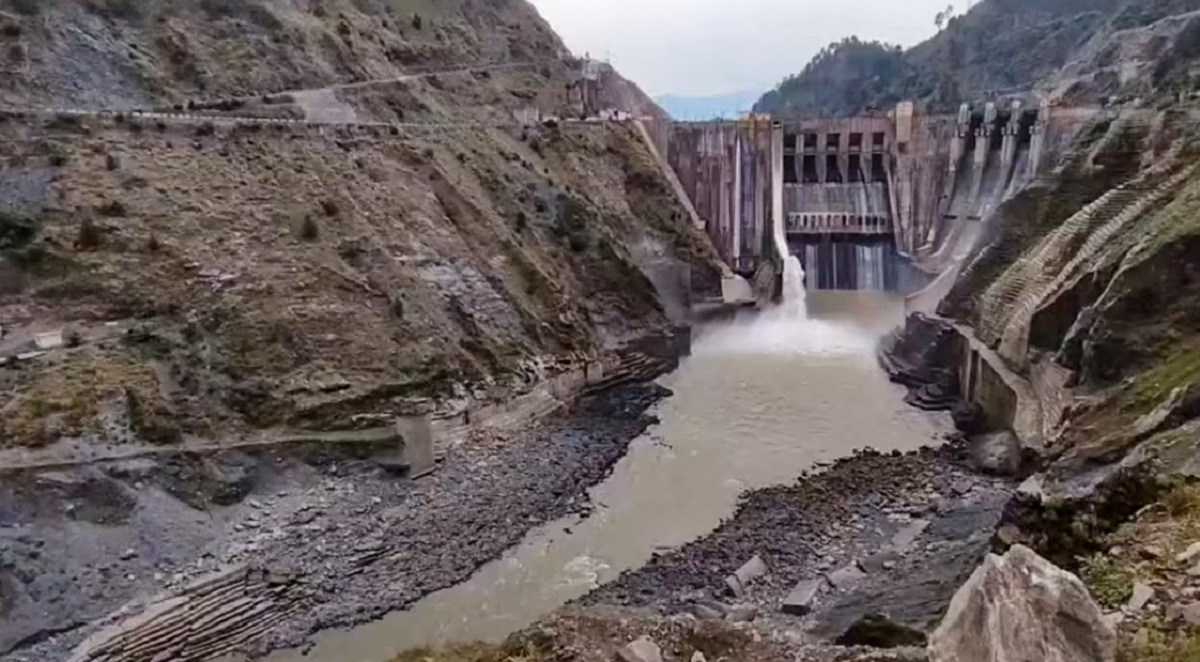
On December 20, 2025, Pakistan’s Deputy Prime Minister Ishaq Dar publicly accused India of “weaponizing water” after sudden releases from dams along the Chenab River. The statement, delivered during a press briefing in Islamabad, highlighted concerns over the impact on Pakistan’s agricultural sector and rural livelihoods. The allegations come amid ongoing tensions over the Indus Waters Treaty, which governs river sharing between the two nations. The announcement immediately drew attention across national and international media platforms, including AP News, reflecting growing apprehensions about regional stability.
Key Points
Pakistan accuses India of “weaponizing water” on December 19, 2025.
Alleged sudden water release threatens agriculture in Punjab and Sindh.
Deputy PM Ishaq Dar highlighted treaty violations during an AP News interview.
Social media shows mixed reactions, trending concerns about livelihoods and stability.
Analysts stress diplomatic resolution under the Indus Waters Treaty framework.
What Sparked the Controversy?
On December 19, 2025, India reportedly released significant volumes of water from upstream dams on the Chenab River without notifying Pakistani authorities. According to Deputy PM Ishaq Dar, this sudden action jeopardizes irrigation-dependent farmland across Punjab and Sindh provinces. The Chenab River, a key tributary under the Indus Waters Treaty, supplies water to millions of Pakistani farmers. Dar’s statement, cited in an AP News interview, described India’s conduct as “deliberate” and “destabilizing,” framing it as a direct threat to both livelihoods and bilateral relations between the neighboring countries.
How Fans and Social Media Reacted
Social media immediately reflected mixed reactions. Pakistani users expressed outrage over the alleged water manipulation, with hashtags trending on Twitter and Facebook. Analysts and regional experts offered nuanced takes, suggesting potential environmental and diplomatic ramifications. Meanwhile, some commentators cautioned against framing the incident as an immediate security threat, highlighting the need for diplomatic engagement. Overall, public sentiment leaned toward concern for farmers and regional stability, but discussions also included calls for calm and adherence to treaty-based conflict resolution.
Why This Story Matters
This water dispute carries significant cultural, economic, and geopolitical implications:
Agricultural Impact: Pakistan relies on the Chenab River for irrigation. Sudden water fluctuations threaten crop cycles and food security, especially in Punjab, known as the “breadbasket of Pakistan.”
Bilateral Relations: Experts note that disputes over water rights have historically strained Indo-Pak relations. Media analysts believe that unchecked allegations of “weaponization” could complicate diplomatic negotiations and affect trade or security dialogues.
Legal Precedent: The Indus Waters Treaty, brokered in 1960, is one of the few enduring water-sharing agreements globally. Pakistan’s accusations underscore the treaty’s fragility amid modern hydro-political challenges.
Regional Stability: Water conflicts in South Asia often escalate into broader geopolitical tensions. The international community, including UN water conflict specialists, monitors such incidents for potential escalation.
This story illustrates how natural resources can become flashpoints for broader international disputes, highlighting the intersection of environmental management and security policy.
Related Developments or Past Incidents
Pakistan and India have previously clashed over water releases from the Chenab and Jhelum rivers. In 2018, sudden dam water discharges caused localized flooding, sparking diplomatic protests. Analysts note a recurring pattern where hydropower and irrigation projects intersect with national security concerns. For more past water disputes between the two nations, visit our Global Security & Conflict Updates category.
What Happens Next?
Authorities in Pakistan are reportedly considering formal diplomatic channels to address the dispute. India has yet to issue an official response. Experts predict bilateral meetings or mediation through the Indus Waters Treaty framework in early 2026. While public concern remains high, analysts suggest immediate escalation is unlikely if dialogue is maintained. Pakistan’s agricultural sectors will continue monitoring river flow patterns closely, anticipating potential future water management conflicts.
FAQ Section
Q1: What is the Indus Waters Treaty? The Indus Waters Treaty, signed in 1960, allocates river waters between India and Pakistan. It governs the flow of the Chenab, Jhelum, and Indus rivers, aiming to prevent conflicts over water use.
Q2: Why is the Chenab River important to Pakistan? The Chenab River provides irrigation for Punjab and Sindh, supporting millions of farmers and contributing to the nation’s food security and economy.
Q3: Could this lead to military tensions? While water disputes increase political strain, experts believe that diplomatic and treaty-based mechanisms reduce the likelihood of immediate military escalation.
Stay updated on Indo-Pak water disputes and regional security developments. Follow Star Struck Times for verified news, expert analysis, and in-depth reports.
Hello! I'm M Muzamil Shami, the founder and lead editor of Star Struck Times, your trusted source for trending news, entertainment scoops, celebrity gossip, sports highlights, and global headlines.
With a passion for storytelling and journalism, I created this platform to bring you breaking news, viral moments, and deep insights into the worlds of Bollywood, Hollywood, sports, politics, tech, and more — all in one place.
2 thoughts on “Why Pakistan Accuses India of Weaponizing Water Amid Chenab River Dispute”
Thank you for your sharing. I am worried that I lack creative ideas. It is your article that makes me full of hope. Thank you. But, I have a question, can you help me?








Thank you for your sharing. I am worried that I lack creative ideas. It is your article that makes me full of hope. Thank you. But, I have a question, can you help me?
Your article helped me a lot, is there any more related content? Thanks!