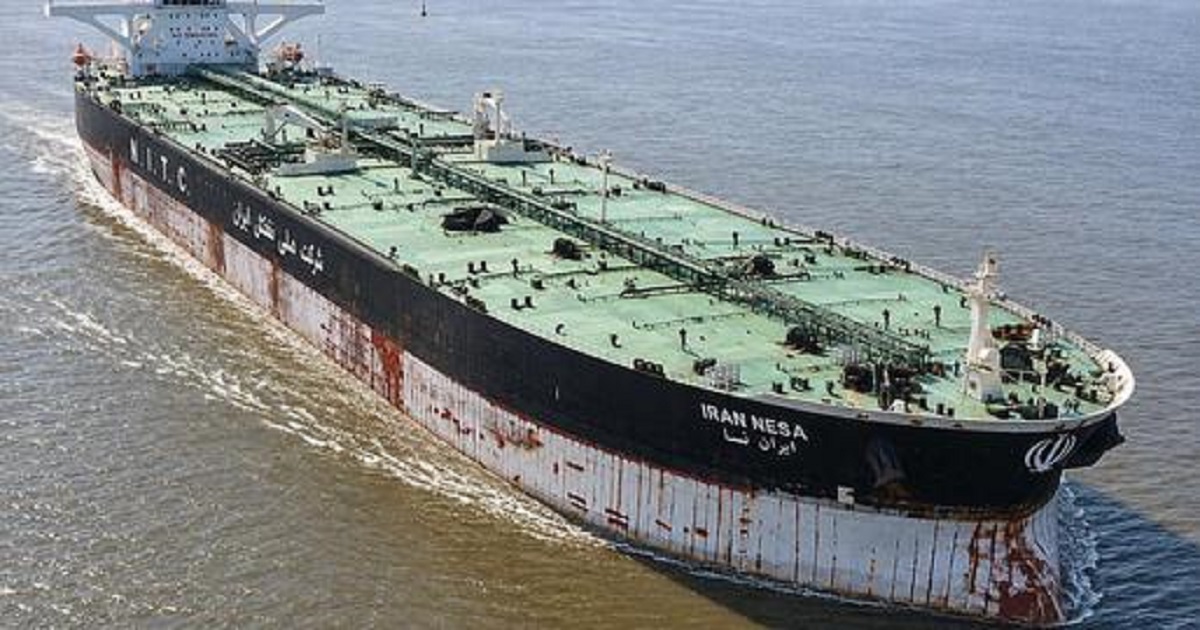
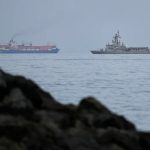
More than 14 Iranian oil tankers have reportedly gathered near Kharg Island, a major crude export terminal.
Iranian hardliners are pushing for a tanker convoy to challenge the US naval blockade, with China identified as its proposed destination.
Iran’s Foreign Minister Abbas Araghchi has said the blockade must be broken.
No Iranian official has confirmed that a convoy has been formally ordered or that the tankers have begun the journey.
A separate report claiming an Iranian tanker crossed the Strait of Hormuz was challenged by tracking specialists, who called its signal fake.
Iran’s Tanker Convoy Proposal Puts China Destination in Focus
Iran is facing renewed pressure from the US naval blockade as more than 14 oil tankers have reportedly gathered near Kharg Island, raising the possibility of a coordinated attempt to move Iranian crude exports through restricted waters. Iranian hardliners are advocating a tanker convoy that would challenge the blockade and head towards China, one of the major destinations for Iranian oil. However, Tehran has not officially confirmed that the proposed convoy has been approved or will sail. Euronews+2
The proposal has attracted attention because it could turn an already tense confrontation into a direct test of Washington’s ability to restrict Iranian oil shipments. China is particularly significant because Iranian hardliners have explicitly identified it as the intended destination for the proposed convoy, although there is no verified evidence that the assembled tankers have received confirmed Chinese-bound cargo orders.
Iran’s Kharg Island Tanker Buildup
Kharg Island is central to Iran’s oil-export infrastructure. The terminal handles approximately 85% to 90% of the country’s crude exports, making it particularly important to Tehran’s ability to generate revenue from international oil sales.
Satellite imagery and ship-tracking information cited by Euronews indicate that more than 14 tankers have gathered around the island. Reports say crews have been assigned and Iranian flags raised on the vessels as preparations for a possible convoy continue.
The reported buildup does not, by itself, establish that the ships have departed or successfully crossed the blockade. Euronews+1
Tehran Says the Blockade Must Be Broken
Iranian Foreign Minister Abbas Araghchi reinforced Tehran’s position on Friday, saying the United States’ naval blockade must be broken.
Speaking to the Iranian Labor News Agency (ILNA), Araghchi said Iran was making every effort to continue oil exports while also pursuing negotiations.
His remarks came amid increasingly forceful statements from Iranian hardliners. A proposal published by the Revolutionary Guards-affiliated Fars News Agency called for tankers to sail towards China and warned of potential retaliation against energy infrastructure in the Gulf if the United States attacked the vessels.
These threats represent statements from Iranian hardliners and should not be confused with a confirmed military decision by Iran’s government. Iran International | Iran International+1
US Tightens Restrictions on Iranian Oil Shipments
Washington has also increased pressure on shipping networks that could help Iran move crude despite the blockade.
In a November 18 report, Reuters said a US maritime advisory warned that ships receiving cargo at sea from vessels carrying goods loaded at Iranian ports or along the Iranian coastline could be treated as attempting to evade the blockade.
US forces could stop, board, divert or capture vessels involved in such transfers, according to the advisory.
This measure is significant because it targets not only ships leaving Iranian ports but also the wider network of vessels involved in transferring Iranian cargo at sea. It could make alternative shipping arrangements more difficult and increase the risks for companies transporting Iranian oil. Reuters+1
False Tanker Signal Adds Uncertainty
Another development has highlighted the difficulty of verifying maritime movements during the confrontation.
MarineTraffic data appeared to show an Iranian tanker named Khat-Shekan sailing through the Strait of Hormuz. However, TankerTrackers disputed the information, describing the signal as a spoof and saying satellite imagery did not support the reported movement.
The distinction matters: a vessel appearing on an automatic identification system (AIS) tracking platform does not necessarily prove that it exists at the reported location.
The disputed signal should therefore not be treated as evidence that Iran has already broken the blockade. Euronews+1
Why China Is Important to the Standoff
China’s proposed role as the destination adds an important economic dimension to the confrontation.
For Tehran, reaching buyers in Asian markets could help restore oil revenue at a time when restrictions are placing pressure on its export operations. For Washington, preventing Iranian crude from reaching international buyers remains a central objective of the blockade.
The immediate question is not simply whether Iran can assemble a tanker convoy. It is whether those vessels can safely navigate the restrictions, reach their intended buyers and complete deliveries without triggering further confrontation.
As of November 22, the reported tanker buildup and the proposal to sail towards China remain significant developments, but an officially confirmed convoy departure or successful passage has not been established.
Hello! I'm M Muzamil Shami, the founder and lead editor of Star Struck Times, your trusted source for trending news, entertainment scoops, celebrity gossip, sports highlights, and global headlines.
With a passion for storytelling and journalism, I created this platform to bring you breaking news, viral moments, and deep insights into the worlds of Bollywood, Hollywood, sports, politics, tech, and more — all in one place.