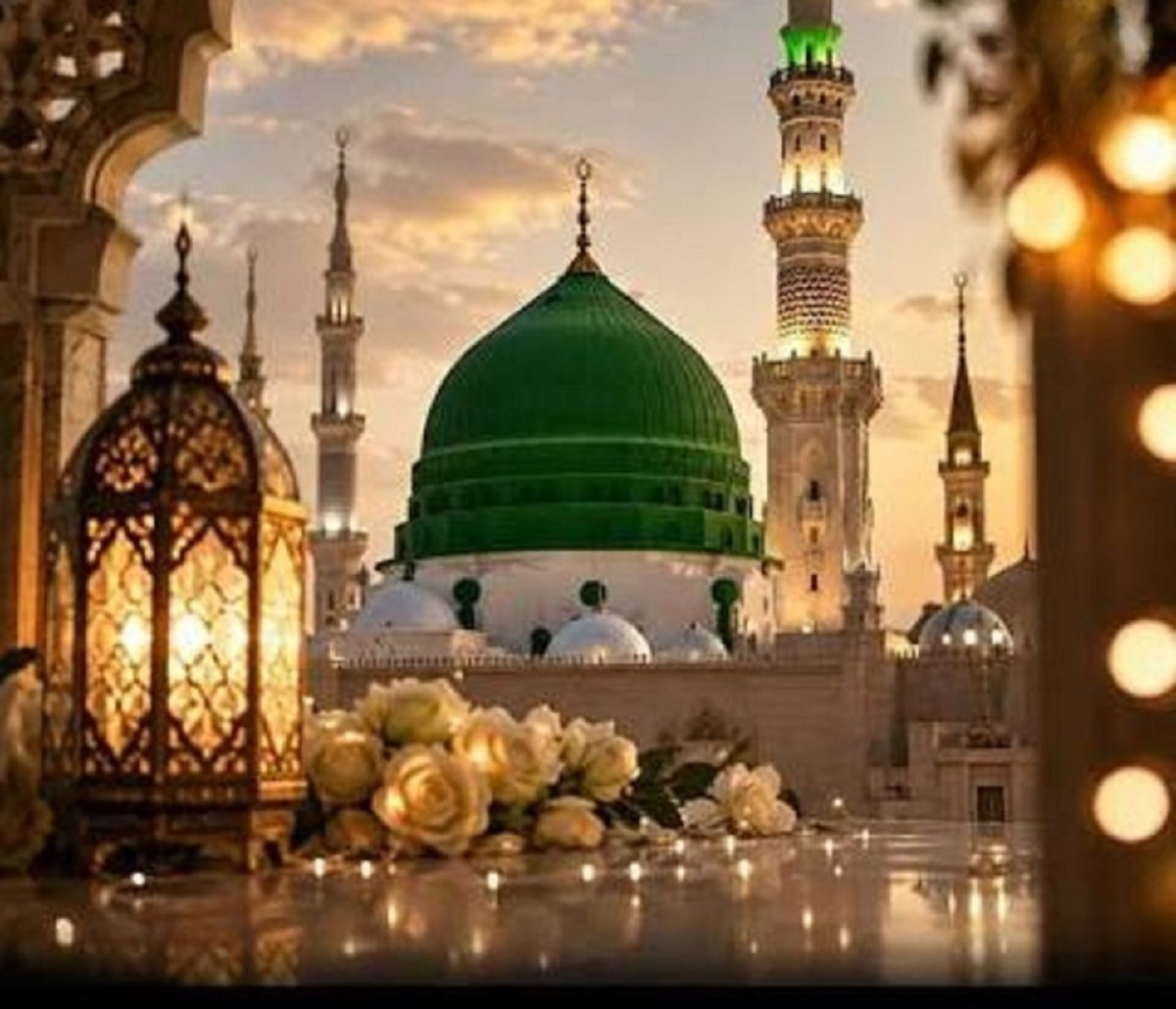
Pakistan observes Eid Milad-un-Nabi 2026 with religious gatherings and processions amid heightened security.
Pakistan is marking Eid Milad-un-Nabi 2026 today, Wednesday, August 26, with religious gatherings, processions, prayers and public celebrations across the country, as authorities maintain heightened security around major routes and venues.
The occasion falls on 12 Rabi-ul-Awwal 1448 AH, and the federal government declared August 26 a public holiday for Eid Milad-un-Nabi. The Cabinet Division’s notification confirmed the date as a nationwide public holiday.
Across Pakistan, streets, buildings and religious sites have taken on a festive appearance, while thousands of police personnel have been assigned to protect processions and gatherings. In Karachi alone, 4,208 police personnel have been deployed, while Punjab has mobilised more than 55,000 personnel for thousands of gatherings and processions.
For many Pakistanis, however, the day represents more than a public holiday. It is a deeply religious occasion centred on remembrance, devotion and reflection on the life and teachings of the Holy Prophet Muhammad (PBUH).
Key Points
Eid Milad-un-Nabi 2026 Pakistan is being observed on Wednesday, August 26.
The occasion corresponds to 12 Rabi-ul-Awwal 1448 AH.
The federal government declared August 26 a public holiday.
Religious gatherings and processions are taking place in cities across Pakistan.
Karachi has deployed 4,208 police personnel for security.
Punjab has deployed more than 55,000 police personnel for around 4,500 gatherings and processions.
Banks and financial institutions are also closed on August 26.
President Asif Ali Zardari and Prime Minister Shehbaz Sharif have urged citizens to draw guidance from the Prophet’s life and teachings.
Eid Milad-un-Nabi 2026: Why August 26 Matters Across Pakistan
The date has been closely watched in Pakistan because 12 Rabi-ul-Awwal is traditionally associated with the commemoration of the birth of the Holy Prophet Muhammad (PBUH).
The federal government’s decision to declare August 26 a holiday was formally announced several days before the occasion. According to Dawn, the Cabinet Division notification stated that the prime minister had approved August 26, 2026, as a public holiday on the occasion of Eid Milad-un-Nabi.
The holiday has also had a practical effect on everyday life.
The State Bank of Pakistan announced that it, along with banks, microfinance banks and development finance institutions, would remain closed on Wednesday in observance of the occasion.
For families, communities and religious organisations, the day provides an opportunity to gather for prayers, religious programmes, recitations and discussions focused on the Prophet’s character and teachings.
Religious Fervor Meets Extraordinary Security Measures
One of the defining features of Eid Milad-un-Nabi celebrations in Pakistan this year is the scale of the security operation.
Authorities have prepared extensive plans because large processions can draw substantial crowds and affect traffic across major urban centres.
In Karachi, police said 4,208 personnel were deployed to protect religious rallies and gatherings. The main 12th Rabi-ul-Awwal procession at Nishtar Park has received particular attention, with 397 officers and personnel assigned to its security and another 362 stationed at entry points, according to police figures reported by Dawn.
Authorities are also using CCTV monitoring and coordinating with traffic police to keep procession routes secure and manage congestion.
The security emphasis is not limited to Karachi.
Punjab Deploys 55,000 Personnel
Punjab has undertaken one of the largest security operations connected to the occasion.
According to Dawn, Punjab Police deployed more than 55,000 officers and personnel for approximately 4,500 gatherings and processions throughout the province. The figures include 1,436 Milad gatherings and 2,479 processions.
Lahore alone is hosting hundreds of religious gatherings and processions, with more than 8,000 officers, personnel and volunteers assigned to security duties in the provincial capital.
Police officials said the Counter Terrorism Department would monitor major gatherings alongside field and district police, while Safe City cameras would be used for surveillance.
The measures illustrate the complicated reality surrounding major religious events in Pakistan: communities want to celebrate openly and collectively, while authorities must simultaneously protect large crowds and keep roads and public spaces functioning.
Karachi Prepares for Major Eid Milad Processions
Karachi’s preparations have been particularly extensive.
Police authorities instructed officers to remain on high alert along procession routes, while traffic officials were tasked with keeping vehicles moving around affected areas.
The metropolis police chief also directed officials to monitor the security situation through CCTV cameras.
For residents, that means the celebration can also bring temporary changes to familiar routines, including traffic diversions, restricted access around certain locations and heavier police presence.
Yet those practical disruptions exist alongside the emotional significance of the occasion.
In neighbourhoods across Karachi, Lahore, Islamabad, Rawalpindi and other cities, Eid Milad decorations, green flags, lights and religious banners have become part of the visual atmosphere surrounding the day.
PM Shehbaz and President Zardari Call for Reflection
The political leadership has placed particular emphasis on translating the Prophet’s teachings into everyday conduct.
President Asif Ali Zardari and Prime Minister Shehbaz Sharif both issued messages on Eid Milad-un-Nabi, urging the nation to take guidance from the life and teachings of the Holy Prophet (PBUH).
According to Dawn, Zardari emphasised values including justice, fairness, tolerance and interfaith harmony.
Prime Minister Shehbaz Sharif called for collective lives to be shaped by Islamic guidance as Pakistan confronts economic, social and moral challenges. He also spoke of the goal of building a strong, prosperous, peaceful and welfare-oriented Pakistan.
That message gives this year’s celebration an important dimension beyond ceremonies.
For many people observing Eid Milad-un-Nabi 2026, the question is not simply how the occasion is celebrated, but how the values associated with the Prophet’s life can be reflected in personal behaviour and society.
What Is Eid Milad-un-Nabi?
Eid Milad-un-Nabi, also known as Mawlid or Milad al-Nabi, is a commemoration observed by many Muslims to remember the birth of the Prophet Muhammad (PBUH).
The manner and extent of observance differ among Muslim communities and schools of thought. In Pakistan, public Milad gatherings and processions have become an established feature of the religious calendar.
Common activities can include religious lectures, recitation of naat, prayers, charitable activities, community meals, decorations and processions.
The focus for many participants is remembrance, love and reflection on the Prophet’s example.
How Is Eid Milad-un-Nabi Celebrated in Pakistan?
Celebrations vary from city to city and from community to community.
Typical Eid Milad-un-Nabi celebrations in Pakistan may include:
In larger cities, the public dimension is particularly visible because major processions can involve large numbers of participants.
Authorities therefore combine celebration planning with traffic management and security measures.
A Day of Celebration — and a Reminder of Responsibility
There is a natural tension at the heart of any huge public celebration.
The larger the gathering, the greater the logistical challenge.
This year’s security figures underline just how seriously authorities are approaching that responsibility. Thousands of police personnel across Karachi and Punjab are working while much of the country observes a holiday.
That security presence can seem striking against the festive backdrop of illuminated buildings and religious processions, but it serves a straightforward purpose: allowing people to gather while protecting lives and maintaining public order.
For ordinary families, meanwhile, the day remains much more personal.
A holiday may mean time away from work. A procession may mean standing among neighbours. A naat may evoke childhood memories. A family gathering may become a yearly tradition.
Those small moments are often what transform a national religious occasion into a deeply personal experience.
Eid Milad-un-Nabi 2026 and the Bigger Conversation
The most meaningful aspect of Eid Milad-un-Nabi 2026 Pakistan may ultimately have little to do with decorations or the scale of a procession.
The messages from the country’s leadership have repeatedly returned to themes of justice, compassion, tolerance, service and social responsibility.
That creates a broader question for the day: how can remembrance become action?
For believers, the answer may involve showing greater kindness to family members, helping someone in need, practising honesty, supporting vulnerable people or simply treating others with greater dignity.
The public celebrations may last a day, but the principles being discussed are intended to extend far beyond it.
Is Eid Milad-un-Nabi a public holiday in Pakistan in 2026?
Yes. The federal government declared Wednesday, August 26, 2026, a public holiday for Eid Milad-un-Nabi, corresponding to 12 Rabi-ul-Awwal 1448 AH.
What is the date of Eid Milad-un-Nabi 2026 in Pakistan?
Eid Milad-un-Nabi 2026 is being observed on August 26, 2026, which corresponds to 12 Rabi-ul-Awwal 1448 AH according to the government notification.
How is Eid Milad-un-Nabi celebrated in Pakistan?
Many communities mark the occasion through religious gatherings, naat recitations, prayers, processions, decorations and charitable activities. The scale and style of observance varies between communities.
Are banks closed on Eid Milad-un-Nabi 2026?
Yes. The State Bank of Pakistan announced that banks and relevant financial institutions would remain closed on August 26 for Eid Milad-un-Nabi.
Why are security arrangements so extensive this year?
Large processions and gatherings require significant crowd-management and security planning. Karachi deployed 4,208 police personnel, while Punjab deployed more than 55,000 personnel for thousands of gatherings and processions.
The Human Meaning Behind Eid Milad-un-Nabi
News coverage naturally focuses on the public side of the occasion: the holiday notification, procession routes, road closures, police deployment and official messages.
But behind those headlines are millions of individual experiences.
A child seeing a neighbourhood decorated for the first time. A family preparing food for guests. Worshippers gathering for a religious programme. Volunteers helping manage a crowd. Someone quietly reflecting on the qualities they want to bring into their own life.
That is the quieter story of Eid Milad-un-Nabi 2026.
The celebrations are visible from the streets, but the meaning of the occasion is ultimately carried in people’s homes, communities and personal reflections.
As Pakistan observes 12 Rabi-ul-Awwal, the central message from national leaders is clear: remembrance should be accompanied by an effort to embody values such as compassion, justice, tolerance and service.
What does Eid Milad-un-Nabi mean to you — is it the public celebration, the religious reflection, the family traditions, or all three? Share your thoughts below.
Hello! I'm M Muzamil Shami, the founder and lead editor of Star Struck Times, your trusted source for trending news, entertainment scoops, celebrity gossip, sports highlights, and global headlines.
With a passion for storytelling and journalism, I created this platform to bring you breaking news, viral moments, and deep insights into the worlds of Bollywood, Hollywood, sports, politics, tech, and more — all in one place.