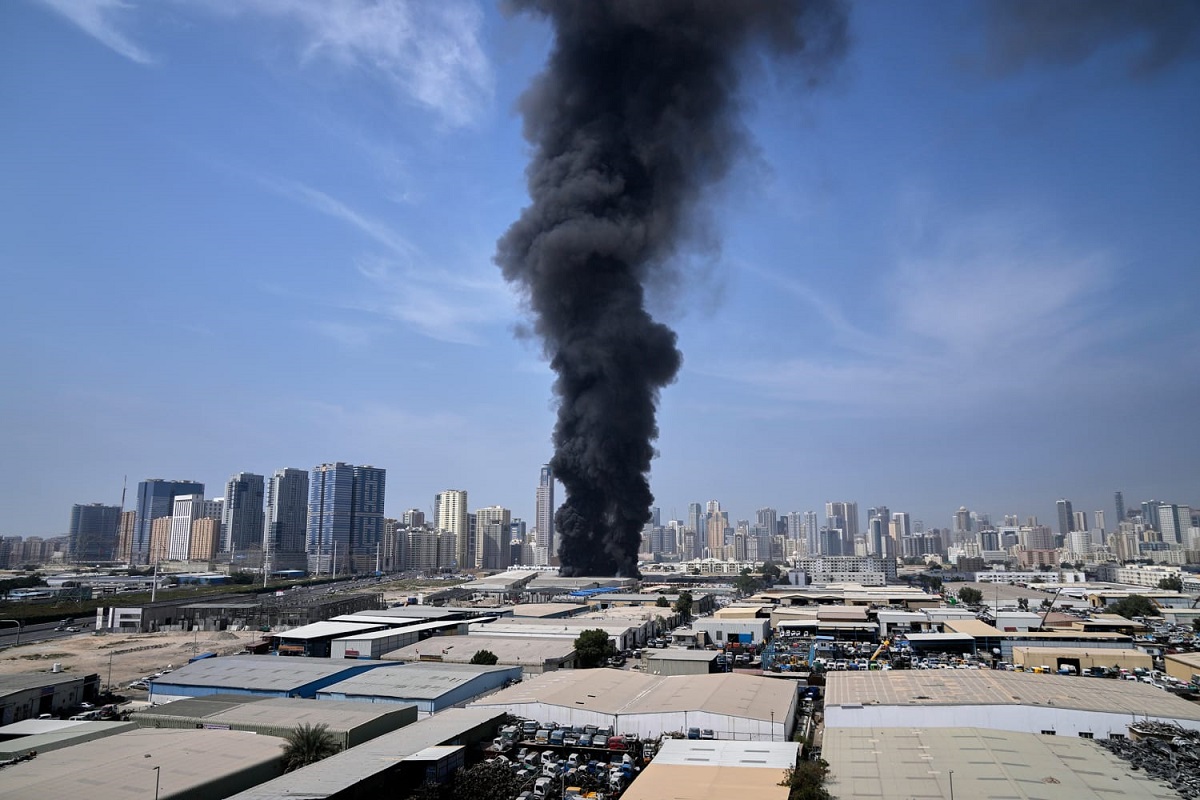
A catastrophic expansion of the Middle East conflict looms as the Iranian Armed Forces issued a stern warning directly to neighboring Gulf states: facilitate American military operations against Iranian territory, and face direct retaliation. The explosive ultimatum follows hours after the United Arab Emirates enacted a complete freeze on all trade and financial transactions with Tehran. The move marks an extraordinary economic fracture between historically interwoven trade partners.
With diplomatic channels fracturing, Iranian military leadership claimed that host countries in the region cannot ignore the massive movement of US combat and refueling aircraft operating out of local military facilities. Meanwhile, high-stakes political posturing intensifies. Tehran publicly rejected talk of a quick ceasefire, insisting that any resolution must fully end the active military confrontation. Concurrently, Washington signaled a hardline posture, downplaying hopes for an immediate peace agreement while maintaining a tight naval blockade near the Strait of Hormuz.
Key Points
The Military Threat: Major General Ali Abdollahi, chief of staff of the Iranian armed forces, announced that providing logistical or operational assistance to the US military equals active participation in combat.
The Economic Sanctions: The UAE completely suspended all commercial exchange, banking, and trade ties with Iran, citing severe regional escalations.
No Ceasefire In Sight: Tehran reiterated that temporary pauses in fighting are off the table. Iranian leadership insists the conflict must end entirely.
Deadlock at Sea: The Strait of Hormuz remains heavily guarded and contested, keeping energy supply routes on edge worldwide.
Geopolitical Breakdown at a Glance
Country / Actor
Strategic Action Taken
Immediate Regional Impact
Iran (Armed Forces)
Issued military warnings to Gulf nations aiding US forces.
Direct strike threats against bases facilitating US combat flights.
United Arab Emirates
Cut all economic, financial, and trade ties with Iran.
Severe trade blockages; complete freeze on commercial shipping lanes.
Heightened base defense readiness across regional installations.
The Crumbling Neutrality of the Persian Gulf
The fragile balance that once allowed Gulf Cooperation Council (GCC) countries to balance alliances with Washington alongside commercial ties to Tehran has collapsed. For decades, the UAE served as a financial safety valve for Iran, hosting commercial enterprises and vital trade corridors. That pragmatic arrangement unravelled following reported missile launches in regional waters and ongoing clashes across critical maritime choke points.
By formally cutting economic links, Abu Dhabi drew a firm boundary. However, that decision carries profound collateral risks. Thousands of commercial businesses face overnight operational halts, and local logistics infrastructure must rapidly adjust to the immediate loss of cross-gulf transit channels.
From Tehran’s perspective, the decision to target the diplomatic stance of neighboring nations represents a shift in strategy. By declaring that any air refueler or fighter jet departing a regional airbase makes the host nation a belligerent, Iranian military planners aim to leverage local anxieties. The implicit warning is straightforward: regional capitals can no longer maintain strict neutrality while accommodating US forward deployment hubs.
What Other Reports Missed: The Airbase Logistics Friction
Mainstream news outlets have largely focused on diplomatic rhetoric, but defense logistics reveal a more pressing vulnerability: aerial refueling dependency. High-intensity air operations over West Asia require heavy tanker support to keep combat patrols active.
Iranian military planners are explicitly monitoring refueling tracks launched from facilities scattered across the Gulf. By singling out auxiliary combat support—like KC-135 and KC-46 tankers—Tehran is attempting to force host nations into restricting airfield usage rights. If local authorities restrict US support flights out of fear of retaliation, American operational ranges and response times could face significant operational hurdles.
ENGAGEMENT
Why did the UAE cut trade ties with Iran?The UAE suspended all trade, commercial, and financial dealings with Iran following escalating military clashes, maritime security threats, and missile incidents in nearby waters.
What did Iran warn Gulf countries about?Iran warned that any regional state providing logistical assistance, base access, or air support to US military forces will be treated as an active participant in the military conflict.
Frequently Asked Questions (FAQs)
Q: Is Iran accepting a ceasefire proposal?
A: No. Official statements from Iranian leadership confirm Tehran has no interest in a temporary ceasefire, maintaining that any agreement must comprehensively end all hostilities.
Q: What is the current status of the Strait of Hormuz?
A: The Strait remains a heavily contested maritime route, with shipping traffic slowed down considerably due to active naval blockades, security warnings, and military presence.
Q: Are US forces altering their presence in the region?
A: Defense planners continue to evaluate operational risks for forward-deployed units while maintaining naval blockades and active combat readiness across key base installations.
Do you think Gulf nations will restrict US airbase access to prevent further regional escalation? Share your analysis in the comments below.
Hello! I'm M Muzamil Shami, the founder and lead editor of Star Struck Times, your trusted source for trending news, entertainment scoops, celebrity gossip, sports highlights, and global headlines.
With a passion for storytelling and journalism, I created this platform to bring you breaking news, viral moments, and deep insights into the worlds of Bollywood, Hollywood, sports, politics, tech, and more — all in one place.