NOVOROSSIYSK, RUSSIA, August 13, 2026 — Star Struck Times.
In what Ukrainian President Volodymyr Zelenskyy hailed as a historic “unique operation,” a synchronized overnight offensive involving jet-powered Palianytsia drones, Neptune cruise missiles, and autonomous naval strike craft severely damaged Russia’s primary grain export hub at Novorossiysk. The complex multi-domain assault incapacitated two vital agricultural terminals handling over 15.6 million metric tonnes of annual wheat shipments, effectively severing Moscow’s most valuable maritime commercial artery and causing immediate shockwaves across global commodity exchanges.
The assault struck at the core of Russia’s strategic pivot. Having been forced to evacuate its primary naval stronghold in occupied Sevastopol due to relentless long-range bombardment, the Kremlin had repositioned the bulk of its Black Sea Fleet and critical export infrastructure to Novorossiysk. Ukraine’s precision strike shattered Moscow’s assumption of sanctuary in the eastern Black Sea, leaving four Russian warships heavily damaged, civilian infrastructure ablaze, and a local state of emergency declared as water pipelines ruptured. Tragic loss of life was reported on both sides, with three fatalities in the Krasnodar region—including an eight-year-old child—and 24 injured, alongside at least 11 Ukrainian civilian casualties from retaliatory Russian ballistic strikes in Zaporizhzhia.

Key Points Summary
- Maritime Hub Paralyzed: Ukraine launched a coordinated swarm of Neptune missiles, jet drones, and surface naval craft, disabling two major Russian grain export terminals (NKHP and Demetra Holding) responsible for 15.6 million metric tonnes of yearly wheat exports.
- Naval Fleet Battered: Kyiv confirmed hits on four Russian warships—including two modern frigates—docked inside the Novorossiysk naval stronghold.
- Global Market Shock: Chicago wheat futures surged nearly 3% within hours as traders panicked over potential long-term disruptions to global breadbasket supplies across the Middle East and North Africa.
- Civilian Infrastructure Collateral: Strikes triggered widespread fires, damaged over two dozen residential structures, destroyed main water distribution pipelines, and forced local authorities to declare an official state of emergency in Novorossiysk.
- Escalating Retaliation: The Black Sea assault coincided with heavy Russian aerial bombardments across Zaporizhzhia, leaving 11 Ukrainian civilians dead amid an intensifying summer campaign.
The Battle for the Black Sea’s Last Stronghold
The overnight destruction at Novorossiysk marks a decisive turning point in the long-running war of attrition across Black Sea shipping corridors. When Russian President Vladimir Putin launched his full-scale invasion, Moscow exercised near-total naval hegemony across southern Ukrainian waters, implementing a choked maritime blockade that devastated Odesa’s commercial port operations. However, through innovative asymmetric warfare—combining home-grown anti-ship missiles, low-radar unmanned surface vessels (USVs), and high-speed aerial strike platforms—Kyiv systematically stripped Russia of its naval control.
By mid-2025, continuous Ukrainian strikes on Sevastopol rendered Crimean naval bases untenable, forcing Russia’s naval command to retreat eastward to Novorossiysk. The port city rapidly became Moscow’s dual-purpose nerve center: serving as the final entrenched home for the Black Sea Fleet and the primary funnel for Russia’s massive agricultural export machine. Russia, the world’s leading wheat exporter, relies heavily on Novorossiysk to ship grain to energy-dependent and food-insecure nations across North Africa, the Middle East, and Asia.
According to military analysts and eyewitness accounts, the attack began shortly after midnight. Swarms of Ukrainian long-range jet drones saturated Russian air defense coverage, creating critical radar blind spots that enabled Neptune anti-ship missiles and explosive naval drones to breach the harbour defenses. Continuous explosions rocked the coastline for hours. Structural loading galleries collapsed at the United Grain Company’s Novorossiysk Grain Plant (NKHP), several major storage silos sustained heavy structural breaches, and truck-unloading facilities at Demetra Holding’s terminal were rendered completely inoperable.
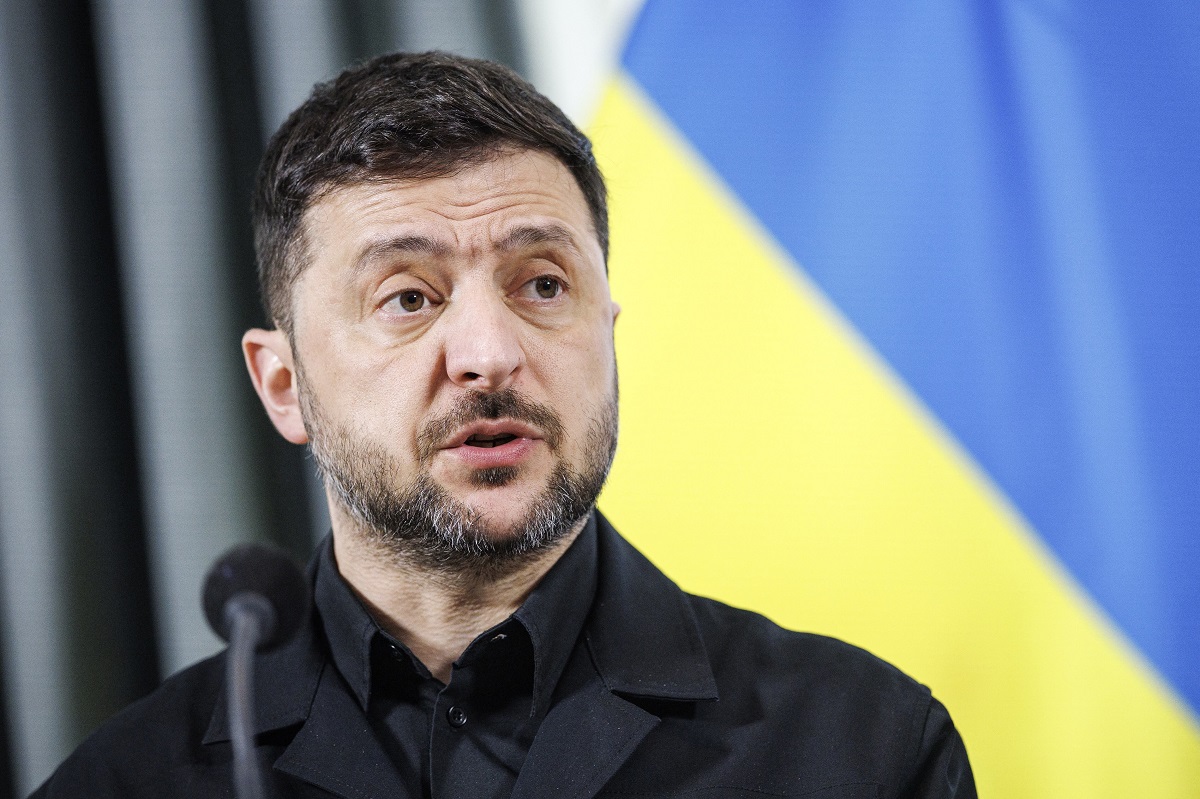
Speaking from Kyiv, President Volodymyr Zelenskyy emphasized the strategic necessity of neutralising Russia’s economic and military engine. “The occupying fleet and all the infrastructure that supports it will not be safe as long as Russian aggression continues,” Zelenskyy stated. He noted that stopping Moscow’s ongoing missile barrage requires Western allies to commit just a fraction of their air defense reserves, pointing out that Ukraine currently operates with two-and-a-half times fewer interceptor missiles than in 2025, while Russian domestic missile manufacturing has doubled.
Hidden Context: What Other Reports Missed
While mainstream coverage focused primarily on naval casualties and immediate port damage, deeper financial and geopolitical dynamics reveal far broader implications:
- The 15.6 Million Tonne Export Void: The two crippled facilities—NKHP and Demetra—represent nearly half of Russia’s deep-water grain loading capacity in the Black Sea. Moscow’s Agriculture Ministry frantically announced plans to reroute grain flows through Baltic and Caspian Sea ports. However, logistical experts emphasize that northern rail corridors lack the specialized bulk-handling equipment required to absorb southern harvests, threatening a seasonal export drop exceeding 50% for August.
- The Diplomatic Red Line on Energy: Crucially absent from the blast zones was the nearby Caspian Pipeline Consortium (CPC) terminal, which transports crude oil from Kazakhstan through American energy giants Chevron and ExxonMobil. Strategic reports indicate Ukraine intentionally avoided CPC infrastructure following high-level diplomatic interventions from Washington aimed at preventing energy price shocks in Western markets.
- The Weaponization of Agriculture Insurance: Prior to this assault, international marine insurers had already increased war-risk premiums for Black Sea shipping. With grain terminals explicitly targeted and four warships damaged inside port waters, commercial bulk carriers are facing insurance premium spikes or outright coverage cancellations, effectively enforcing an un-official embargo on Russian maritime trade.
- Technological Escalation: The strike showcased Ukraine’s newly operational Palianytsia jet-powered drone. Operating at high speeds and low altitudes, these jet drones render legacy Russian point-defense systems like the Pantsir-S1 virtually ineffective when deployed alongside low-profile sea drones.
FAQs
- What happened in Novorossiysk during the overnight strike?Ukraine executed a multi-domain military strike using Neptune missiles, jet drones, and naval surface craft against Russia’s Black Sea port of Novorossiysk. The attack damaged two major grain export terminals, hit four Russian warships, broke municipal water infrastructure, and forced the city into a state of emergency.
- Why is Novorossiysk critical to global grain supplies?Novorossiysk is Russia’s premier deep-water port for agricultural exports. Russia is the world’s top wheat exporter, and its Novorossiysk terminals handle over 15 million metric tonnes annually, supplying major markets across North Africa, the Middle East, and Asia.
Q1: How much did wheat prices rise after the Novorossiysk port attack?
A: Chicago wheat futures surged nearly 3% immediately following confirmation that major loading terminals had suspended operations due to severe structural damage.

Q2: Which Russian grain terminals were forced to shut down?
A: The Novorossiysk Grain Terminal (owned by Demetra Holding) and the Novorossiysk Bread Products Plant (NKHP, owned by United Grain Company) both suspended all handling operations.
Q3: Did Ukraine destroy Russian warships in the attack?
A: Ukraine’s armed forces confirmed hitting four Russian warships docked at the Novorossiysk naval base, including two naval frigates.
Q4: Can Russia easily reroute its wheat exports through other ports?
A: No. While Russia’s Agriculture Ministry plans to redirect shipments to Baltic and Caspian ports, those facilities lack the deep-water berth capacity and rail volume to handle southern wheat harvests efficiently.
What do you think will be the long-term geopolitical consequence of Ukraine shutting down Russian Black Sea grain hubs?
- A) A rapid escalation in global food inflation and market volatility.
- B) Russia agreeing to a renewed, internationally monitored Black Sea navigation treaty.
- C) Accelerated Western military aid to protect global shipping lanes.
Leave your perspective in the comments below to join the discussion on Star Struck Times!