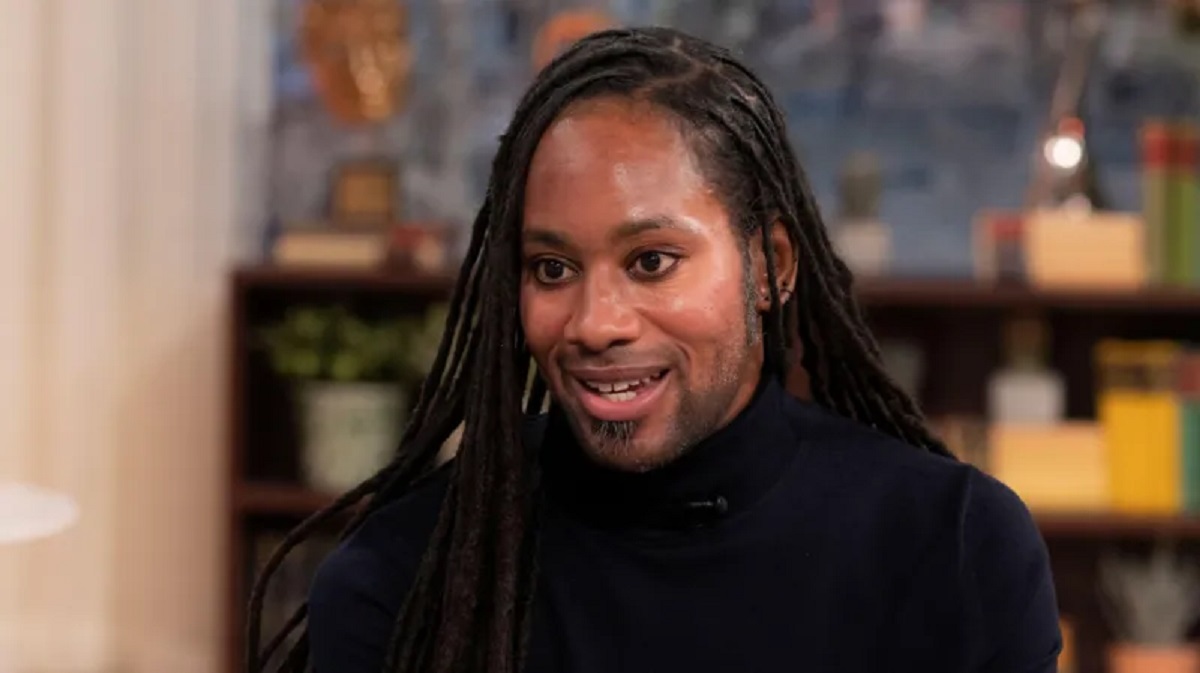
Former University of Cambridge professor Jason Arday has been found dead at an address in south London, just days after resigning from his high-profile academic post amid a public plagiarism controversy. Emergency services discovered the 41-year-old sociologist unresponsive at a residence in Battersea on Friday afternoon. The Metropolitan Police confirmed that while his sudden death is being treated as unexpected, officers do not currently consider the circumstances to be suspicious. Arday’s family expressed profound heartbreak over the loss, pointing to a relentless public campaign and intense online scrutiny that escalated rapidly following his departure from academia.
Key Points Summary
Tragic Loss: Former Cambridge sociology professor Jason Arday passed away at age 41 in Battersea, south London.
Recent Resignation: Arday stepped down from his role as Cambridge’s youngest-ever Black professor following allegations concerning errors in his earlier academic work.
Family Statement: His family cited the immense toll of media scrutiny and misinformation, describing him as a gentle man who strove to bring out the best in people.
Official Responses: Figures across academia and politics, including Cambridge Vice-Chancellor Deborah Prentice and Education Secretary Lucy Powell, issued tributes highlighting the tragic nature of his passing.
Ongoing Scrutiny: Prior to his death, Arday strongly denied deliberate dishonesty, explaining that early structural errors stemmed from navigating academia with autism.
The Rise and Sudden Loss of a Trailblazing Scholar
In March 2023, Jason Arday’s appointment as a professor of sociology of education at the University of Cambridge made national headlines. At just 37 years old, he became the youngest Black professor ever appointed at the institution, a milestone celebrated across the UK academic landscape where Black representation among senior faculty remains exceptionally low.
Arday’s journey to the upper echelons of higher education was widely regarded as inspirational. Diagnosed with global development delay and autism in his youth, he did not learn to speak until age 11 or read until age 18. He initially trained as a physical education teacher before earning his doctorate at Liverpool John Moores University (LJMU). He subsequently held academic positions at Durham University and the University of Glasgow before receiving his historic chair at Cambridge.
However, the trajectory of his career shifted dramatically earlier this month when accusations surfaced regarding text similarities and citation errors across his doctoral thesis and selected journal articles. The allegations were originally raised by academic commentators, triggering widespread attention across social media platforms and national news outlets.
Arday maintained his integrity throughout the dispute. While acknowledging formatting and textual errors in his early writings, he denied any intentional intellectual dishonesty. He explained that during his early career, he relied heavily on mimicry to organize and synthesize complex academic texts due to his neurodivergence.
“We’re talking about academia here. I didn’t murder somebody. The cruelty that I’ve experienced and the positioning of me as this kind of liar and fantasist is totally unacceptable,” Arday stated during an interview earlier this month.
The pressure surrounding the public debate mounted rapidly. Last week, Arday announced his formal resignation from Cambridge, stating that the personal cost to his mental health and loved ones had become unsustainable. His sudden passing days later has sent shockwaves through the academic community, sparking broader conversations regarding duty of care, trial by public opinion, and the structural pressures faced by high-profile scholars.
Hidden Context: What Other Reports Missed
While mainstream coverage focused heavily on the immediate timeline of allegations and Arday’s subsequent resignation, several critical angles shed light on the broader dynamics at play:
Prior Institutional Findings: Before the national media focus, Liverpool John Moores University (LJMU) conducted an internal review into Arday’s 2015 doctoral thesis following initial inquiries. LJMU concluded that the identified issues did not constitute intentional academic misconduct or plagiarism, attributing the discrepancies to early drafting oversights.
The Duty of Care Vacuum: The speed at which public debate unfolded left little room for institutional support mechanisms. Colleagues noted that high-visibility appointments often place scholars from underrepresented groups under magnified public scrutiny without providing adequate crisis management or psychological buffering when public controversies emerge.
Neurodiversity in Academic Assessment: Arday’s explanation highlighted a long-standing tension within higher education regarding how traditional academic auditing processes account for neurodivergent scholars. His reliance on structural mimicry during his formative writing years underscores the need for nuanced evaluation methods that differentiate between procedural drafting errors and deliberate fraud.
Engagement
Who was Jason Arday?Jason Arday was a 41-year-old British sociologist who served as a professor of sociology of education at the University of Cambridge. In 2023, he became the youngest Black professor in the university’s history.
What caused the controversy surrounding Jason Arday?Arday faced public allegations regarding citation and text errors in his early academic publications and PhD thesis. He denied deliberate plagiarism, attributing drafting errors to his neurodivergence and learning process with autism.
What was the official cause of Jason Arday’s death?Metropolitan Police reported that Arday was found unresponsive at a south London address on Friday afternoon. Authorities stated that while the death is unexpected, it is not being treated as suspicious.
Frequently Asked Questions
Q: When did Jason Arday resign from Cambridge University?
A: Jason Arday officially stepped down from his position at Cambridge University in early August 2026, citing the overwhelming toll of public commentary and personal attacks.
Q: Which universities did Jason Arday work for during his career?
A: Arday held academic roles at several institutions, including Liverpool John Moores University, Durham University, the University of Glasgow, and the University of Cambridge.
Q: What did Jason Arday’s family say following his passing?
A: His family released a statement expressing deep shock and sorrow, noting that the campaign of public scrutiny and misinformation was devastating to a man who always sought to support others.
How should academic institutions balance procedural accountability with their duty of care toward scholars facing public scrutiny? Share your perspective in the comments below.
Hello! I'm M Muzamil Shami, the founder and lead editor of Star Struck Times, your trusted source for trending news, entertainment scoops, celebrity gossip, sports highlights, and global headlines.
With a passion for storytelling and journalism, I created this platform to bring you breaking news, viral moments, and deep insights into the worlds of Bollywood, Hollywood, sports, politics, tech, and more — all in one place.