TOKYO, Japan, August 13, 2026 — Star Struck Times — In an unprecedented escalation of post-WWII geopolitical friction, Japanese Prime Minister Sanae Takaichi launched a scathing verbal assault on Russian President Vladimir Putin following his historic, first-ever visit to the disputed Kuril Islands on Thursday. Labeling the Kremlin chief’s appearance on the island of Iturup—known as Etorofu in Japan—as “absolutely unacceptable,” Takaichi warned that the maneuver has severely damaged bilateral relations and wounded the pride of the Japanese nation. The high-stakes visit to the heavily fortified island chain signals a volatile new chapter in Asia-Pacific diplomacy, threatening to shatter decades of delicate territorial negotiations.
Key Points Summary
- Unprecedented Visit: Vladimir Putin made his first official trip to Iturup (Etorofu), the largest of four disputed islands in the Kuril chain administered by Russia but claimed by Japan.
- Fierce Condemnation: Prime Minister Sanae Takaichi and Foreign Minister Toshimitsu Motegi issued immediate, high-level protests, reaffirming the territory as inherently Japanese under international law.
- Deep Historical Friction: The unresolved sovereignty battle over the Northern Territories remains the primary reason Moscow and Tokyo never signed a formal peace treaty after World War II.
- Military Standoff: The visit coincides with heightened military activity, including recent joint Russian-Chinese naval patrols and expanded airbase operations on Iturup.
A Tense Clash Over Frozen History
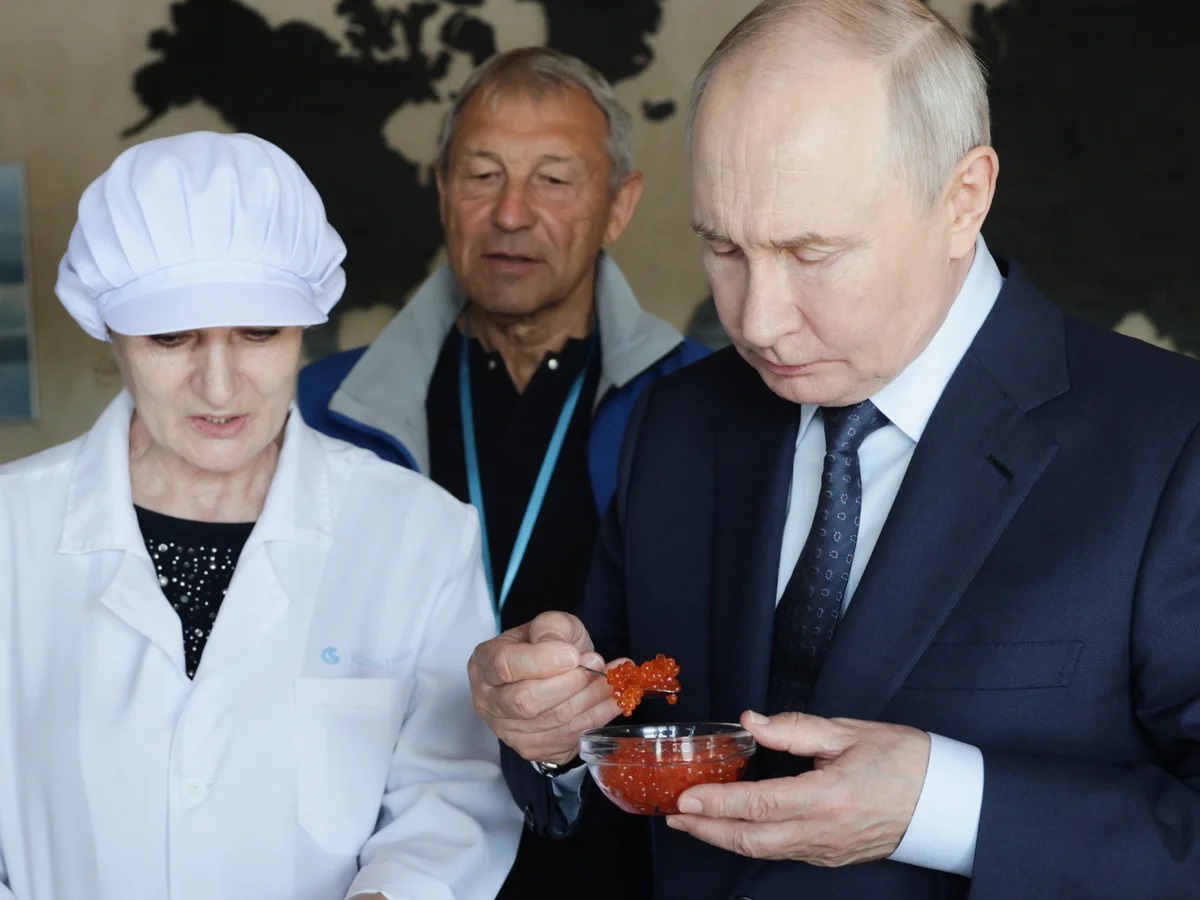
The Pacific borderlands became the center of world attention on Thursday when Vladimir Putin’s presidential transport touched down on the rugged terrain of Iturup. For Moscow, the trip served as a high-visibility demonstration of state sovereignty—complete with media-friendly stops where the Russian leader sampled local fish roe and chatted with residents. For Tokyo, however, every step taken on the island cut deep into an unhealed diplomatic wound.
Speaking directly from the Prime Minister’s Office in Tokyo, Sanae Takaichi did not mince words. Addressing gathered reporters with visible gravity, she articulated the collective outrage of her administration and the public. “President Putin’s visit has worsened Japanese sentiment towards Russia,” Takaichi declared, emphasizing that the island chain represents a “unique territory of Japan historically and under international law.”

The geographical bone of contention—stretching from northern Hokkaido to the tip of Russia’s Kamchatka Peninsula—comprises four southernmost islands that Japan calls the Northern Territories. The roots of this deadlock trace back to the closing days of World War II, when Soviet forces seized the chain and forcibly expelled roughly 17,000 Japanese inhabitants. Eighty years later, the absence of a formal peace treaty stands as a stark monument to this unresolvable divide.
Foreign Minister Toshimitsu Motegi joined the chorus of condemnation, filing an immediate diplomatic protest. “The islands are inherently Japanese territory,” Motegi stated during a hastily called press briefing. “The Government of Japan strongly protests this visit, which directly conflicts with our consistent legal and historic standing.”
Hidden Context: What Other Reports Missed
While mainstream coverage focuses heavily on the political rhetoric coming out of Tokyo, defense analysts point to a far more calculated strategic play unfolding beneath the surface. Putin’s visit to Iturup is not merely a symbolic victory lap; it represents a direct line drawn in the sand regarding military access in the North Pacific.
Over the last decade, Moscow has systematically transformed Iturup from a sleepy peripheral outpost into a fortress. Iturup hosts a vital Russian military airbase capable of deploying advanced fighter jets, serving as the northern anchor for Russia’s Pacific Fleet access routes. By physically setting foot on this defensive hub, Putin is signaling to both Japan and its global allies that the Kremlin considers its Eastern flank non-negotiable.
Furthermore, the timing of the visit cannot be viewed in a vacuum. Just last month, warships from the Russian and Chinese navies executed a joint patrol through a narrow strait in the Kuril chain, sending shockwaves through defense ministries in Tokyo and Washington. As Tokyo has hardened its stance against Moscow—implementing strict economic sanctions following Russia’s 2022 invasion of Ukraine—the Kremlin has systematically dismantled previous economic sharing agreements regarding the islands.
Previous visits by lower-level Russian figures, such as Prime Minister Mikhail Mishustin and former President Dmitry Medvedev, drew intense protests from Japan. However, Putin personally stepping onto Etorofu shifts the baseline from routine bureaucratic posturing to an aggressive assertion of territorial control, leaving diplomatic reconciliation all but impossible for the foreseeable future.
ENGAGEMENT
- Why are the Kuril Islands disputed between Japan and Russia? The Soviet Union annexed the four southernmost Kuril Islands (Etorofu, Kunashiri, Shikotan, and the Habomai islets) at the end of World War II in 1945, expelling 17,000 Japanese citizens. Japan claims the islands were illegally occupied and considers them its inherent Northern Territories, preventing the signing of a formal post-WWII peace treaty.
- What was Japan’s response to Vladimir Putin visiting the Kuril Islands? Prime Minister Sanae Takaichi condemned the visit as “absolutely unacceptable” and stated that it deeply “wounds the feelings of the Japanese people.” Foreign Minister Toshimitsu Motegi lodged a formal protest, asserting Japan’s historical and legal rights over the territory.
Frequently Asked Questions (FAQs)
Q: Which specific island did Vladimir Putin visit?

A: Vladimir Putin visited Iturup, known in Japan as Etorofu. It is the largest and northernmost island among the four disputed territories in the Kuril chain.
Q: Why is Iturup (Etorofu) strategically important to Russia?
A: Iturup serves as a key military position for Russia, housing a major military airbase and providing uninhibited maritime entry points between the Sea of Okhotsk and the open Pacific Ocean.
Q: Has Vladimir Putin visited these disputed islands before?
A: No. Thursday’s trip marked Vladimir Putin’s first-ever visit to the disputed Kuril Islands, marking a significant turn in his regional foreign policy.
Do you think Japan and Russia will ever reach a resolution over the Northern Territories, or has diplomatic hope completely faded? Sound off in the comments below!