Washington, USA — Star Struck Times
U.S. President Donald Trump announced that Venezuela has begun releasing political prisoners and that planned further military strikes have been canceled in response to what he described as cooperation from the Venezuelan government. The announcement, made on January 9, 2026, comes amid heightened tensions following a U.S. military operation earlier this month that resulted in the capture of Venezuelan leader Nicolás Maduro. The release of detainees and the diplomatic shift could signal a potential de‑escalation of hostilities between the two nations.
Key Highlights
- Venezuela has begun releasing political prisoners as a gesture toward peace.
- President Trump canceled a planned second wave of attacks citing improved cooperation.
- Rights groups report at least 18 prisoners freed so far, out of hundreds detained.
- International responses are mixed, with calls for further transparent action.
What Happened: Details of the Release
On January 8 and 9, 2026, Venezuela began releasing a number of political detainees, including prominent opposition figures and foreign nationals, after years of international pressure and escalating conflict with the United States. Human rights groups confirm that the count of released prisoners is still relatively small compared to estimates that over 800 political prisoners remain detained nationwide.

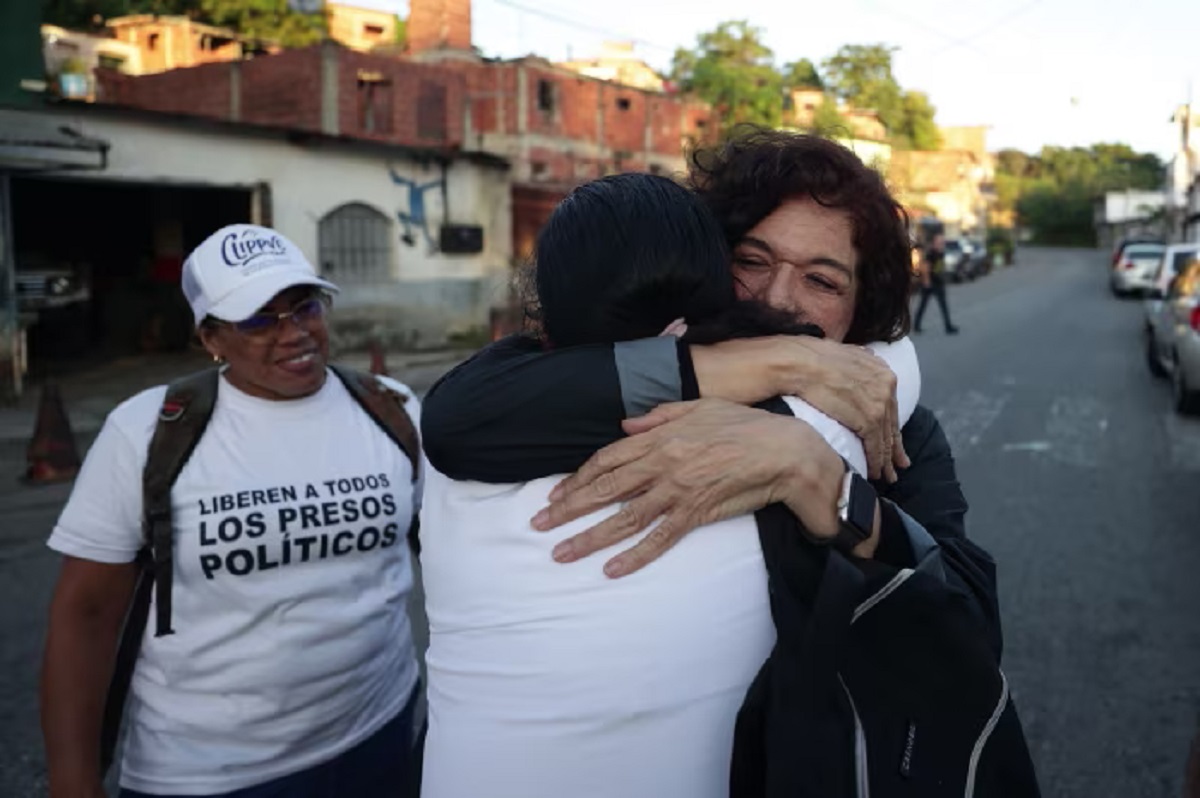
Venezuelan authorities, led by interim president Delcy Rodríguez, described the move as a gesture of peace and goodwill, while U.S. officials credited diplomatic and strategic pressure for prompting the releases. Several opposition activists were seen embracing loved ones outside detention facilities in confirmed social media footage.
According to Foro Penal, a Caracas‑based rights organization, the number of detainees freed has risen to 18 as of January 10 — a fraction of the total held. Families gathered outside notorious prisons such as El Helicoide and Zona 7 in hopes of seeing their loved ones freed.
“The releases so far are a hopeful start, but far more transparency is needed,” said a human rights advocate in Caracas, speaking on condition of anonymity.
Official and Public Reactions
President Trump publicly stated that Venezuela’s action was a positive sign and that a second wave of U.S. attacks would not be necessary at this time. Trump wrote on his social platform that he hopes released detainees “remember the luck they had,” a comment that drew both praise and criticism globally.
Human rights organizations welcomed the initial steps but cautioned that actual political reform requires the release of many more prisoners and clearer legal processes.
International reactions have been mixed:
- Spain’s Foreign Ministry confirmed the release of several Spanish nationals.
- Rights advocates urge that the process remain transparent and not merely symbolic.
A Venezuelan community leader in Caracas said, “We’re relieved for those freed, but our people still suffer.” This reflects concern that the move may not translate into lasting change.
Why It Matters: Diplomatic and Regional Impact
This development represents a rare shift in a years‑long standoff between the U.S. and Venezuela. The partial release of political prisoners and the cancellation of planned military strikes may open new avenues for diplomatic engagement and could reduce immediate risk of wider conflict in the region.

Media analysts believe that Trump’s decision to cancel further strikes — and emphasize cooperation — signals an unexpected diplomatic pivot that could influence future U.S. foreign policy in Latin America.
Furthermore, the releases may impact Venezuela’s internal political landscape, where opposition groups have long decried the detention of dissenters following contested elections and political tensions.
Context: Past Similar Events
Previous Venezuelan governments faced international criticism for detaining political opponents, especially after the disputed 2024 elections. Human rights groups documented thousands of political detentions and limited judicial transparency in the years prior to this development.
Periodic early releases — such as those under exchange deals in 2025 — were viewed as tactical moves rather than systemic change. The current developments are noteworthy because they occur under heightened U.S.–Venezuela tensions and coincide with significant geopolitical shifts.
What Happens Next
As talks continue between U.S. diplomats and Venezuelan officials, diplomatic engagement may deepen, potentially including reopening embassies and negotiations over oil and economic cooperation. Human rights groups are expected to monitor the release process closely and pressure authorities for broader transparency and justice reforms.
FAQ
Q: Why did Venezuela start releasing political prisoners?
A: Officials describe it as a peace gesture amid external pressure and evolving diplomatic relations with the U.S., aiming to reduce tensions. Human rights groups call for transparent and expansive reforms.
Q: How many prisoners have been released so far?
A: Rights groups report at least 18 freed, though over 800 political prisoners remain detained according to Venezuelan advocacy data.
Q: Does this mean U.S. military action is fully off the table?
A: President Trump has canceled the planned second wave of attacks for now, but maintained that forces remain positioned for security purposes.
Q: Are high‑profile figures among those released?
A: Yes — several opposition leaders and foreign nationals, including Spanish lawyer Rocío San Miguel and former candidate Enrique Márquez, were confirmed freed.
Q: What do human rights groups say about the releases?
A: Advocates welcome initial steps but emphasize that meaningful reform requires systematic and transparent prisoner releases and legal guarantees for civil liberties.
Read more about U.S. foreign policy updates in our World News section.
Follow us for continuing coverage of U.S.–Venezuela diplomatic developments and global political news.
Sources
- Reuters
- Associated Press (AP News)
- BBC News
- Al Jazeera