WASHINGTON, Sept. 25, 2026
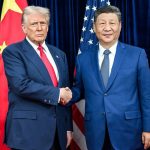
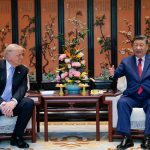
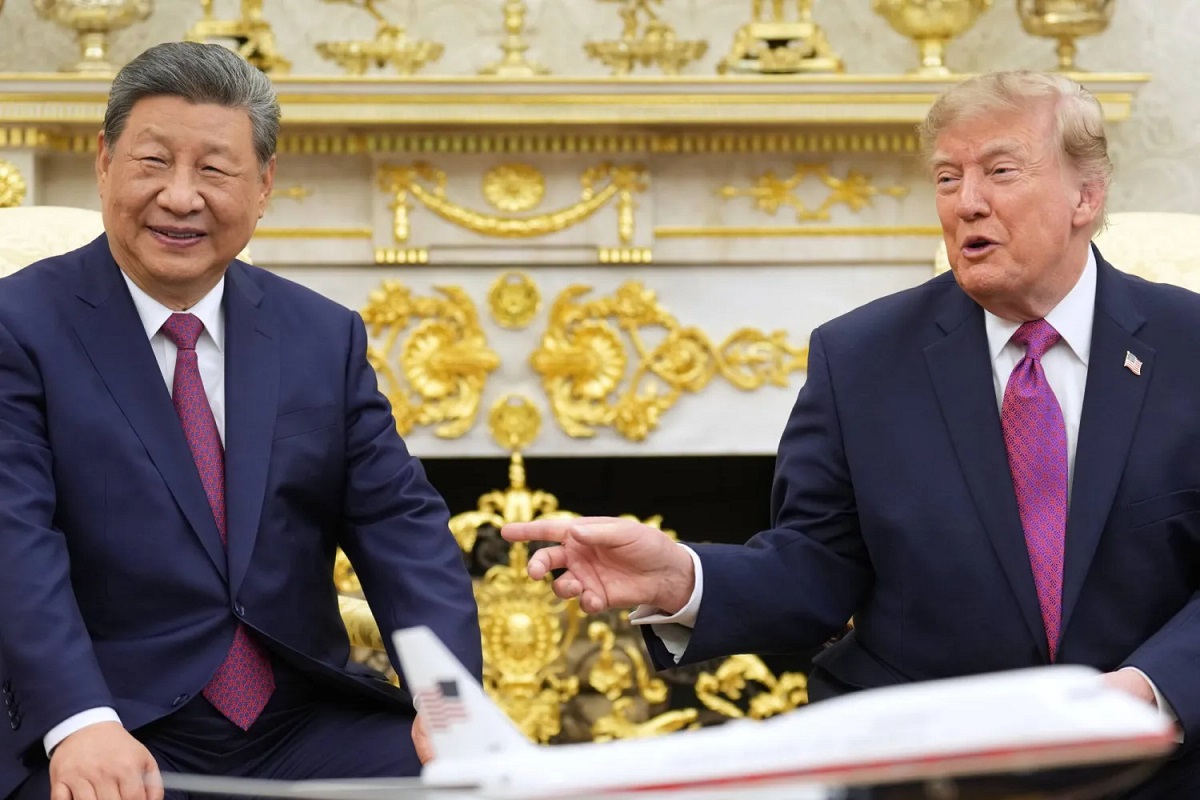
U.S. President Donald Trump and Chinese President Xi Jinping ended their high-profile White House summit without announcing major breakthroughs on three of the most difficult issues in their relationship: Taiwan, artificial intelligence and the war involving Iran. The leaders emphasized cooperation and stability, but their governments remain divided on several strategic questions.
Key Points
- Trump and Xi projected a warmer relationship during Xi’s Washington state visit.
- Taiwan remained a sensitive issue, with Xi urging Washington to oppose Taiwanese independence.
- The two sides discussed AI, but competition over advanced technology remains unresolved.
- Washington and Beijing also differ over Iran and China’s relationship with Tehran.
- The summit produced dialogue and continued engagement, rather than a comprehensive settlement of the major strategic disputes.
Taiwan Remains a Major Fault Line
Taiwan was among the most sensitive subjects surrounding the summit. According to China’s official account of the meeting, Xi urged Trump to handle the Taiwan issue cautiously and reiterated Beijing’s opposition to Taiwanese independence.

Reuters had reported before the summit that Taiwan was a key issue for Beijing, with Chinese officials pressing Washington over U.S. arms sales to the island. China’s ambassador to the United States had also described Taiwan as a Chinese “red line” ahead of the meeting.
No major new Taiwan agreement emerged from the summit.
That matters because the issue reaches well beyond trade. Washington and Beijing have competing security interests in the Taiwan Strait, making even changes in language or policy potentially significant for regional allies and markets.
AI Competition Continues
Artificial intelligence was another major subject, reflecting the increasingly technological dimension of U.S.-China competition.
Both governments have publicly expressed interest in cooperation and managing AI-related risks, but the underlying competition remains. The United States has continued restricting access to some advanced technologies, while China is seeking to strengthen its own AI capabilities. AP described the technology relationship as an area of rising tension even as both sides pursue greater stability.
The summit therefore did not erase the broader technology rivalry. Instead, AI emerged as another area where Washington and Beijing need dialogue while simultaneously competing for technological advantage.
Iran Adds Another Layer of Tension
The war involving Iran also complicated the relationship.

Washington has sought Chinese cooperation and pressure on Tehran, while Beijing’s interests and relationship with Iran do not fully align with the Trump administration’s approach. AP reported that the two countries continued to have different positions over Iran despite their efforts to stabilize broader U.S.-China relations.
That leaves the issue as another test of whether the new diplomatic stability between Trump and Xi can extend beyond bilateral trade and economic questions.
What the Summit Actually Changed
The most notable feature of the meeting may be the distinction between improved communication and unresolved policy differences.
Trump and Xi demonstrated that they can maintain direct dialogue despite intense competition. But the summit did not produce a sweeping agreement on Taiwan, AI or Iran. Reuters described the meeting as heavy on ceremony but lacking breakthroughs on those major issues.
That makes the summit less a final settlement than another attempt to manage an increasingly complicated relationship.
The trade truce provides a separate area of continued engagement, but the issues involving security, technology and geopolitics remain much harder to resolve.
For Washington and Beijing, the immediate challenge is no longer simply avoiding a new trade confrontation. It is whether their leaders can keep strategic competition from turning into a wider crisis while maintaining channels for negotiation.