Brussels and Washington coordinate unprecedented sanctions as Kyiv reels from overnight drone blitz
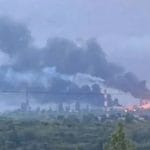
ANKARA (Star Struck Times) — In a sweeping escalation of economic pressure, the European Union on Thursday announced a new package of sanctions targeting Russia’s energy sector, joining the Donald Trump-administration’s recent move to blacklist its major oil giants, as the conflict in Ukraine intensifies. According to officials in Kyiv, Russian drones struck the Ukrainian capital for a second consecutive night, causing casualties and widespread infrastructure damage.
The EU’s latest measures include a phase-out of Russian liquefied natural gas imports, a blacklist of more than 100 vessels in Moscow’s so-called “shadow tanker” fleet, and new curbs on digital technologies and AI services linked to Russia’s military industries. At the same time, the U.S. placed sanctions on two of Russia’s largest oil companies — Rosneft and Lukoil — delaying enforcement until late November in a bid to preserve diplomatic levers.

In Kyiv, authorities report that overnight drone attacks wounded nine people and damaged at least two apartment buildings. City officials warned residents of further possible missile strikes and described the assaults as part of a deliberate campaign to cripple Ukraine’s power infrastructure ahead of winter.
“The assault on our energy system is methodical, planned, with winter as its backdrop,” said Svitlana Hrynchuk, Ukraine’s Energy Minister. “Russia is targeting repair crews and key grid components so that the impact lasts.”
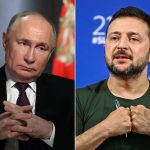
The coordinated Western sanctions mark a strategic shift in the war effort: by choking off Russia’s oil revenues and imposing heavy costs on its energy exports, Kyiv’s allies hope to force a recalibration of President Vladimir Putin’s calculus. In Brussels, Ukrainian President Volodymyr Zelenskyy called the sanctions “a watershed moment” in Western support for Kyiv. “We waited for this. God bless, it will work,” he said.
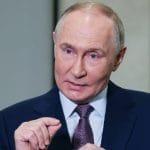
In the U.S., White House officials described the timing of the sanctions as deliberate — coming just days after Trump cancelled a scheduled meeting with Putin in Budapest and announced his “tremendous sanctions” on Russia’s oil sector. Critics of the Trump administration’s strategy argue that enforcement and global coordination will ultimately determine the outcome.
Back in Ukraine, the impact of Russia’s recent strikes is showing. In the northeastern region of Chernihiv, hundreds of thousands of residents were left without electricity or water after power infrastructure was hit. Officials say drones circled damaged sites to delay repairs. One resident, Nina Dymyrets, described an afternoon in a relief tent: “It’s hard. One child didn’t go to nursery because there was no power, another didn’t go to school because there was no lessons either.”
“For too long, Russia believed it could wage war free of consequence. These sanctions signal otherwise,” said Zelenskyy during a press conference in Brussels. He added that Kyiv expects this pressure to build into a pathway to peace negotiations. Meanwhile, Moscow dismissed the measures as ineffective and provocative, warning of “unintended global economic consequences.”
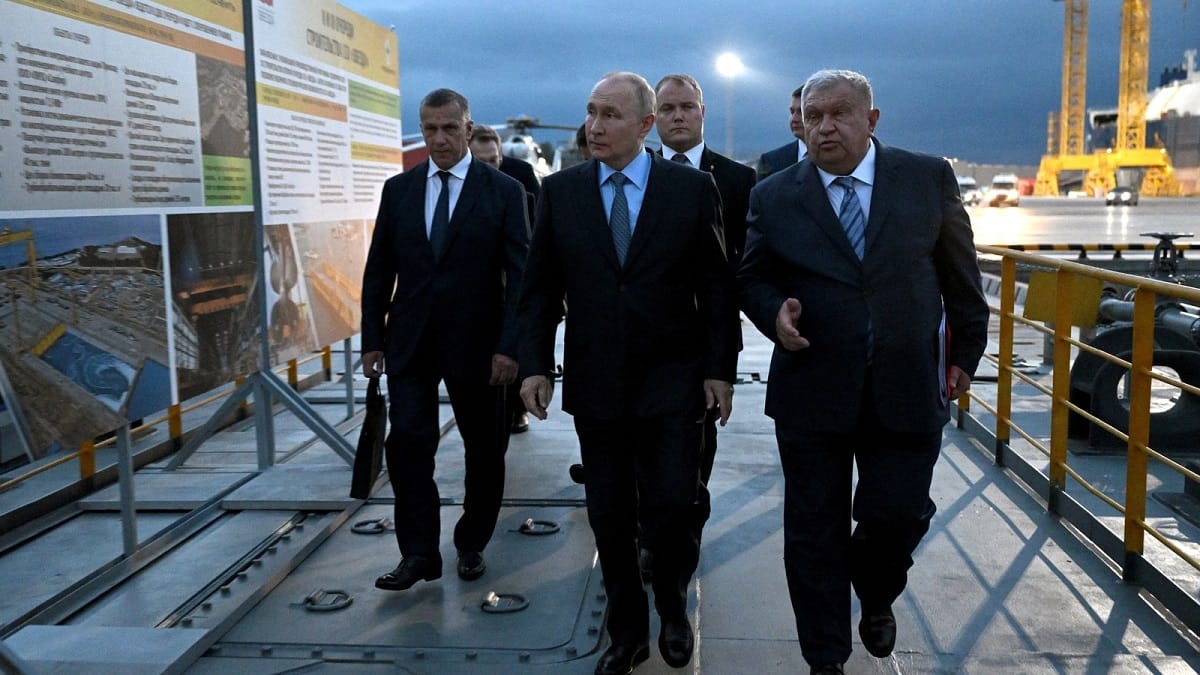
The energy-sector sanctions are widely regarded as the most impactful to date. The U.S. targeting Rosneft and Lukoil — combined accounting for roughly half of Russia’s oil output — raises the question of how Moscow will redirect exports amid global oversight and tightening rules.

As Ukraine gears up for winter, with heating and power systems under strain, every blackout and outage becomes not just a humanitarian issue but a geopolitical moment. Western capitals say the message is clear: Russia’s war machine will be hit not just on the battlefield but at its economic heart.
FAQs
Q: What are the main sanctions imposed?
A: They include a phased banning of Russian LNG imports by the EU, blacklisting of over 100 Russian-linked tanker vessels, and U.S. sanctions on Rosneft & Lukoil.
Q: Why now?
A: Russia’s increased drone attacks on Ukraine’s energy infrastructure as winter approaches have raised urgency in Western capitals.
Q: Will sanctions force Russia into peace talks?
A: That is the hope of Kyiv and its allies — though Moscow remains defiant, leaving the outcome uncertain.
Q: What is the immediate impact in Ukraine?
A: Kyiv and other regions are facing drone attacks, damage to power infrastructure, and threat of prolonged blackouts.
Q: What happens next?
A: Enforcement and global cooperation will determine how effectively Russia’s energy exports are curtailed — and whether Moscow shifts toward diplomacy.
Stay tuned to Star Struck Times for live updates on this rapidly evolving conflict — subscribe to our alerts now.