Israeli strike in Gaza City reportedly kills senior Hamas commander Raed Saed
Israeli strike in Gaza City reportedly kills top Hamas figure tied to October 7 attack, sparking regional tension amid fragile ceasefire.
Raed Saed, a senior Hamas commander and key architect of the October 7, 2023 attack, was killed in an Israeli strike in Gaza City, according to Israeli media and defense sources. As reported by Reuters, Hamas has not confirmed the death, raising uncertainty amid ongoing ceasefire violations and rising civilian casualties.
Key Points
Raed Saed, senior Hamas commander, reportedly killed in Gaza City strike
Israeli military confirms targeting a top Hamas leader but gives no name
Gaza health officials report four dead, 25 wounded
Hamas has not confirmed Saed’s death
Strike risks undermining the October ceasefire agreement
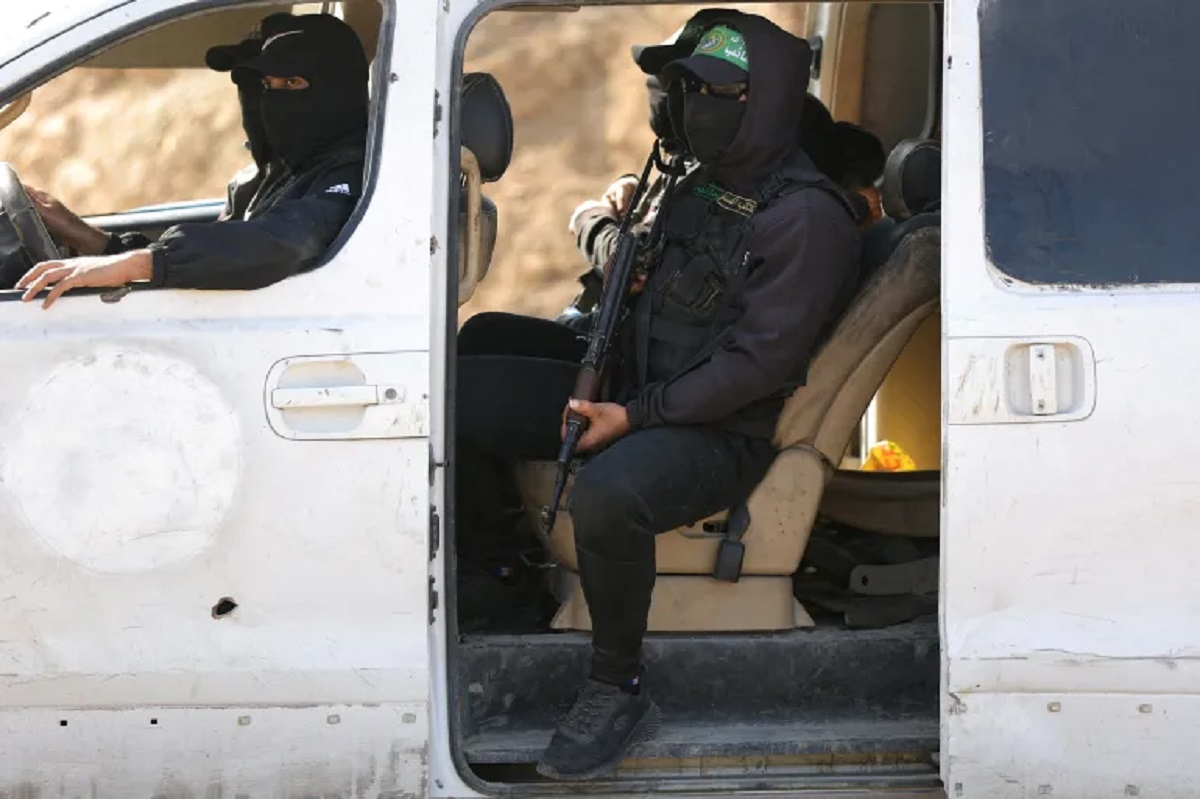
Gaza City (Star Struck Times) — The Israeli military has killed senior Hamas commander Raed Saed in a targeted strike on a vehicle in Gaza City, Israeli media outlets reported Saturday, citing defense sources, in what could mark the most high‑profile assassination since a ceasefire agreement took effect in October. The strike, carried out in western Gaza City, reportedly killed four people and injured at least 25 others, according to Gaza health authorities.
There was no immediate confirmation from Hamas or local medics that Saed was among the dead, adding to uncertainty surrounding the operation. The Israeli military acknowledged targeting a senior Hamas commander, but declined to provide a name or further operational details, a pattern consistent with previous high‑value strikes.
Israeli defense officials told Reuters that Raed Saed, described as the head of Hamas’ weapons manufacturing force, was the intended target. Hamas sources have previously identified Saed as the second‑in‑command of the group’s armed wing, reporting directly under Izz el‑Deen al‑Haddad, and a central figure in rebuilding Hamas’ military capabilities.
If confirmed, Saed’s death would represent the highest‑ranking Hamas assassination since the ceasefire began, intensifying concerns about its long‑term viability. Israeli officials allege that Saed played a critical role in re‑establishing militant infrastructure damaged during more than two years of intense Israeli military operations across Gaza.
According to Gaza‑based Wafa news agency, an Israeli drone struck a vehicle at the Nabulsi junction in western Gaza City, causing multiple casualties. While Wafa did not specify identities, Israeli media later linked the incident to the alleged killing of Saed, though verification remains pending.
The Israeli army said in a statement posted on Telegram that the targeted commander had been “actively working to restore Hamas’ operational strength,” claiming his activities posed an imminent security threat. The statement stopped short of naming Saed but emphasized continued Israeli efforts to neutralize senior militant leadership.
Public reaction to the strike has been swift and polarized. “This shows the ceasefire exists only on paper,” one Gaza resident said, while Israeli commentators framed the operation as a “necessary pre‑emptive action” to prevent renewed attacks. On social media, regional analysts warned the strike could trigger retaliatory escalation.
Since the ceasefire agreement came into force in October, Gaza authorities claim Israel has carried out nearly 800 military strikes, actions they describe as clear violations of the deal. Israel, however, maintains it reserves the right to act against what it calls “imminent terrorist threats.”
Humanitarian conditions continue to deteriorate. Israel is still blocking a majority of aid trucks from entering Gaza, according to UN officials. On Friday, the United Nations General Assembly overwhelmingly passed a resolution demanding unrestricted humanitarian access, an end to attacks on UN facilities, and full compliance with international law.
As diplomatic pressure mounts, the alleged killing of Raed Saed underscores the fragility of the ceasefire and the ongoing volatility of the Gaza conflict, with regional stability once again hanging in the balance.
FAQs
Who was Raed Saed? Raed Saed was a senior Hamas military commander, reportedly overseeing weapons manufacturing and considered second‑in‑command of Hamas’ armed wing.
Has Hamas confirmed his death? No. As of now, Hamas has issued no official confirmation.
Where did the strike occur? The strike reportedly hit a vehicle near the Nabulsi junction in western Gaza City.
Why is this strike significant? If confirmed, it would be the highest‑profile Hamas assassination since the ceasefire began.
Stay informed with verified updates on Gaza and Middle East geopolitics. Share your perspective respectfully in the comments. Follow Star Struck Times for breaking global news.
Hello! I'm M Muzamil Shami, the founder and lead editor of Star Struck Times, your trusted source for trending news, entertainment scoops, celebrity gossip, sports highlights, and global headlines.
With a passion for storytelling and journalism, I created this platform to bring you breaking news, viral moments, and deep insights into the worlds of Bollywood, Hollywood, sports, politics, tech, and more — all in one place.







Your article helped me a lot, is there any more related content? Thanks!