Geneva, Switzerland, May 13, 2026 — Star Struck Times
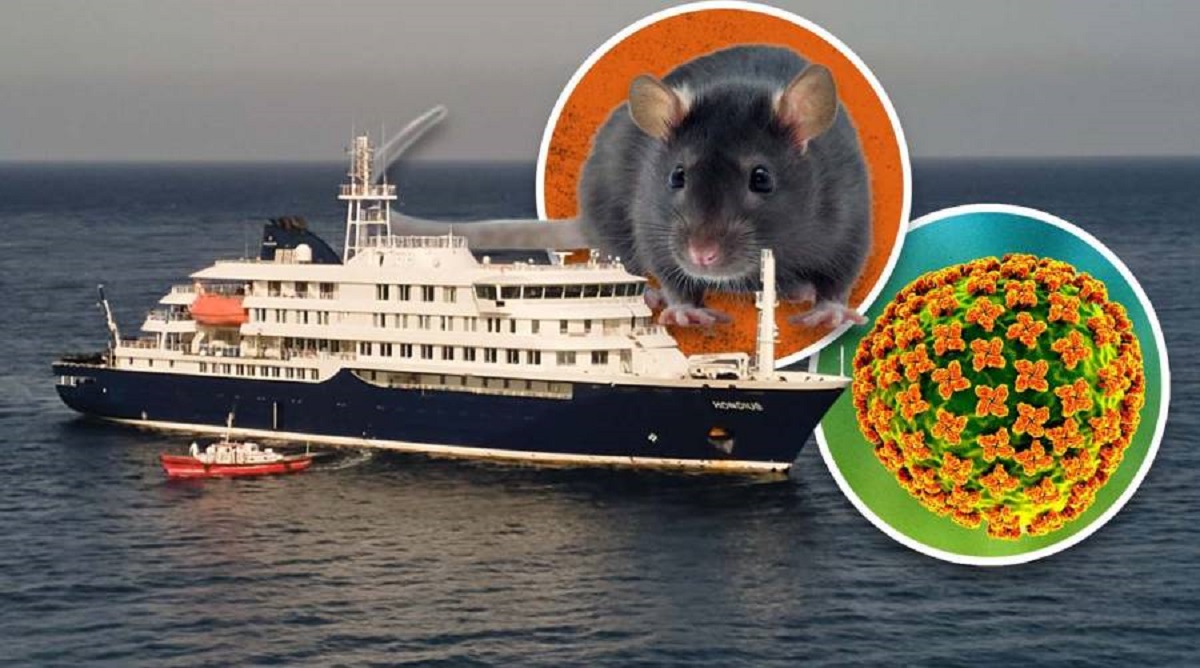
A growing Hantavirus cruise ship outbreak investigation has triggered international concern after multiple passengers aboard a luxury cruise liner reportedly developed severe flu-like symptoms linked to the rare but dangerous virus. Health authorities, including the World Health Organization, are now monitoring the situation closely as travelers from several countries undergo medical observation. The incident is reviving memories of past cruise-related health crises and raising urgent questions about global containment readiness. Readers following global health coverage on Star Struck Times are already comparing the situation to early pandemic warning signs.
Key Highlights
- Multiple suspected Hantavirus cases reported aboard an international cruise ship
- Several passengers isolated after developing respiratory complications
- WHO and regional health officials monitoring cross-border exposure risks
- Cruise tourism sector faces renewed health safety scrutiny
- Experts say hantavirus transmission remains different from COVID-19
- Public anxiety rising across social media platforms
What Happened on the Cruise Ship?
According to preliminary health reports circulating among international media outlets, passengers aboard a luxury cruise traveling through multiple international ports began experiencing symptoms including fever, fatigue, muscle pain, and breathing difficulties late last week.

Medical teams onboard reportedly isolated affected travelers before the ship docked for emergency health assessments. Several passengers were later transferred to hospitals for further testing after suspected exposure to Hantavirus, a virus commonly associated with rodents and contaminated environments.
While officials have not confirmed widespread human-to-human transmission, the outbreak’s location aboard a confined cruise vessel has intensified public concern.
Health experts note that hantavirus infections are considered rare but potentially deadly, especially when symptoms escalate into Hantavirus Pulmonary Syndrome (HPS).
Why the Hantavirus Outbreak Is Triggering Global Concern
Unlike seasonal viruses, Hantavirus carries a much higher fatality risk in severe cases. According to health data frequently cited by global agencies, some hantavirus strains have mortality rates ranging from 30% to nearly 40% when respiratory complications develop.
That statistic alone has fueled widespread online fear.
Cruise ships historically amplify public anxiety because they combine:
- Dense passenger environments
- International travel routes
- Rapid cross-border movement
- Delayed symptom detection
Public reaction intensified after several social media posts claimed passengers were “trapped” onboard awaiting clearance, though officials have not verified those descriptions.

One traveler quoted by regional media reportedly said:
“People became nervous once medical staff started isolating cabins.”
Another passenger described the atmosphere as “tense and uncertain.”
What Experts Are Saying Now
Global infectious disease specialists stress that hantavirus differs significantly from airborne pandemic viruses.
Dr. Michael Osterholm, a well-known infectious disease expert often cited during global outbreaks, has previously explained that most hantavirus infections originate through exposure to rodent urine, droppings, or saliva rather than casual human interaction.
That distinction is important.
Still, epidemiologists warn cruise ships present unique environmental challenges if contamination sources are not identified quickly.
An expert-style analysis emerging from public health discussions suggests authorities are likely focusing on:
- Food storage systems
- Cargo areas
- Ventilation inspection
- Rodent exposure risks in port regions
The Centers for Disease Control and Prevention has long classified hantavirus as a serious but relatively uncommon disease requiring rapid containment protocols.
What Other Reports Missed
Many early headlines focused entirely on panic and passenger fears. However, a deeper issue receiving less attention involves the cruise industry’s post-pandemic operational pressures.
Industry analysts note that cruise companies dramatically expanded schedules over the past two years to recover financial losses after global shutdowns. That rapid expansion may have stretched onboard health monitoring systems thinner than before.
Another overlooked factor is environmental exposure at international docking sites.
Some infectious disease researchers have repeatedly warned that climate shifts and changing rodent migration patterns could increase exposure risks in ports and coastal regions previously considered lower-risk zones.
This broader environmental angle could become central to future investigations if additional cases emerge.
WHO Monitoring Situation Closely
The World Health Organization has not declared a global emergency linked to the outbreak. However, officials are reportedly coordinating with regional authorities to track passenger movement and potential exposure chains across countries.
International monitoring matters because cruise travelers often disperse rapidly after docking, making contact tracing more complicated.
Health authorities are expected to release updated guidance if confirmed case numbers rise further.
So far, no evidence suggests a large-scale international spread event.
Why Cruise Ship Virus Stories Go Viral So Fast
There is a psychological reason these stories dominate online attention.
Since the COVID-19 era, cruise ships have become symbolic flashpoints for public fears surrounding isolation, containment, and global transmission risks.
Digital trend analysts tracking audience behavior say disease-related cruise headlines consistently generate:
- Higher click-through rates
- Longer engagement times
- Strong emotional reactions
- Elevated social sharing activity
Search interest for terms such as:
- “Hantavirus outbreak”
- “Cruise ship virus”
- “WHO hantavirus warning”
- “Rare virus spreading”
has surged across multiple platforms in recent hours.
Public Reaction Across Social Media
Online reactions remain sharply divided.
Some users are demanding stricter cruise health inspections, while others accuse media outlets of amplifying fear before confirmed scientific findings are released.
One viral post questioned:
“Are we seeing another global warning sign?”
Another user wrote:
“People still underestimate how quickly travel spreads health risks.”
Travel forums are also seeing cancellations discussed among concerned passengers planning summer cruises.
What Happens Next?
Health investigators are expected to continue laboratory testing and passenger monitoring over the coming days.
Key questions now include:
- Whether all suspected cases are confirmed as hantavirus
- How exposure occurred onboard
- Whether additional travelers develop symptoms after returning home
- Whether cruise health protocols will face new international scrutiny
For now, experts emphasize caution over panic.
But as investigations continue, the outbreak is already becoming one of the most discussed global health stories of the week.
FAQs
What is hantavirus?
Hantavirus is a rare virus typically spread through contact with infected rodent urine, droppings, or saliva.
Can hantavirus spread between humans?
Most hantavirus strains do not spread easily between humans, though rare exceptions have been documented.
What are hantavirus symptoms?
Symptoms can include fever, fatigue, muscle aches, dizziness, and severe breathing problems.
Why are cruise ship outbreaks concerning?
Cruise ships involve crowded international environments where illnesses can spread rapidly and passengers travel across borders.
Is the WHO investigating the cruise outbreak?
Yes, the World Health Organization is reportedly monitoring developments alongside regional health agencies.