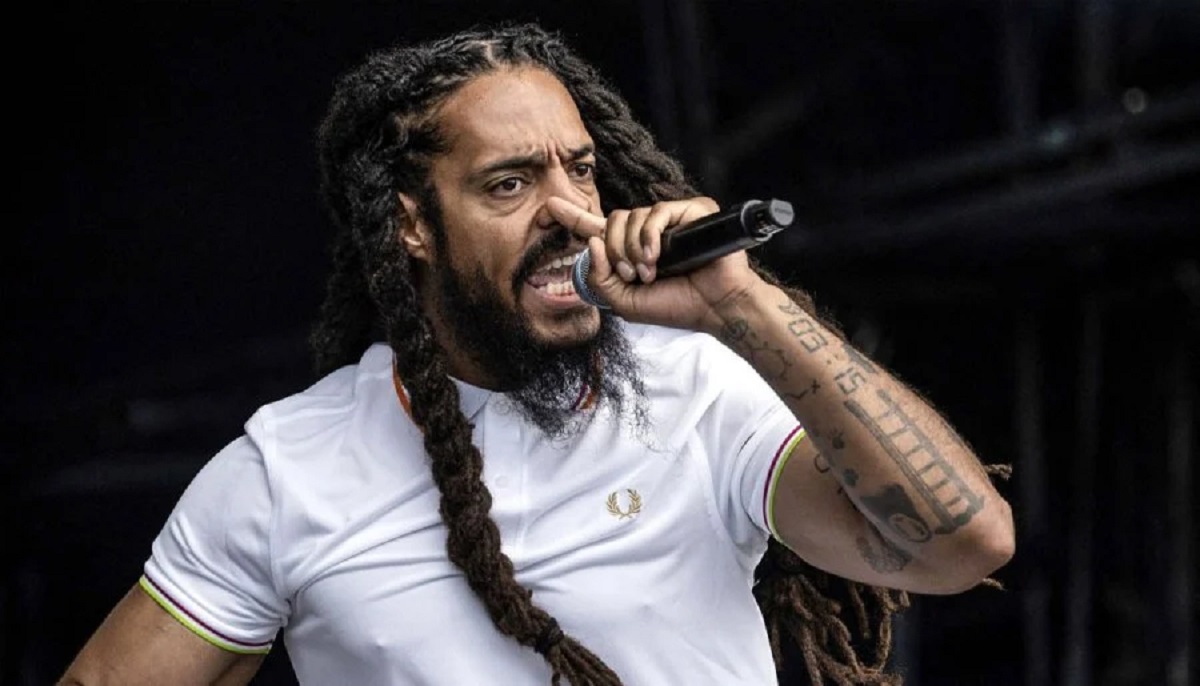
British punk-rap duo Bob Vylan has been cleared of criminal wrongdoing following a police investigation into chants led during their Glastonbury Festival performance in June 2025. The case, which originated at the West Holts Stage in Somerset, England, drew national attention after frontman Bobby Vylan encouraged crowds to chant a slogan referencing the Israel Defense Forces. Avon and Somerset Police confirmed this week that no charges will be filed. The decision matters because it sits at the crossroads of free expression, public accountability, and the growing scrutiny of political messaging on major cultural platforms.
Key Highlights
Incident occurred in June 2025 at Glastonbury Festival’s West Holts Stage
Chant referenced the Israel Defense Forces during live performance
Avon and Somerset Police led the investigation
CPS guidelines cited in decision not to prosecute
Case reflects wider debate on protest speech in music
What Sparked the Controversy?
The controversy began during Bob Vylan’s live set at Glastonbury Festival in June 2025, one of the UK’s largest and most influential music events. While performing on the West Holts Stage, lead vocalist Bobby Vylan — real name Pascal Robinson-Foster — led the audience in chanting “death, death to the IDF,” a reference to the Israel Defense Forces.
Footage of the performance circulated widely on social media platforms, particularly Instagram and X (formerly Twitter), within hours of the show. The chant triggered immediate backlash from several community groups and public figures, prompting Avon and Somerset Police to open a criminal investigation days after the festival concluded.
According to a police statement released on Tuesday, investigators reviewed video evidence, witness accounts, and contextual material from the performance. After consultation with Crown Prosecution Service (CPS) guidelines, authorities concluded the remarks did not reach the legal threshold required for prosecution.
How Fans and Social Media Reacted
Public reaction to the police decision has been sharply divided. Supporters of the band argue that the chants fall under political protest and artistic expression, values historically associated with punk culture. Many fans praised the ruling as a defense of free speech within live performance spaces.
On the other hand, critics described the chant as inflammatory and irresponsible, particularly given the global sensitivity surrounding military conflict. Online discourse showed polarized trends, with hashtags supporting both accountability and artistic freedom appearing intermittently throughout the week.
Overall sentiment across platforms reflects a broader cultural divide rather than consensus — a pattern increasingly common when politics and entertainment intersect.
Why This Story Matters
This case matters because it highlights the legal boundaries of speech in cultural settings. Music festivals like Glastonbury are not just entertainment venues; they are high-visibility platforms where political messaging can reach hundreds of thousands of people in real time.
From a legal perspective, the police decision reinforces the CPS standard that criminal prosecution requires a realistic prospect of conviction, not just public outrage. That distinction is crucial in a media environment where viral moments often trigger immediate calls for legal action.
Culturally, the incident reflects how artists are increasingly expected to balance activism with responsibility. Punk and protest music have long challenged authority, but today’s digital amplification means consequences extend far beyond the crowd in front of the stage.
Media analysts believe this outcome may influence how law enforcement approaches future cases involving political speech at live events, particularly where intent and context are disputed.
Related Developments or Past Incidents
The decision follows a similar case earlier this year in London, where the Metropolitan Police closed an investigation into another Bob Vylan performance after reviewing CPS guidance. Both cases suggest a consistent legal approach rather than an isolated ruling.
Within the wider music industry, performers have faced growing scrutiny for on-stage political statements, especially at globally televised festivals.
Neutral Analysis
From an objective standpoint, the investigation demonstrates the procedural limits of criminal law when applied to artistic expression. Authorities assessed evidence, legal thresholds, and precedent before reaching a conclusion. No determination was made regarding moral or political intent, only whether the legal criteria for prosecution were satisfied.
What Happens Next?
With the investigation closed, no further legal action is expected. Police emphasized, however, that the incident had real-world impact and drew significant public anger. While the controversy may gradually fade, similar cases are likely to arise as artists continue to use major stages for political messaging. Future responses may depend on clearer guidance for performers, organizers, and law enforcement alike.
FAQs
Did Bob Vylan break the law at Glastonbury? Police concluded that the chants did not meet the criminal threshold required under CPS guidelines. As a result, no prosecution will take place.
Why was the chant investigated by police? The remarks generated widespread public concern and complaints, prompting police to assess whether the comments constituted a criminal offense.
Has Bob Vylan faced similar issues before? Yes. A separate investigation into a London performance was also closed earlier in 2025 after legal review.
Stay informed on entertainment news, cultural debates, and industry analysis. Follow Star Struck Times for verified updates and in-depth reporting.
Hello! I'm M Muzamil Shami, the founder and lead editor of Star Struck Times, your trusted source for trending news, entertainment scoops, celebrity gossip, sports highlights, and global headlines.
With a passion for storytelling and journalism, I created this platform to bring you breaking news, viral moments, and deep insights into the worlds of Bollywood, Hollywood, sports, politics, tech, and more — all in one place.









Can you be more specific about the content of your article? After reading it, I still have some doubts. Hope you can help me. “oppna ett binance-konto
I don’t think the title of your article matches the content lol. Just kidding, mainly because I had some doubts after reading the article.