KYIV, Ukraine — November 27, 2026 — Ukrainian President Volodymyr Zelensky has criticised US President Donald Trump for describing Russian President Vladimir Putin as a friend, calling the relationship “strange” and arguing that Washington is not putting enough pressure on Moscow to end the war in Ukraine.
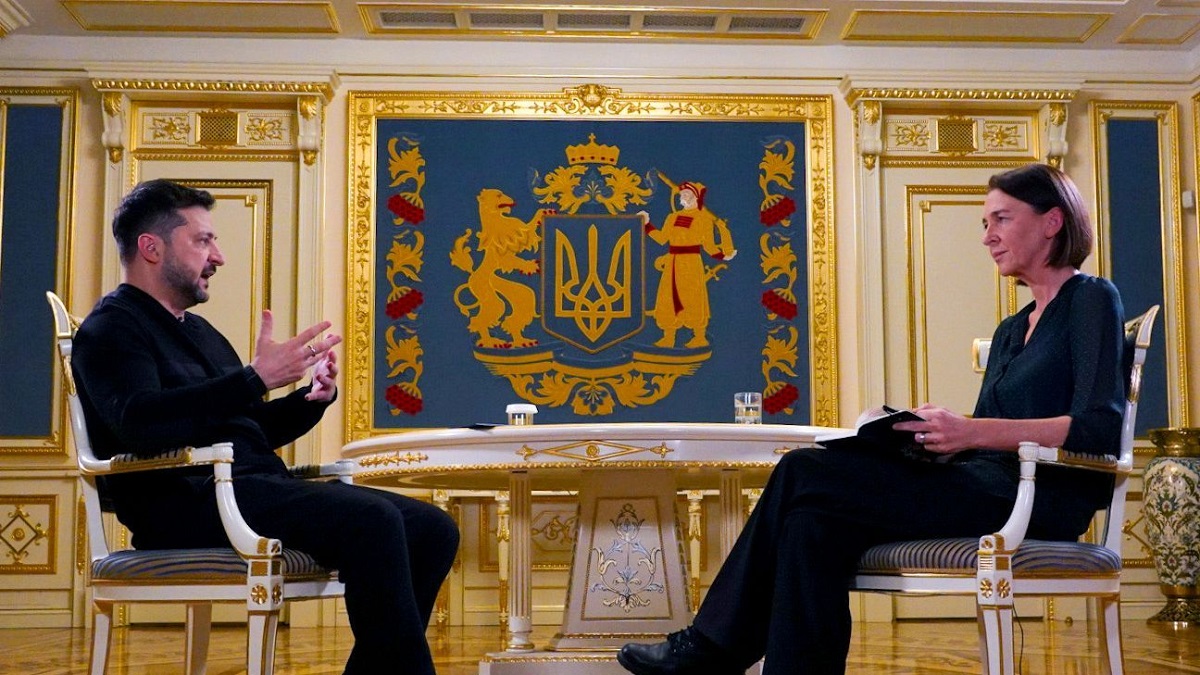
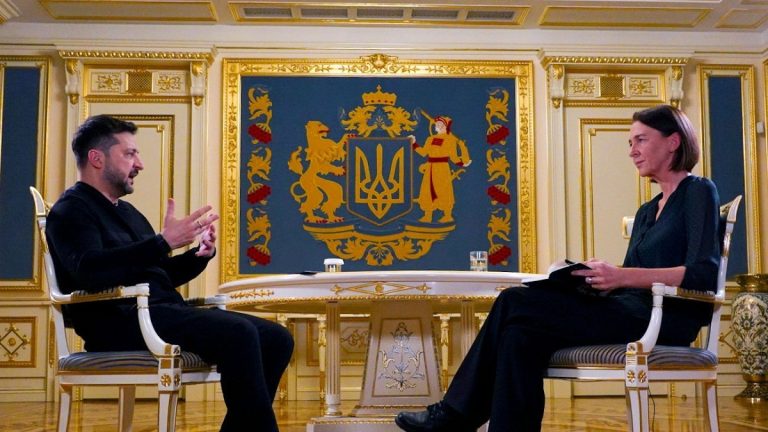
In an interview with the BBC, Zelensky said Putin’s actions as Russia’s leader made Trump’s friendly description difficult to understand. He also expressed frustration over delays in the delivery of vital air-defence missiles, warning that Ukraine’s shortage of anti-ballistic weapons was putting lives at risk.
Key Points
Zelensky called Trump’s description of Putin as “my friend” strange and rejected the idea that the Russian leader could be considered a friend.
He compared the description to calling Adolf Hitler a friend during the Second World War.
Ukraine’s president accused Washington of not applying sufficient pressure on Russia during peace negotiations.
Zelensky said delays in anti-ballistic missile deliveries were creating serious problems for Ukraine’s air defences.
His comments highlight growing tensions over US policy, military assistance and the prospects for ending the war.
Zelensky Challenges Trump’s Description of Putin
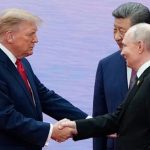
The controversy follows Trump’s meeting with Putin at a summit in China on November 19. Trump later shared a photograph of the two leaders shaking hands on his Truth Social account, describing the Russian president as “My Friend.”
Asked about the post by BBC correspondent Sarah Rainsford, Zelensky acknowledged that Trump could choose his own words but questioned the decision to describe Putin in such friendly terms.
“He’s an aggressor … and a killer. He can’t be a friend,” Zelensky said.
He then drew a historical comparison with the Second World War, arguing that describing Hitler as a good friend would be equally inappropriate.
The remarks reflect a fundamental difference between Kyiv’s view of Russia and Washington’s diplomatic engagement with Moscow. For Ukraine, any negotiations must account for Russia’s invasion and continuing military operations, rather than treating the conflict simply as a disagreement between two governments.
US Pressure on Russia Remains a Central Dispute
Beyond Trump’s description of Putin, Zelensky used the BBC interview to raise broader concerns about American policy towards the war.
He argued that the United States has considerable influence over Moscow but is not using that leverage strongly enough during peace negotiations. In his view, Washington should put pressure on the country continuing the invasion rather than simply encourage discussions between the two sides.
Zelensky also highlighted Ukraine’s shortage of anti-ballistic missiles. He said delays in securing essential air-defence equipment were a serious concern, particularly as the country faces continued Russian attacks.
The issue is significant because diplomatic negotiations cannot be separated from Ukraine’s ability to defend its cities and infrastructure. Kyiv needs both military assistance and meaningful diplomatic pressure if it is to negotiate from a stronger position. The Associated Press also highlighted concerns over delayed Patriot missile deliveries and wider strains in US-Ukraine relations. AP News+1
What the Disagreement Means for Ukraine Peace Talks
The latest comments underline a difficult balance in Trump’s approach to the conflict: maintaining communication with Putin while trying to secure an agreement that could end the fighting.
For Zelensky, the central question is whether that engagement will produce concrete pressure on Russia or give Moscow more room to continue its military campaign.
Relations between Trump and Zelensky have already experienced serious difficulties. Their disagreement became public during a confrontation in the Oval Office in February 2025. More recently, they have clashed over Ukrainian strikes on Russian oil refineries and the possibility of restrictions on US intelligence support, according to Reuters. Reuters+1
Zelensky’s latest remarks therefore concern more than diplomatic language. They expose a wider disagreement over how the United States should use its political and military influence to bring the Russia-Ukraine war closer to an end.
There is no indication in the interview that Trump’s description of Putin as a friend represents a formal change in US policy. The significance lies in the contrast between Washington’s diplomatic engagement and Kyiv’s demand for stronger action against Russian aggression.
Hello! I'm M Muzamil Shami, the founder and lead editor of Star Struck Times, your trusted source for trending news, entertainment scoops, celebrity gossip, sports highlights, and global headlines.
With a passion for storytelling and journalism, I created this platform to bring you breaking news, viral moments, and deep insights into the worlds of Bollywood, Hollywood, sports, politics, tech, and more — all in one place.