STAR STRUCK TIMES | WORLD NEWS | MIDDLE EAST
KUWAIT CITY / ROME, November 27, 2026
Two Italian technicians have died after a drone attack targeted an air-defence surveillance facility in Kuwait, triggering a diplomatic dispute between Italy, Kuwait and Iran. While Italian and Kuwaiti authorities have blamed Tehran for the incident, Iran has rejected responsibility, described the allegations as suspicious and offered to cooperate in a joint investigation.

The victims were employees of Rheinmetall Italia, the Italian subsidiary of German defence company Rheinmetall. They were working on maintenance operations involving detection antennas for the Skyguard air-defence system used by Kuwait’s armed forces, according to Italy’s Foreign Ministry. esteri.it+1
Key Points
- Two Italian technicians died after a drone incident at a military-related facility in Kuwait on November 26.
- A Kuwaiti national and a Pakistani national were also injured.
- Italy and Kuwait have blamed Iran, while Tehran has denied involvement.
- Iranian Foreign Minister Abbas Araghchi has proposed a joint investigation.
- The incident adds to tensions surrounding the wider US-Israel-Iran conflict and security across the Gulf.
What happened in the Kuwait drone attack?
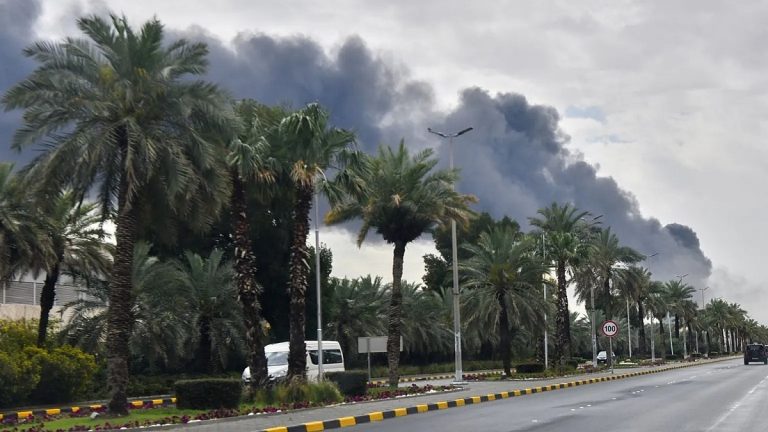
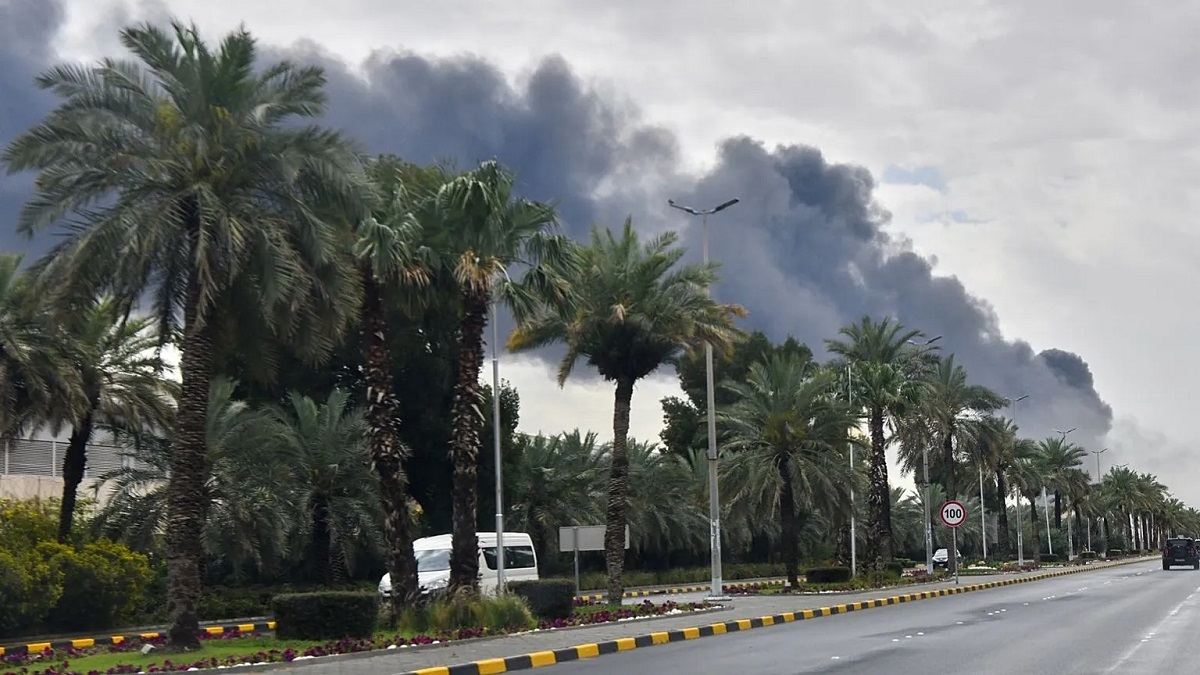
The incident occurred on Thursday, November 26, when several drones entered Kuwaiti airspace and were intercepted by the country’s armed forces, according to Kuwaiti and Italian accounts.
Kuwait’s Defence Ministry initially reported that four people had been injured by falling debris at a vital facility. It later confirmed that the two Italian nationals had died from their injuries. The other casualties were a Kuwaiti national and a Pakistani national.
Italian Foreign Minister Antonio Tajani told the Italian Senate that the facility included an air-defence surveillance station where the two technicians were working.
Italy’s Foreign Ministry separately confirmed the deaths and said the technicians had been carrying out maintenance work on the detection antennas of the Skyguard system. esteri.it+2
Why is Iran denying responsibility?
Iran has rejected accusations that its military carried out the attack.
Foreign Minister Abbas Araghchi described the incident as suspicious and suggested that the accusations could be intended to create further instability in the region. He also contacted his Kuwaiti and Italian counterparts and offered cooperation in a joint investigation to establish what happened.

Iran’s military spokesperson, Abolfazl Shekarchi, also denied that Iranian forces had conducted military or offensive operations in the region. Iranian representatives have suggested that the incident could be part of an attempt to widen the conflict, but have not publicly provided independently verified evidence establishing an alternative explanation. Euronews+2
The competing accounts leave an important question unresolved: who launched the drones responsible for the incident?
Italy and Kuwait blame Tehran
Italy and Kuwait have both attributed the attack to Iran.
Tajani said the drones were Iranian and confirmed that Italy would raise the matter with Iran’s diplomatic representatives. He also expressed condolences to the victims’ families and stressed the importance of preventing further escalation.
Kuwait’s Foreign Ministry condemned the incident as an attack on the country’s sovereignty and security. It also reserved the country’s right to take necessary measures to protect its territory and vital facilities.
The Kuwaiti government has received support from other Gulf countries, with regional governments condemning the incident and expressing solidarity with Kuwait. Reuters+2
What remains unverified?
An important distinction in the incident is that the two Italians reportedly died from falling debris after drones were intercepted, rather than from a confirmed direct impact on their workplace.
Italy and Kuwait have identified Iran as responsible, while Tehran has rejected that conclusion. However, the publicly available accounts do not establish an independently verified chain of evidence identifying the operators or proving the precise circumstances of the interception.
Araghchi’s proposal for a joint investigation could therefore become significant. An investigation involving the relevant governments may help establish the drones’ origin, the circumstances surrounding the interception and the sequence of events that caused the casualties.
Until further evidence is released, Iran’s denial and the accusations against it remain competing official positions.
Why the incident matters beyond Kuwait
The deaths come amid an increasingly dangerous confrontation involving Iran, the United States and Israel, with tensions spreading across the Gulf.
Kuwait’s strategic importance makes the incident particularly sensitive. The country hosts important military infrastructure and has faced previous security threats during the wider regional conflict.
Reuters reported that the Kuwait incident was the second reported Iranian attack on the US-allied Gulf state during November. Earlier in the month, Iran said it had targeted US drone and missile sites in Kuwait following American strikes on Qeshm Island in the Strait of Hormuz. Reuters+1
For Italy, the deaths also raise concerns about the safety of civilian technical personnel working on defence infrastructure overseas.
The central issue now is whether a joint investigation can establish responsibility and prevent the incident from triggering another escalation between Tehran and Gulf countries.