WORLD NEWS | NOVEMBER 19, 2026
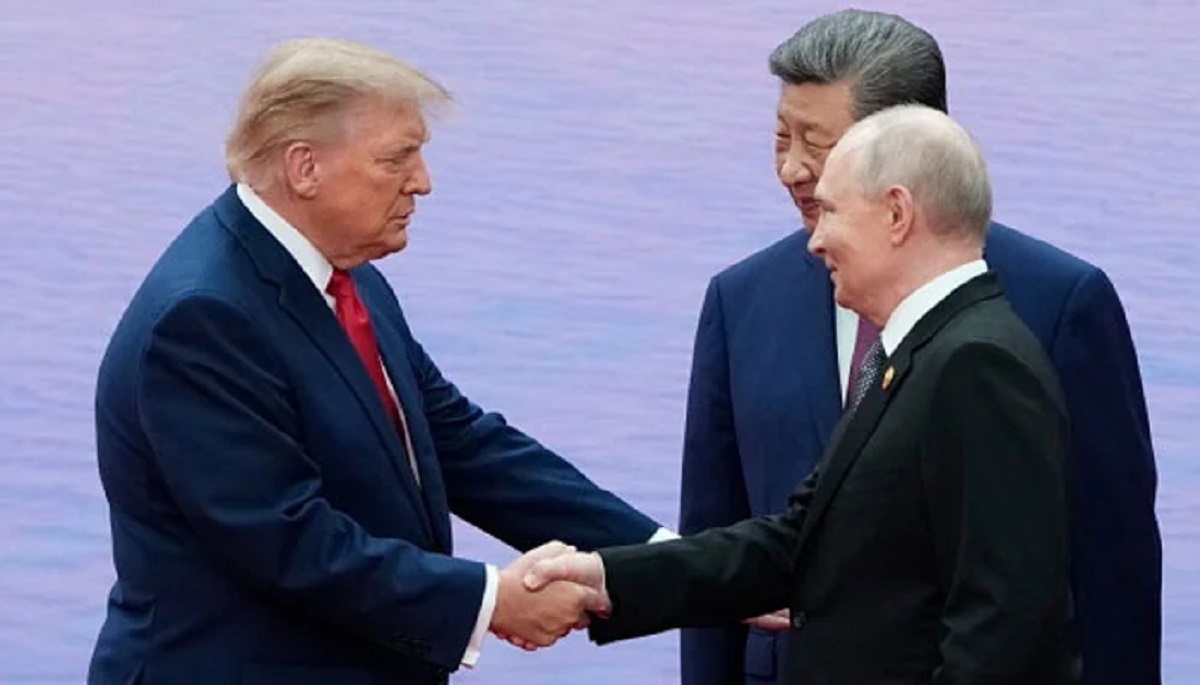
SHENZHEN, China — US President Donald Trump, Chinese President Xi Jinping and Russian President Vladimir Putin are preparing for an unprecedented three-way meeting on the sidelines of the Asia-Pacific Economic Cooperation (APEC) summit in Shenzhen on Thursday, November 19, as competing economic and geopolitical interests put the gathering under international scrutiny.
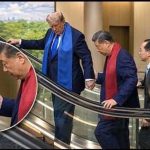
The planned meeting comes after Xi personally welcomed Trump at Shenzhen airport, an unusual diplomatic gesture that highlighted the importance Beijing is placing on the US president’s visit. Meanwhile, Putin used his appearance at the APEC gathering to promote Russia as an important economic partner for Asia-Pacific countries, calling for greater use of Russian transport and logistics infrastructure.

Key Points
- Trump, Xi and Putin are scheduled to hold their first-ever trilateral presidential meeting in Shenzhen.
- Xi personally welcomed Trump at the airport in an unusual diplomatic gesture.
- Putin urged APEC economies to strengthen cooperation with Russia and use its logistics infrastructure.
- The discussions could touch on nuclear arms control, the Iran conflict, Ukraine, trade and strategic stability.
- Expectations for concrete agreements remain uncertain, with significant differences between the three governments.
Putin Promotes Russian Logistics and Regional Cooperation
During his address to the APEC gathering, Putin described Russia as an integral part of the Asia-Pacific region and presented closer economic cooperation as a strategic priority for Moscow.
According to Reuters, the Russian president encouraged regional economies to use Russia’s logistics infrastructure and said his country was contributing to regional food and energy security.
“I would like to emphasise that constructive partnership with APEC economies is Russia’s strategic course. We are an integral part of the region and make a significant contribution to its economic prosperity,” Putin said.
He also called on APEC members to establish a unifying atmosphere and develop a constructive agenda for cooperation. Putin expressed support for the draft of the group’s final communiqué, which is intended to outline areas of regional collaboration.
His remarks reflect Moscow’s effort to maintain economic connections with Asia-Pacific countries despite Western sanctions and restrictions imposed following Russia’s invasion of Ukraine.
Why the Trump-Xi-Putin Meeting Matters
The planned gathering brings together the leaders of the world’s three major nuclear powers at a time of heightened international tensions.
According to reporting by Reuters and other international media, potential discussion areas include nuclear weapons, the war in Iran, Russia’s war in Ukraine, international trade and broader strategic stability.

However, the significance of the meeting should not be confused with an expectation of immediate agreements. The three governments have different priorities, and their positions on major international conflicts remain far apart.
An Associated Press report has also highlighted concerns that the gathering could deliver diplomatic symbolism without producing substantial policy breakthroughs. Analysts have cautioned against interpreting the meeting as evidence that the three powers are preparing to divide the world into spheres of influence.
The important question is whether the historic diplomatic encounter can produce practical cooperation or will primarily serve as a demonstration of political influence.
What Could Limit the Outcome?
Despite the historic nature of the proposed meeting, the diplomatic expectations need to be viewed cautiously.
Reuters reported that the Kremlin did not expect full-scale bilateral negotiations between Trump and Putin. Kremlin foreign policy aide Yuri Ushakov said representatives from both delegations would attend the discussions, but the format would not amount to comprehensive negotiations. Reuters+1
The Associated Press has also highlighted the differences between the three leaders’ priorities. Trump has expressed interest in nuclear arms control, while Putin wants to advance Russia’s position on Ukraine. China, meanwhile, has its own economic and diplomatic interests to protect. AP News+1
That makes the Shenzhen gathering significant even if it produces no immediate agreement. The leaders’ willingness to appear together could carry diplomatic weight, but the substance of their discussions will matter more than the photographs.
For now, Putin’s appeal for deeper regional economic cooperation and the planned trilateral encounter put Russia’s Asia-Pacific ambitions alongside the broader geopolitical questions facing Washington, Beijing and Moscow.