Star Struck Times | World News | November 15, 2026
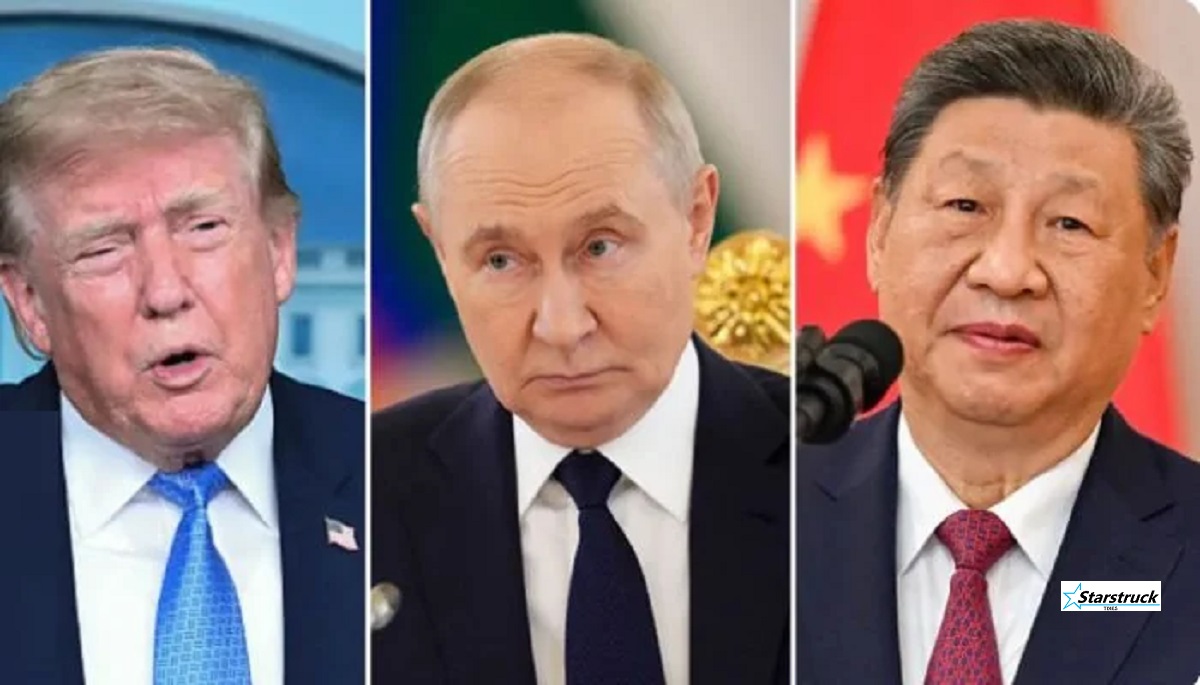
SHENZHEN, China — US President Donald Trump, Chinese President Xi Jinping and Russian President Vladimir Putin are expected to hold an unprecedented three-way meeting in Shenzhen, China, on November 19, 2026, on the sidelines of the Asia-Pacific Economic Cooperation (APEC) summit. The White House has confirmed plans for the historic gathering, which is expected to address nuclear weapons reduction and the Iran conflict. However, officials have cautioned that the talks are unlikely to produce an immediate agreement.
The proposed meeting brings together the leaders of the world’s three major nuclear powers at a particularly sensitive moment in international relations. It could open a new diplomatic channel on nuclear arms control, but significant differences between Washington, Beijing and Moscow remain.

Key Points
- Trump, Xi and Putin are expected to meet on November 19 in Shenzhen, China.
- Nuclear weapons reduction is expected to be a central subject.
- The Iran conflict is also expected to feature in discussions.
- Washington does not expect an immediate nuclear arms agreement.
- Russia’s war in Ukraine is not expected to be part of the trilateral agenda.
Why the Meeting Matters Beyond the Headlines
The most important question surrounding the historic summit is whether the three governments can find common ground on nuclear security despite their competing strategic interests.
The last major nuclear arms control agreement between Washington and Moscow, known as the New START treaty, expired in February 2026. Its expiration removed the limits that had previously applied to the two countries’ strategic nuclear arsenals, making future arms control discussions increasingly important.
Trump has expressed interest in a broader agreement involving China. However, Beijing has been reluctant to participate in negotiations alongside Washington and Moscow because its nuclear arsenal remains considerably smaller than those of the other two countries.
According to reporting by The Associated Press, US and Russian nuclear stockpiles each exceed 5,000 warheads, while China’s arsenal is estimated at more than 600. This imbalance is one of the central obstacles to a potential three-country agreement. AP News+1
Ukraine Could Remain Outside the Discussions
Another significant issue is Russia’s ongoing war in Ukraine.
Although Putin has an interest in discussing the conflict, US officials have indicated that Ukraine is not expected to be part of the trilateral agenda. Washington considers the three-country meeting an inappropriate forum for addressing the separate US-Russia diplomatic track.
The possibility of major powers discussing international conflicts without the countries directly affected has also raised concerns. Ukrainian President Volodymyr Zelenskyy has previously warned against arrangements resembling the 1945 Yalta Conference, where major powers negotiated postwar arrangements that shaped the future of other countries.

Reuters reported that the proposed Shenzhen gathering has revived concerns about a possible modern version of great-power diplomacy conducted without smaller countries having a seat at the table. Reuters+1
China Faces Its Own Diplomatic Challenge
For Xi Jinping, hosting Trump and Putin offers an opportunity to demonstrate China’s international influence. However, the meeting also presents diplomatic complications.
Beijing has promoted multilateral cooperation and positioned itself as a supporter of a more balanced international order. Hosting a meeting dominated by three major powers could raise questions about how that position translates into practice.
China also has different priorities from Washington and Moscow. While Trump wants discussions about nuclear arms reduction and Putin may seek progress on Ukraine, Beijing has reasons to avoid commitments that could place restrictions on its growing nuclear capabilities.
Reuters reported on November 14 that negotiations over the meeting’s agenda and format were still developing, highlighting the differences between the three governments. Reuters+1
What Happens Next?
The November 19 meeting will be an important diplomatic moment, but its significance should not be confused with an agreement or breakthrough.
For now, the clearest expectation is that the three leaders will begin discussions about nuclear security and other international concerns. Whether those conversations lead to meaningful negotiations will depend on their willingness to address the differences separating their governments.
The historic gathering could therefore matter as much for what it reveals about US-China-Russia relations as for any immediate decisions made behind closed doors.