Satellite imagery shows area near Kuwait airport following Iran war escalation
Washington, United States — April 1, 2026, 12:40 PM — Star Struck Times
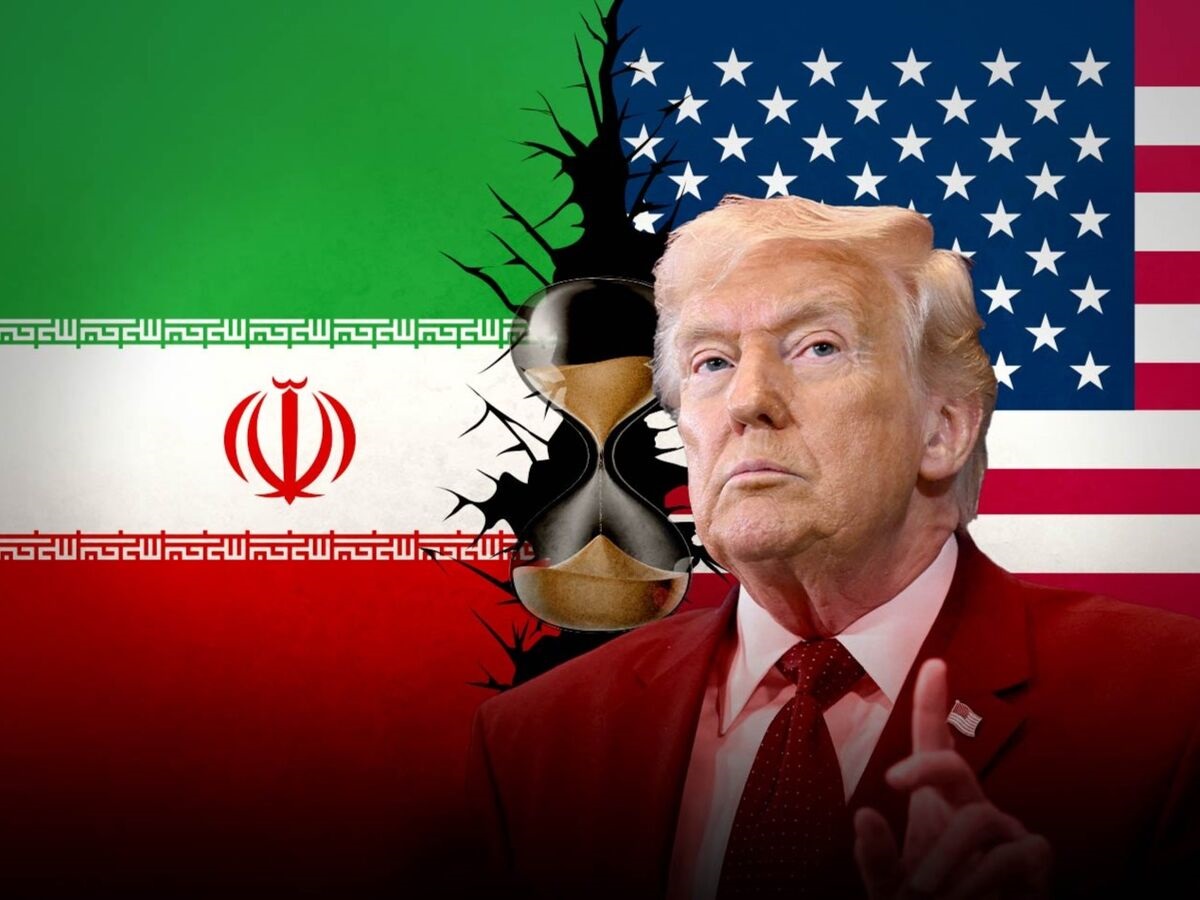
The Iran war appears to be entering a decisive phase after former U.S. President Donald Trump signaled that American forces could withdraw within weeks, even as reports emerged of a strike impacting infrastructure in Kuwait. The developments mark a potential turning point in a conflict that has rattled global energy markets, disrupted airspace across the Gulf, and raised fears of a broader regional escalation. The next few weeks may determine whether diplomacy succeeds where military pressure has not.
For ongoing geopolitical coverage, readers can explore our World News for related updates.
Key Highlights
Trump reportedly told aides the conflict could end in 2–3 weeks
Iran claims it has the “necessary will” to bring hostilities to a close
Reports indicate a strike affecting infrastructure near Kuwait’s main airport
Oil markets remain volatile due to continued uncertainty around the Strait of Hormuz
The United Nations has urged immediate de-escalation to prevent regional spillover
What Happened: Escalation, Signals of Exit, and a Strike in Kuwait
The conflict, which began on February 28, 2026, with joint U.S.-Israeli strikes on Iranian military infrastructure, has entered a volatile but possibly transitional stage. Over the past 48 hours, multiple international outlets reported that Trump has privately indicated willingness to end military operations without first securing the reopening of the Strait of Hormuz.
At the same time, regional tension spiked following reports that a projectile strike affected facilities near Kuwait International Airport, a major logistics hub for both civilian travel and U.S. military transport. The exact extent of damage and whether the airport itself was directly targeted remains under verification by regional authorities.
According to conflict timelines compiled by international researchers, Iranian retaliatory strikes have included missiles and drones aimed at strategic military and energy assets across the Gulf region since the initial assault in late February.
Official and Public Reactions: Mixed Signals from Washington and Tehran
In Washington, senior officials have neither fully confirmed nor denied the reported withdrawal timeline, but diplomatic messaging has increasingly focused on “mission completion” and limiting further escalation. Meanwhile, Tehran’s foreign ministry stated that Iran possesses both the military and political capacity to sustain operations but prefers an outcome that preserves national sovereignty.
The United Nations has reiterated its call for an immediate cessation of hostilities, warning that continued attacks on regional infrastructure could violate international law and further destabilize civilian air travel and energy supply routes.
Public reaction globally has been divided. One energy analyst quoted in international media noted:
“Ending a war without reopening Hormuz is unprecedented — it would mean military victory without economic stabilization.”
On social media platforms, Gulf residents expressed concern about aviation safety, with one traveler posting, “We just want flights to operate normally again — the uncertainty is the scariest part.”
Why It Matters: Oil, Airspace, and Global Supply Chains at Risk
The strategic importance of the Strait of Hormuz cannot be overstated. Roughly 20% of global oil supply passes through this narrow waterway. Continued disruption has already forced energy analysts to sharply revise global oil forecasts upward, reflecting fears of prolonged instability.
If the U.S. exits without ensuring secure maritime passage, insurance costs, tanker rerouting, and shipping delays could persist for months. This scenario would likely keep fuel prices elevated globally, affecting economies far beyond the Middle East.
The reported strike near Kuwait’s airport underscores another growing concern: the vulnerability of civilian aviation hubs in modern warfare. Airports that serve both civilian and military logistics are increasingly viewed as dual-use targets, complicating legal and operational responses.
Historical Context: Why Predictions of “Wars Ending in Weeks” Are Risky
Military historians caution that optimistic timelines for war termination have historically proven unreliable. From the Iraq War in 2003 to multiple Middle Eastern interventions since, early declarations of imminent victory often preceded years of instability.
The current conflict follows a similar trajectory: a swift opening phase aimed at crippling leadership and infrastructure, followed by a prolonged period of asymmetric retaliation involving drones, cyber operations, and proxy attacks.
This pattern suggests that even if formal hostilities wind down in weeks, the region could face months or years of residual conflict, including militia activity and maritime harassment.
A Unique Angle: The Silent Battlefield — Aviation and Insurance Markets
While much media focus remains on military strikes and diplomatic statements, one of the least discussed impacts of the Iran war has been the transformation of global aviation risk assessment.
Airlines, insurers, and regulators now treat Gulf airspace similarly to active conflict zones. Premiums for war-risk insurance have surged, and carriers have begun routing flights farther south, increasing costs and travel time.
This shift represents a structural change: even if a ceasefire is announced, airlines may take months before fully restoring pre-war routes, meaning the economic aftershocks will outlast the shooting.
What Happens Next
The next two to three weeks will be decisive. Observers are watching three indicators:
Whether Iran reduces missile launches across the Gulf
Whether the U.S. begins visible troop redeployments
Whether negotiations reopen through intermediaries such as Oman or Qatar
A formal ceasefire announcement could stabilize markets overnight. However, continued strikes or another incident involving civilian infrastructure — such as an airport — would likely reset diplomatic progress and prolong the crisis.
FAQs
Why did the Iran war start in 2026?
The conflict escalated after U.S.-Israeli strikes targeted Iranian military and leadership infrastructure on February 28, 2026, triggering widespread retaliatory attacks.
Is Kuwait airport still operational after the reported strike?
Authorities have not confirmed full damage details, but early reports suggest limited disruption rather than complete closure.
Why is the Strait of Hormuz so important in this war?
It is the primary route for about one-fifth of global oil shipments, making it critical for energy security worldwide.
Has the United Nations taken action regarding the conflict?
Yes. The UN has repeatedly called for de-escalation and warned that attacks on regional infrastructure threaten international peace and aviation safety.
Could the Iran war really end in a few weeks?
While political leaders have suggested this possibility, military analysts caution that regional conflicts often continue in lower-intensity forms even after formal withdrawal announcements.
Hello! I'm M Muzamil Shami, the founder and lead editor of Star Struck Times, your trusted source for trending news, entertainment scoops, celebrity gossip, sports highlights, and global headlines.
With a passion for storytelling and journalism, I created this platform to bring you breaking news, viral moments, and deep insights into the worlds of Bollywood, Hollywood, sports, politics, tech, and more — all in one place.