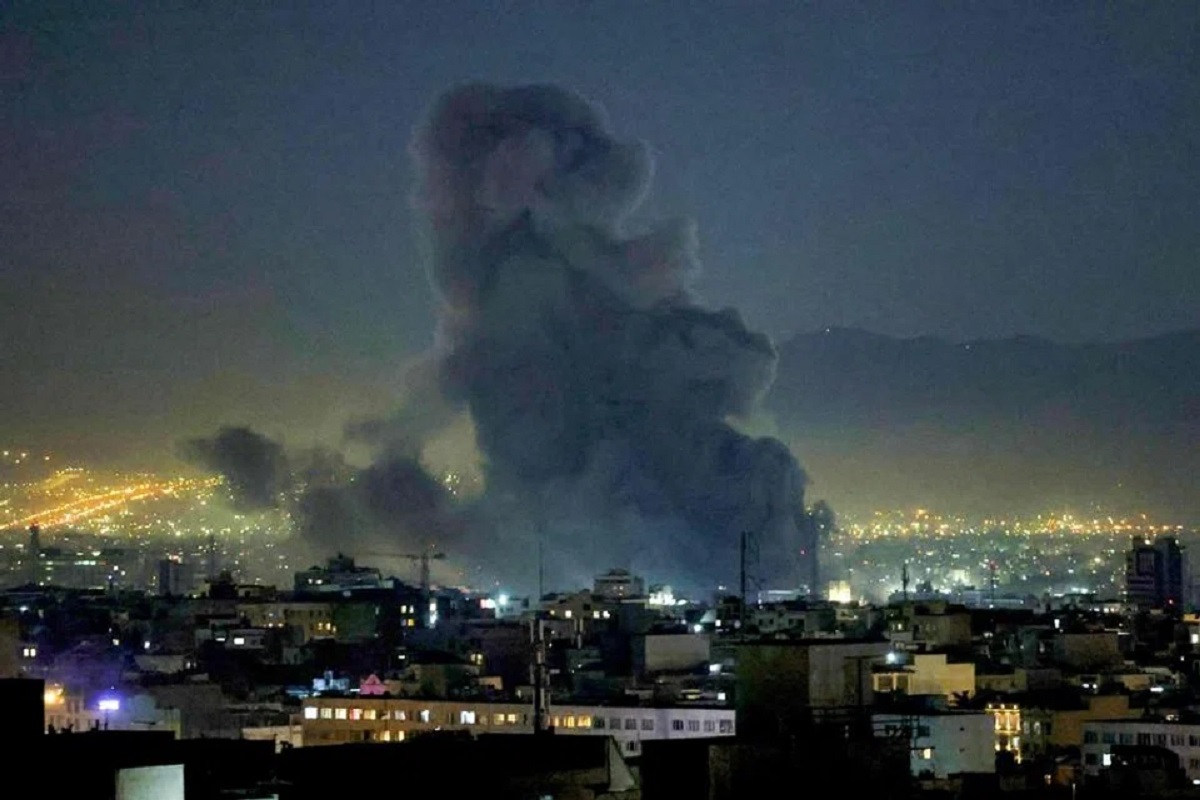
BEIJING, November 20, 2026 — China has renewed its call for restraint over the escalating conflict involving the United States and Iran, warning that further military action could deepen regional instability and threaten energy security. Beijing has consistently urged Washington and Tehran to resolve their differences through negotiations rather than military force.
However, there is an important distinction in the latest reporting: China’s recent public statements call for an end to military escalation, while its more direct comments about attacks on energy infrastructure date back to April 2026. The two positions should not be presented as a newly issued, specific warning against attacks on Iranian oil facilities.
Key Points
China has urged the United States and Iran to avoid renewed military escalation.
Beijing has warned that attacks and prolonged conflict could threaten global energy security.
China’s April 2026 statement directly addressed US threats against Iranian energy infrastructure.
The Strait of Hormuz remains a critical concern for international oil supplies.
China is promoting diplomatic engagement as an alternative to further military confrontation.
Why China’s Warning Matters for Global Oil Markets
China’s position carries significance beyond its diplomatic relationship with Tehran. The country has substantial economic interests in maintaining stable energy supplies, and disruptions in the Persian Gulf can affect international oil markets, shipping costs and fuel prices.
The Strait of Hormuz is particularly important because it connects major oil-producing countries in the Persian Gulf with international shipping routes. Any prolonged disruption could have consequences for countries that depend on energy imports.
In an April 2 briefing, Chinese Foreign Ministry spokeswoman Mao Ning responded directly to US President Donald Trump’s threats against Iranian energy infrastructure. She said military escalation would harm the world economy and global energy security, urging the parties to stop military operations and begin peace talks. newyork.china-consulate.gov.cn
China also addressed renewed military tensions on November 3, after US strikes on Iran’s Qeshm Island. Mao said military action would only lead to escalation and called for dialogue and negotiations to restore stability in the Middle East and Gulf region. Anadolu Agency
Diplomatic Pressure Continues as US Weighs Its Next Move
The diplomatic debate is unfolding as Washington considers its next steps toward Tehran.
A November 14 Reuters report said Trump had told senior advisers he might hold off on further attacks if Iran and Iran-backed Houthi forces did not provoke the United States. Saudi Arabia and Turkey had also urged him against restarting military operations. However, Reuters reported that Trump had made no commitment to either course. Reuters
Meanwhile, the Associated Press reported on November 20 that US Secretary of State Marco Rubio considered further military action unnecessary, arguing that economic pressure had significantly weakened Iran. The report also highlighted continuing maritime security concerns in the Strait of Hormuz. AP News
For China, the central concern is that another round of military escalation could undermine regional stability and make an already difficult energy-security situation worse.
Beijing’s statements support a clear call for restraint and diplomacy. However, there is no verified basis to describe its latest public position as a newly announced, specific demand concerning additional strikes on Iranian oil facilities.
Hello! I'm M Muzamil Shami, the founder and lead editor of Star Struck Times, your trusted source for trending news, entertainment scoops, celebrity gossip, sports highlights, and global headlines.
With a passion for storytelling and journalism, I created this platform to bring you breaking news, viral moments, and deep insights into the worlds of Bollywood, Hollywood, sports, politics, tech, and more — all in one place.