TAIPEI, Taiwan — November 29, 2026
Taiwan’s ruling Democratic Progressive Party (DPP) made gains in Saturday’s local elections, while the opposition Kuomintang (KMT) retained control of Taipei, in a vote closely watched by China for signs of Taiwan’s political direction ahead of the 2028 presidential election.
The November 28 elections covered all 22 cities and counties, with voters choosing local leaders for four-year terms. Although campaigns largely focused on everyday concerns such as transportation, the environment and public services, the results attracted international attention because of their potential implications for Taiwan-China relations. Reuters+2

Key Points
- Taiwan’s ruling DPP made gains compared with the 2022 local elections.
- KMT incumbent Chiang Wan-an won re-election as Taipei mayor.
- DPP candidate Puma Shen conceded defeat in the capital.
- The DPP and KMT each won three of Taiwan’s six largest cities.
- The election offers an early indication of political sentiment ahead of the 2028 presidential contest.
Why China Is Paying Attention
China claims Taiwan as part of its territory, although Beijing has never governed the self-ruled island. Taiwan’s government rejects China’s sovereignty claims and maintains its own democratic political system.
Beijing’s interest in the elections goes beyond the selection of mayors and county leaders. The results offer an indication of how voters view the governing DPP and the opposition KMT, two parties with different approaches to relations with mainland China.
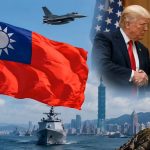
The contest also comes amid heightened military pressure. Taiwan’s Ministry of National Defense reported 33 Chinese military aircraft sorties and eight Chinese naval vessels around the island on Friday, November 27, according to Reuters. Reuters+2
The political atmosphere was particularly visible in Taipei, where DPP candidate Puma Shen faced incumbent Chiang Wan-an. Beijing has strongly criticized Shen and sanctioned him over his political activities.
Chiang secured another term, defeating Shen, who conceded defeat. The result keeps Taipei under KMT leadership, despite the DPP’s broader gains elsewhere. DW+2
What the Results Mean for Taiwan’s 2028 Election
The latest election-night count reported by Taiwan’s Central Election Commission showed the KMT winning 11 of the 22 city and county leadership races, compared with 10 for the DPP. An independent candidate won the remaining seat. The DPP had controlled five local governments following the 2022 elections, making its latest gains significant. Focus Taiwan+2
The six largest municipalities were divided evenly between the two main parties. The DPP won Taichung, Tainan and Kaohsiung, while the KMT retained Taipei, New Taipei and Taoyuan.

However, local election results should not be treated as a direct prediction of the 2028 presidential contest. Voters were primarily choosing local administrators, and issues such as public services, transport and the environment played an important role in campaigning.
That distinction is important when interpreting China’s interest. The elections provide political signals about Taiwan’s domestic mood, but they do not establish that voters have endorsed a particular future policy toward Beijing.
President Lai Ching-te’s DPP will have to assess its expanded local presence alongside the KMT’s continued advantage in the overall number of local governments. Both parties now have an important political test ahead as Taiwan moves toward its next presidential election.
For international observers, the central question is whether these local political shifts will influence the island’s wider debate over security, democracy and relations with China. Reuters+2