A map showing the epicenter of the magnitude 7.0 earthquake off Taiwan’s northeastern coast near Yilan
Yilan, Taiwan — Star Struck Times
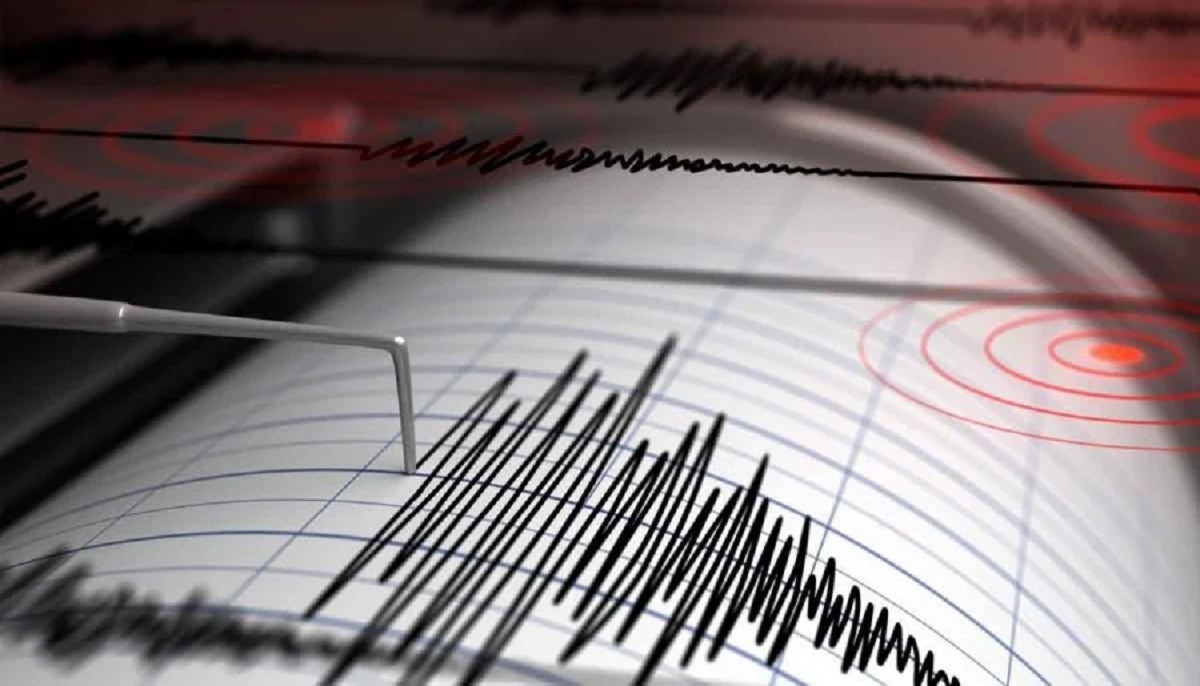
A powerful magnitude 7.0 earthquake struck off Taiwan’s northeastern coast near Yilan on Saturday, shaking buildings across the island, including in the capital Taipei, and briefly cutting power to thousands of homes. Taiwanese authorities reported no immediate major casualties or widespread structural damage, though officials urged residents to remain alert for strong aftershocks expected over the next 24 hours. The quake, which occurred offshore at a considerable depth, once again highlighted Taiwan’s vulnerability to seismic activity due to its location along major tectonic plate boundaries.
Key Highlights
A 7.0 magnitude earthquake hit 32 km off Yilan’s coast on Saturday
Tremors were felt across Taiwan, including Taipei
More than 3,000 homes in Yilan briefly lost power
No major damage or casualties reported in the immediate aftermath
Authorities warned of aftershocks between magnitude 5.5 and 6.0
What Happened: Timeline and Seismic Details
According to Taiwan’s Central Weather Administration, the earthquake struck approximately 32 kilometers offshore from Yilan, a northeastern coastal county, at a depth of 73 kilometers (45 miles). The quake was classified as an intensity-four event, indicating the potential for minor damage, but not severe structural impact.
The tremor was strong enough to be felt across the island, shaking buildings in Taipei and other major cities. Residents reported swaying lights and brief moments of panic, particularly in high-rise apartments. Despite the widespread shaking, officials emphasized that the quake’s offshore location and depth helped reduce its destructive potential.
The Taipei City Government confirmed that there were no reports of major damage in the capital. However, isolated incidents such as minor building damage, gas leaks, and water pipe issues were recorded and addressed by emergency services.
Infrastructure Impact and Official Response
One of the most immediate impacts was a temporary power outage affecting more than 3,000 households in Yilan, according to the Taiwan Power Company. Electricity was restored shortly after, and no long-term disruptions were reported.
Major semiconductor manufacturer TSMC stated that a small number of facilities at the Hsinchu Science Park briefly met evacuation thresholds following the quake. Employees were evacuated as a precautionary measure and later returned to their workstations once safety checks were completed.
Taiwan President Lai Ching-te addressed the situation in a social media statement, assuring the public that authorities had the situation under control. He also urged citizens to stay vigilant, particularly as aftershocks were expected.
Emergency response units across the island were placed on standby, with local governments conducting rapid assessments of infrastructure, transportation networks, and public utilities.
Public Reaction and Safety Warnings
The Central Weather Administration warned that aftershocks ranging from magnitude 5.5 to 6.0 could occur within the next day. Residents, especially those in northeastern Taiwan, were advised to avoid damaged structures and secure heavy objects in their homes.
Public reaction was largely calm, reflecting Taiwan’s familiarity with seismic events. Many residents shared updates on social media confirming their safety, while also recalling past devastating earthquakes that have shaped the island’s preparedness culture.
Emergency officials reiterated standard earthquake safety guidance:
Stay away from damaged buildings
Avoid elevators until inspections are completed
Be cautious of gas leaks and report them immediately
Why This Earthquake Matters
Taiwan’s geographic position near the junction of the Philippine Sea Plate and the Eurasian Plate makes it one of the most earthquake-prone regions in East Asia. While Saturday’s quake caused limited damage, it served as a reminder of the constant seismic risk faced by the island.
Media analysts believe that Taiwan’s strict building codes, regular earthquake drills, and rapid emergency response systems have played a significant role in minimizing casualties during recent seismic events. The offshore location and depth of this earthquake further reduced the likelihood of catastrophic damage.
Historically, Taiwan has experienced deadly earthquakes. In 2016, a quake in southern Taiwan killed more than 100 people, while a 7.3 magnitude earthquake in 1999 resulted in over 2,000 deaths, marking one of the deadliest natural disasters in the island’s history.
Each seismic event renews public discussion about disaster preparedness, infrastructure resilience, and the need for continuous investment in early warning systems.
Context: Taiwan’s Seismic History
Earthquakes are a recurring reality in Taiwan. The island experiences thousands of tremors annually, most of them minor. However, major quakes have periodically caused widespread devastation, reshaping urban planning and emergency management policies.
In response to past disasters, Taiwan has strengthened construction standards, invested heavily in earthquake monitoring technology, and improved coordination between national and local emergency agencies. These measures have significantly reduced loss of life in recent years, even during strong seismic events.
For more ongoing coverage of earthquakes and natural disasters, visit our Meteorological Insights section.
Conclusion: What Happens Next
As of Saturday evening, authorities continued to monitor seismic activity closely. While no major damage has been reported, inspections of public infrastructure, schools, and transportation systems are ongoing as a precaution.
Residents are advised to remain alert for aftershocks over the coming days and to follow guidance issued by local authorities. Officials emphasized that preparedness and public awareness remain key to minimizing risks in future seismic events.
FAQs
Where did the earthquake occur?
The earthquake struck about 32 kilometers off the northeastern coast of Yilan, Taiwan. It occurred offshore, which helped limit damage on land despite its strong magnitude.
How strong was the earthquake?
The quake measured 7.0 in magnitude and occurred at a depth of 73 kilometers, according to Taiwan’s Central Weather Administration.
Was there any major damage or casualties?
As of the latest reports, no major damage or casualties have been confirmed. Only minor building damage and brief power outages were reported.
Are aftershocks expected?
Yes. Authorities have warned of possible aftershocks between magnitude 5.5 and 6.0 within the next 24 hours.
Why does Taiwan experience frequent earthquakes?
Taiwan lies near the boundary of two major tectonic plates, making it highly prone to seismic activity.
Call to Action
Stay informed and prepared. Follow official advisories, check on loved ones, and ensure your emergency plans are up to date as aftershocks remain possible.
Hello! I'm M Muzamil Shami, the founder and lead editor of Star Struck Times, your trusted source for trending news, entertainment scoops, celebrity gossip, sports highlights, and global headlines.
With a passion for storytelling and journalism, I created this platform to bring you breaking news, viral moments, and deep insights into the worlds of Bollywood, Hollywood, sports, politics, tech, and more — all in one place.








Thanks for sharing. I read many of your blog posts, cool, your blog is very good. https://www.binance.com/register?ref=IXBIAFVY