Introduction
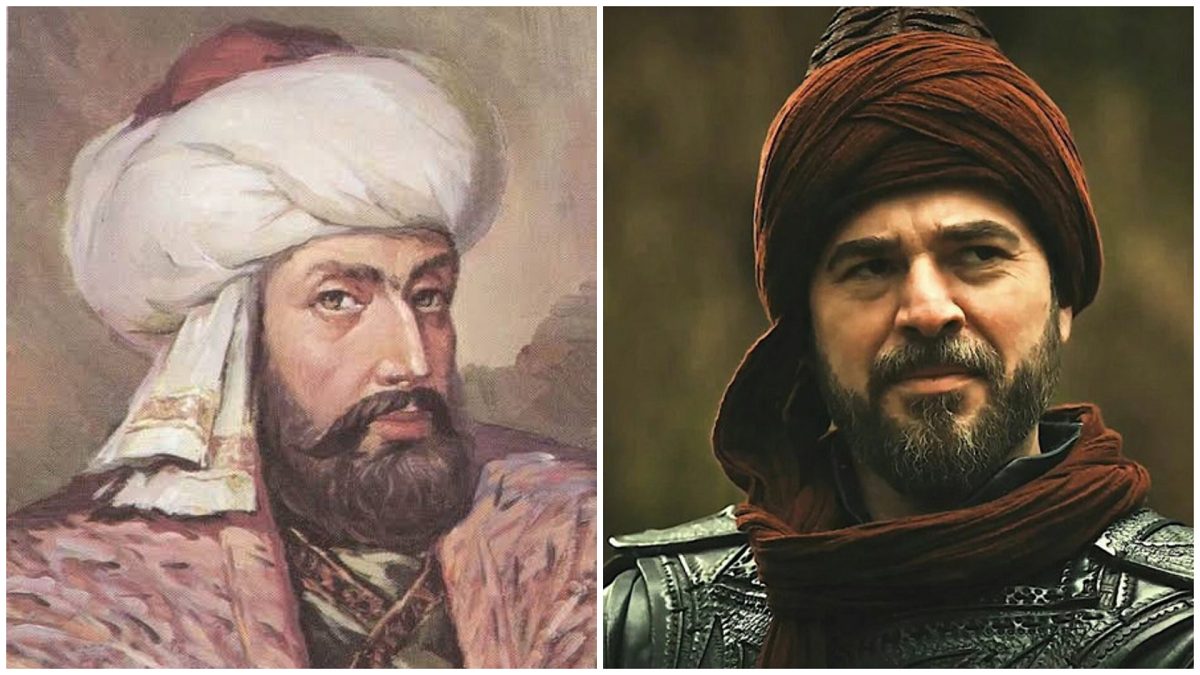
Few figures in Islamic and Turkish history command as much admiration, fascination, and historical significance as Ertuğrul Ghazi. Although he never ruled a vast empire himself, his achievements laid the foundation for one of the greatest empires in world history—the Ottoman Empire.
For millions of people across the Muslim world, Ertuğrul Ghazi symbolizes courage, faith, justice, leadership, and perseverance. His name became globally recognized in modern times through historical dramas, but the real Ertuğrul was far more than a legendary warrior. He was a tribal leader, military commander, diplomat, statesman, and visionary whose leadership enabled his son, Osman Ghazi, to establish what would become a six-century empire.
While historians continue to debate certain details of his life due to limited contemporary records, his impact on history remains undeniable. Without Ertuğrul Ghazi, there might never have been an Ottoman Empire, no conquest of Constantinople, and no Ottoman Caliphate that would influence world politics for centuries.

This comprehensive biography explores Ertuğrul Ghazi’s origins, family, wives, children, military campaigns, leadership style, historical significance, and enduring legacy.
Early Life and Origins
Ertuğrul Ghazi was born around the beginning of the 13th century, most commonly estimated between 1188 and 1198.
He belonged to the Kayı Tribe, one of the most respected branches of the Oghuz Turks. The Oghuz Turks originated in Central Asia and played a major role in shaping the political and cultural landscape of the Islamic world.
The period into which Ertuğrul was born was one of immense turmoil.
Across Central Asia:
- Mongol invasions were devastating kingdoms.
- Tribal confederations were breaking apart.
- Trade routes were becoming dangerous.
- Millions were migrating westward.
Like many Turkic tribes, the Kayı sought safety and opportunity in Anatolia.
Family Background
Father: Suleyman Shah or Gündüz Alp?
One of the most debated topics among historians concerns the identity of Ertuğrul’s father.

Traditional Ottoman sources identify his father as:
Suleyman Shah
However, some modern historians and archaeological evidence suggest that:
Gündüz Alp may actually have been his father.
Because contemporary records are scarce, scholars continue to debate the issue.
Regardless of which theory is accepted, Ertuğrul belonged to a respected Turkic warrior family that emphasized military excellence, tribal unity, and Islamic values.
Migration to Anatolia
During Ertuğrul’s youth, the Kayı Tribe migrated westward from Central Asia toward Anatolia.
This migration was driven by:
- Mongol expansion
- Political instability
- Economic pressures
- Search for secure settlement lands
The journey was extremely dangerous.
Entire tribes faced:
- Harsh climates
- Bandit attacks
- Warfare
- Starvation
The successful migration of the Kayı tribe would later become one of the most important events in Ottoman history.
Rise as Tribal Leader
After the death of his father, Ertuğrul emerged as the leader of the Kayı Tribe.
This was not merely an inherited position.
Leadership among Turkic tribes often depended upon:
- Personal courage
- Military success
- Tribal support
- Political wisdom
Ertuğrul demonstrated all these qualities.
His ability to unite his followers during difficult times quickly established him as a respected leader.
Alliance with the Seljuk Sultanate
One of Ertuğrul’s most important political decisions was forming an alliance with the Seljuk Sultanate of Rum.
According to Ottoman tradition, Ertuğrul encountered a battle between two armies.
Without knowing their identities, he chose to support the weaker side.
That side happened to belong to the Seljuk Sultan.
His intervention helped secure victory.
As a reward, the Seljuk ruler granted Ertuğrul lands around Söğüt and Domaniç.
These frontier territories would later become the birthplace of the Ottoman state.
Settlement in Söğüt
The settlement of Söğüt proved to be a turning point.
Its location offered strategic advantages:
- Near Byzantine borders
- Access to trade routes
- Fertile grazing lands
- Opportunities for expansion
Ertuğrul transformed Söğüt into a secure tribal center.
From this base, he organized military expeditions and strengthened tribal administration.
Many historians consider Söğüt the cradle of the Ottoman Empire.
Military Campaigns and Frontier Warfare
Ertuğrul spent much of his life engaged in frontier warfare.
His primary opponents included:
- Byzantine forces
- Local warlords
- Rival tribal groups
His military strategy emphasized:
Mobility
Turkic horsemen could move rapidly across difficult terrain.
Surprise Attacks
Swift raids often overwhelmed larger enemies.
Intelligence Gathering
Ertuğrul relied heavily on scouts and local information.
Strategic Alliances
He frequently used diplomacy alongside military action.
These tactics enabled him to achieve victories despite limited resources.
Leadership and Governance
Unlike many tribal leaders focused solely on warfare, Ertuğrul also prioritized governance.
His administration emphasized:
- Justice
- Stability
- Religious tolerance
- Protection of trade
- Community development
These principles attracted settlers and strengthened loyalty among local populations.
His leadership style would later influence Ottoman governance for centuries.
Religious Character
Ertuğrul was deeply connected to Islamic teachings.
Historical traditions describe him as:
- Devout
- Honest
- Generous
- Respectful toward scholars
He maintained close relationships with religious figures and Sufi leaders.
Faith played a central role in his leadership philosophy.
His commitment to Islamic values enhanced his legitimacy among both tribal followers and neighboring communities.
The Wives of Ertuğrul Ghazi
One of the most discussed aspects of Ertuğrul’s personal life concerns his marriages.
Because records from the period are limited, some details remain uncertain.
Halime Hatun
The most widely recognized wife associated with Ertuğrul is Halime Hatun.
According to traditional accounts:
- She was the mother of Osman Ghazi.
- She belonged to a noble family.
- She supported Ertuğrul throughout his struggles.
Modern historical evidence regarding her exact background remains limited, but she occupies a prominent place in Ottoman tradition.
Other Possible Wives
Some historical sources suggest Ertuğrul may have had additional wives, which was common among Turkic tribal leaders.
However, reliable documentation is scarce.
For this reason, historians generally focus on Halime Hatun as the most historically significant spouse connected to Ertuğrul’s legacy.
Children of Ertuğrul Ghazi
Ertuğrul Ghazi’s greatest legacy may have been his children, particularly the son who founded the Ottoman Empire.
Osman Ghazi
The most famous of Ertuğrul’s sons.
Osman would later establish the Ottoman state around 1299.
He inherited:
- Leadership skills
- Military experience
- Frontier territories
- Political alliances
from his father.
Gündüz Bey
Gündüz Bey was another son of Ertuğrul.
Historical sources mention him as a respected member of the Kayı leadership structure.
Savcı Bey
Savcı Bey is also listed among Ertuğrul’s sons.
Although less famous than Osman, he played a role in tribal affairs during the formative years of Ottoman expansion.
Relationship with Osman Ghazi
One of Ertuğrul’s greatest achievements was preparing Osman for leadership.
He taught his son:
- Statecraft
- Military command
- Diplomacy
- Tribal administration
- Justice
The success of Osman Ghazi reflects the quality of leadership and mentorship provided by Ertuğrul.
Many historians view the transition between Ertuğrul and Osman as one of the most successful father-to-son successions in medieval history.
Historical Challenges
Ertuğrul faced numerous challenges throughout his life:
Mongol Threat
The Mongols dominated much of the region.
Byzantine Resistance
Frontier conflicts remained constant.
Tribal Rivalries
Competing tribes often threatened stability.
Economic Pressures
Maintaining a migrating tribal population required significant resources.
Despite these difficulties, Ertuğrul managed to preserve and strengthen his community.
The Foundations of the Ottoman Empire
Although Osman Ghazi formally founded the Ottoman state, much of the groundwork had already been completed by Ertuğrul.
He established:
- Territorial control
- Military structures
- Tribal unity
- Political legitimacy
- Strategic frontier positions
Without these foundations, Ottoman expansion would have been far more difficult.
Death of Ertuğrul Ghazi
Most historians believe Ertuğrul died around 1280 or 1281.
At the time of his death:
- The Kayı Tribe was secure.
- Frontier territories were expanding.
- Osman was prepared for leadership.
His passing marked the end of one chapter and the beginning of another.
Soon after, Osman Ghazi would embark on the journey that transformed a tribal principality into an empire.
Tomb of Ertuğrul Ghazi
Ertuğrul Ghazi’s tomb is located in Söğüt, Turkey.
The mausoleum remains one of the most important historical sites connected to the origins of the Ottoman Empire.
Every year:
- Historians
- Tourists
- Government officials
- Members of the Turkish public
visit the site to honor his memory.
What Makes Ertuğrul Ghazi Unique?
Many frontier commanders existed during the medieval period.
Very few left behind a legacy that lasted more than six hundred years.
Ertuğrul’s uniqueness lies in the fact that:
- He built stability from chaos.
- He transformed a migrating tribe into a regional power.
- He prepared the next generation for greatness.
- He established values that influenced an empire.
His achievements were foundational rather than imperial, making them even more remarkable.
Historical Legacy
The Ottoman Empire eventually ruled:
- Southeastern Europe
- Anatolia
- The Middle East
- North Africa
for centuries.
The rulers who achieved these accomplishments all descended from the small tribal state shaped by Ertuğrul Ghazi.
His influence can therefore be traced through:
- Ottoman governance
- Islamic history
- Turkish national heritage
- Global political history
Few individuals have impacted history so profoundly without personally ruling an empire.
Conclusion
Ertuğrul Ghazi stands among the most influential figures in Turkish and Islamic history. Though historical records concerning parts of his life remain limited, his achievements are undeniable.
He guided the Kayı Tribe through one of the most turbulent periods of medieval history, secured strategic territories, established lasting political institutions, and prepared the foundations upon which the Ottoman Empire would rise.
More importantly, he left behind a legacy of courage, justice, leadership, and faith that continues to inspire millions around the world.
Without Ertuğrul Ghazi, the Ottoman Empire as history knows it might never have existed.
FAQs
1. Who was Ertuğrul Ghazi?
Ertuğrul Ghazi was the leader of the Kayı Tribe and the father of Osman Ghazi, the founder of the Ottoman Empire.
2. Who was the wife of Ertuğrul Ghazi?
The most commonly recognized wife of Ertuğrul Ghazi is Halime Hatun, who is traditionally regarded as the mother of Osman Ghazi.
3. How many children did Ertuğrul Ghazi have?
Historical sources commonly mention three sons: Osman Ghazi, Gündüz Bey, and Savcı Bey.
4. Where is Ertuğrul Ghazi buried?
Ertuğrul Ghazi is buried in Söğüt, Turkey, where his tomb remains an important historical landmark.
5. Why is Ertuğrul Ghazi important?
He laid the political, military, and social foundations that enabled his son Osman Ghazi to establish the Ottoman Empire.