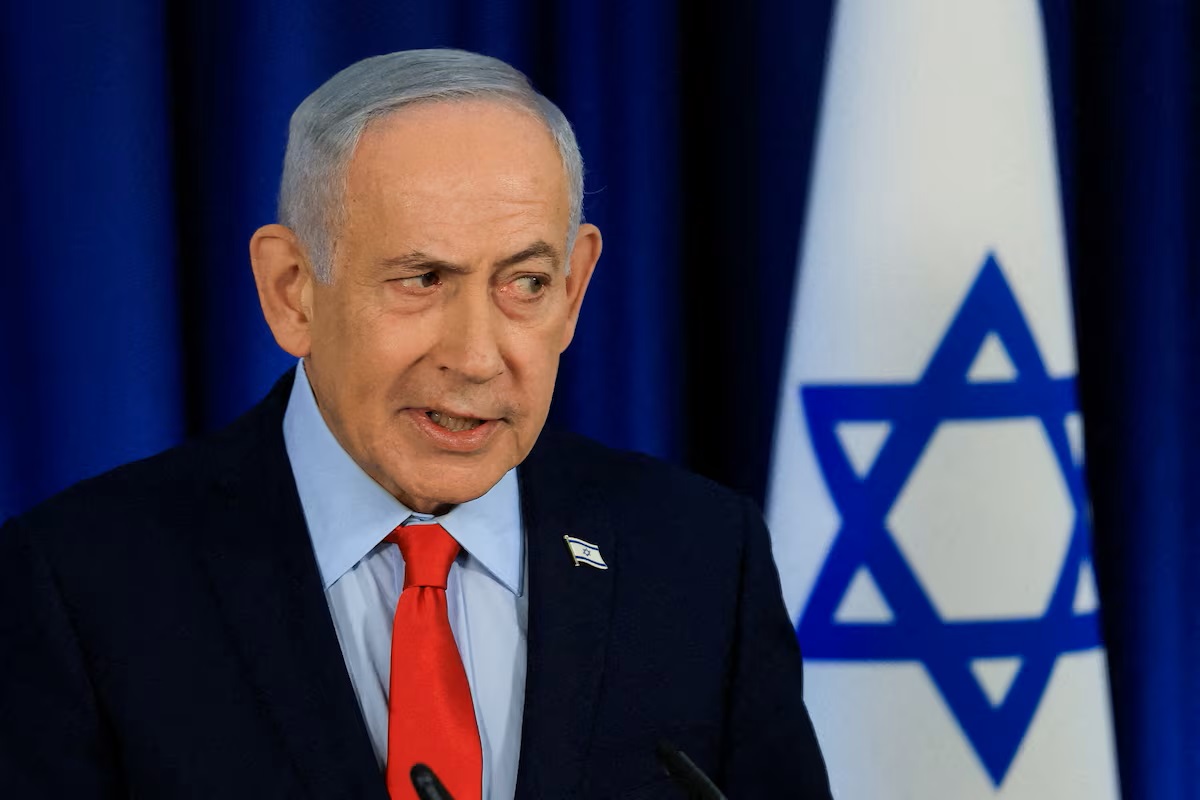
Benjamin Netanyahu faces political pressure as Israel considers its next steps over Iran.
JERUSALEM, November 13, 2026 — Israeli Prime Minister Benjamin Netanyahu retains the authority to direct national security policy and potentially order military action against Iran, even as he faces growing political pressure following an election setback. The possibility of renewed strikes has raised concerns among opposition leader Gadi Eisenkot, who is attempting to form Israel’s next government and has warned against launching military operations without an immediate security threat.
The central question is no longer simply whether Israel has the military capability to attack Iran. It is whether Netanyahu could make such a consequential decision while his government is operating in a caretaker capacity and negotiations over a new administration remain unresolved.
Key Points
Netanyahu remains Israel’s prime minister despite his political bloc failing to secure a parliamentary majority.
Opposition leader Gadi Eisenkot has warned against non-urgent military action during the government transition.
Israel’s security cabinet has reportedly instructed the military to increase preparations for possible action against Iran.
Netanyahu and Eisenkot held a security briefing on November 12.
The United States’ position remains an important factor in determining whether renewed military action proceeds.
Why Netanyahu Still Has Room to Act
Netanyahu has not automatically lost his executive powers because of the election result. Under Israel’s Basic Law, an outgoing government continues performing its duties until a successor is sworn in.
An analysis published by The Jerusalem Post on November 12 explains that Israeli law does not completely prevent a caretaker government from launching military operations. However, the government is expected to exercise restraint, particularly when decisions could be delayed until a new administration takes office.
Section 40 of Israel’s Basic Law: The Government requires a government decision, or an appropriately authorized security cabinet decision, before initiating a war or significant military action likely to lead to war. The law also preserves the government’s ability to take necessary defensive action.
Previous Israeli caretaker governments have overseen military operations, including Netanyahu’s own government in 2021. However, responding to an immediate security threat is different from initiating a broader offensive against another country. The Jerusalem Post
Eisenkot Raises Concerns Over Military Decisions
The political dispute intensified after Eisenkot warned Netanyahu against making major security decisions during the transition without an immediate threat.
According to The Times of Israel, Eisenkot initially sought regular intelligence briefings and intervention from Attorney General Gali Baharav-Miara. He argued that the incoming government leader needed sufficient information to oversee national security decisions.
Netanyahu’s office rejected accusations that political considerations were influencing military decisions. It said government actions were based on security needs and coordinated with the defense establishment.
The two political rivals subsequently held a security briefing in Jerusalem on November 12, lasting approximately two hours. A joint statement confirmed that Eisenkot had received an update on Israel’s security and diplomatic challenges. The Times of Israel+1
Washington Could Be the Deciding Factor
The most important development is the disagreement between Netanyahu and US President Donald Trump over whether military action against Iran should resume.
According to an Axios report published November 13, Mossad director Roman Gofman travelled to Washington for discussions with senior Trump administration officials about Iran. The report, citing three sources familiar with the matter, said Netanyahu was pressing Trump to resume military operations.
Gofman was expected to meet CIA Director John Ratcliffe and potentially White House envoy Steve Witkoff. The CIA, Mossad and White House declined to comment, according to Axios.
However, Trump has so far resisted Netanyahu’s reported pressure. His administration has instead continued economic and naval pressure on Iran while exploring the possibility of an agreement.
This disagreement matters because Israel’s ability to conduct military operations does not automatically mean it has secured Washington’s support for another major campaign. Axios+1
Meanwhile, Al Jazeera reported on November 12 that Iran had warned of wider retaliation if attacked again. Iranian security official Mohsen Rezaei said military bases involved in an attack could become targets, potentially extending the confrontation beyond the immediate region. Al Jazeera
Is Another Iran Strike Imminent?
There is currently no verified confirmation that Netanyahu has made a final decision to launch another offensive against Iran.
Reports of increased military readiness, political warnings and diplomatic discussions indicate that the possibility remains under consideration. They do not establish that an attack is scheduled or inevitable.
The next important developments will be the progress of Eisenkot’s coalition negotiations, decisions by Israel’s security leadership and Washington’s position on renewed military action.
For Netanyahu, the challenge is not simply whether he can order military action. It is whether he can justify such a decision legally, secure the necessary institutional backing and manage the diplomatic consequences while his political future remains uncertain.
Sources and reporting: Reuters, Associated Press, Al Jazeera, Axios, The Times of Israel and The Jerusalem Post.
Hello! I'm M Muzamil Shami, the founder and lead editor of Star Struck Times, your trusted source for trending news, entertainment scoops, celebrity gossip, sports highlights, and global headlines.
With a passion for storytelling and journalism, I created this platform to bring you breaking news, viral moments, and deep insights into the worlds of Bollywood, Hollywood, sports, politics, tech, and more — all in one place.