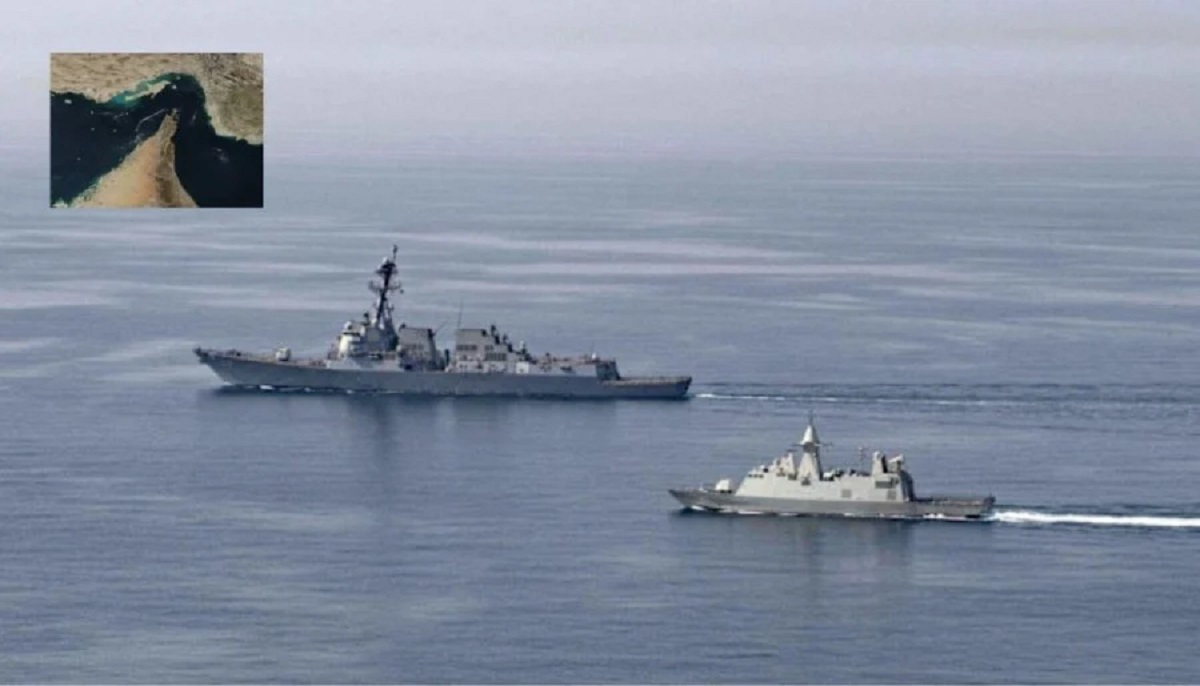
The United Arab Emirates (UAE) has taken a decisive diplomatic step by urging the world to form a multinational maritime task force to reopen the strategically vital Strait of Hormuz, currently disrupted by ongoing conflict and Iranian threats. The UAE’s announcement, made on March 27, 2026, signals increasing regional involvement in efforts to restore safe commercial navigation through a waterway that channels roughly 20% of global oil and gas shipments.
In the opening days of this unfolding crisis, maritime traffic has plunged and international energy markets are under pressure. Hopes now rest on coalition building to safeguard the strait — a key element in global supply chains — and restore confidence among shipping firms.
In the first 100 words of this article, we link to our World Affairs category for broader context on international strategic developments.
Key Highlights
UAE advocates for “Hormuz Security Force” — a multinational maritime initiative to secure shipping lanes.
Iran’s actions have sharply reduced traffic through the strait, heightening global trade and energy risks.
Bahrain joins UAE push alongside diplomatic talks with Saudi Arabia and other partners.
UN mandate sought — UAE and allies propose Security Council backing.
Global pushback expected from Russia and China in diplomatic arenas.
What’s Happening: The UAE’s Strategic Call
The UAE has publicly expressed willingness to contribute naval assets to an international force aimed at reopening the Strait of Hormuz, which has seen sharply reduced commercial traffic due to ongoing hostilities and Iranian military actions. The proposal — dubbed the “Hormuz Security Force” — seeks participation from Western allies and regional partners to provide convoy support and maritime security.
A senior UAE official told Financial Times negotiators have contacted multiple nations in recent days to build momentum. France has reportedly already spoken to about35 countries regarding post-conflict maritime security planning.
Expert view:“Securing critical chokepoints like Hormuz requires both political legitimacy and operational coordination,” said a Geneva-based maritime security analyst. “A multinational force with a United Nations mandate could provide the legal backbone and operational clarity needed.”
Oil markets have reacted nervously, with Brent crude climbing on fears of extended closure.
Shipping firms are rerouting through the southern tip of Africa or delaying voyages.
Bahrain publicly supports the UAE’s initiative, while Saudi Arabia and others are in consultations, signalling varied levels of commitment.
Russia and China are expected to oppose UN resolutions authorising such a force, citing geopolitical tensions.
A veteran shipping captain told Reuters: “Safety for crews and commercial assets is paramount — we need a credible security plan, not just words.”
Why It Matters: Global Trade and Energy Impact
The Strait of Hormuz is one of the world’s most critical chokepoints for energy transit, linking the Persian Gulf with international waters and global markets. Its effective closure has already:
Disrupted energy exports — especially crude oil and LNG.
Increased freight costs and forced companies to reroute ships.
Raised concerns about inflation and supply chain bottlenecks worldwide.
Economists warn that prolonged insecurity could keep oil prices elevated, affecting energy-importing countries deeply.
Context: Past Efforts and Escalations
The UAE’s move follows weeks of escalating tensions, including drone and missile attacks near or in the strait, which have discouraged transit. Recent ship strikes have drawn the attention of global shipping authorities and maritime trade organisations.
Historically, international maritime missions — such as the European Maritime Awareness in the Strait of Hormuz (EMASoH) — have operated to reassure shipping in high-risk environments, though none on the scale of the newly proposed force.
Unique Angle: Economic Stress on Regional Trade
Beyond high-level geopolitics, regional businesses and import-dependent industries are feeling ripple effects. Freight costs have nearly doubled for UAE importers, with port congestions in alternative routes reported. Sources within logistics networks say extended disruptions could reorient trade flows permanently.
What Happens Next
Diplomatic efforts to secure UN backing will be crucial in the coming days. The UAE’s campaign hinges on persuading hesitant partners to commit ships and resources. A Security Council vote is expected soon, though veto risks from major powers loom.
Global markets will closely watch developments, and further announcements from Washington, Paris, and Riyadh are anticipated this week.
FAQs (Frequently Asked Questions)
1. Why is the Strait of Hormuz strategically important? It links the Persian Gulf with global waters and carries about 20% of global oil and gas exports.
2. What is the “Hormuz Security Force”? A proposed international maritime task force to secure safe passage through the Strait of Hormuz.
3. Which nations support the UAE initiative? Bahrain has publicly supported it, while France and other Western countries are in talks.
4. How has maritime traffic been affected? Significantly reduced, with many companies rerouting or delaying voyages due to risk.
5. What could derail the UN-backed effort? Opposition from Russia or China at the Security Council could block legal authorisation.
Sources
Reuters — UAE willing to join international force to reopen Strait of Hormuz
Financial Times — France says it approached 35 countries over future Hormuz mission
The Guardian — Visual guide to trickle of ships through Hormuz
Stay updated with Star Struck Times for real-time developments on global geopolitics and strategic trade corridors.
Hello! I'm M Muzamil Shami, the founder and lead editor of Star Struck Times, your trusted source for trending news, entertainment scoops, celebrity gossip, sports highlights, and global headlines.
With a passion for storytelling and journalism, I created this platform to bring you breaking news, viral moments, and deep insights into the worlds of Bollywood, Hollywood, sports, politics, tech, and more — all in one place.