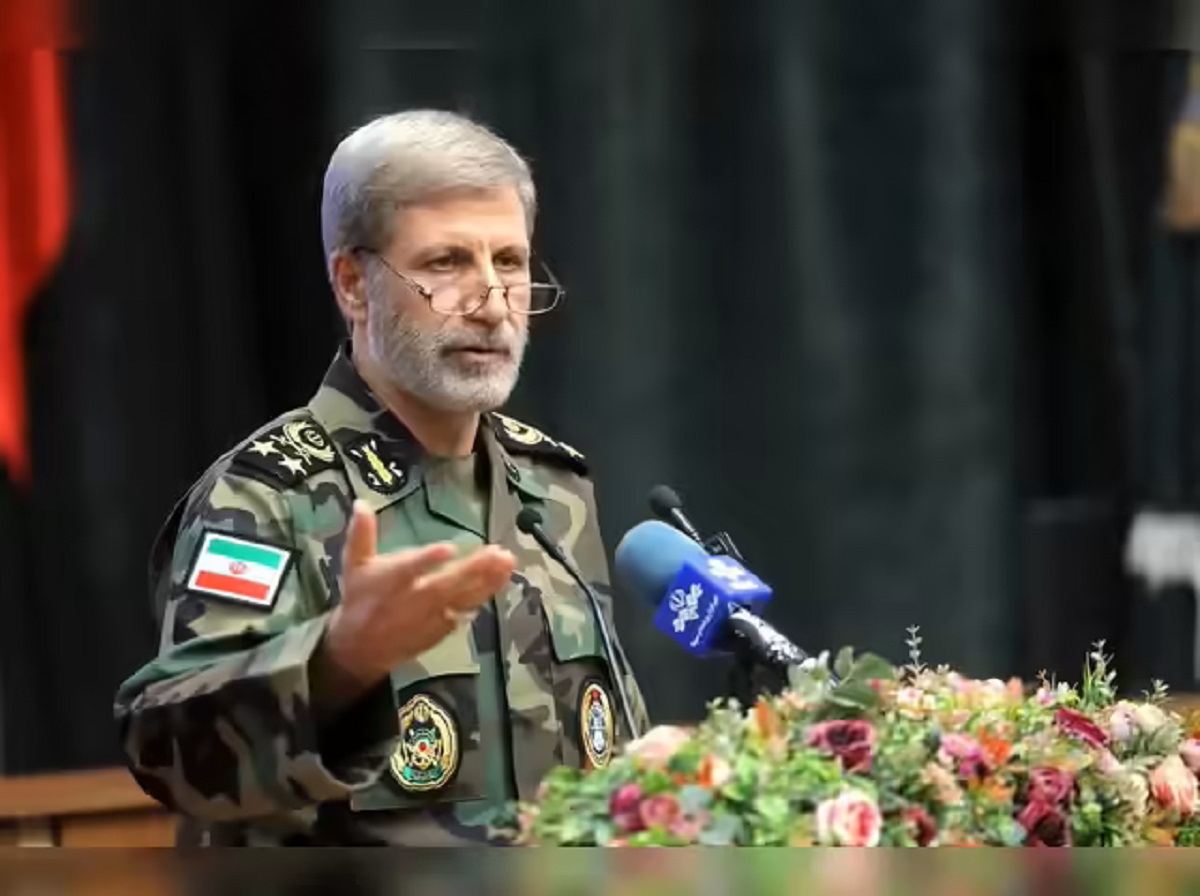
Iran-Israel conflict escalation intensifies amid rising global tensions
Karachi, Pakistan, April 2, 2026, 6:30 PM — Star Struck Times
The Iran-Israel conflict escalation has entered a dangerous new phase as tensions surge following threats of a possible ground invasion. According to multiple international reports, Iranian commanders have issued stark warnings amid intensified airstrikes and infrastructure damage across both nations. With rising fears of direct confrontation involving the United States, global leaders are closely monitoring the situation. For more geopolitical updates, visit our World News section.
Key Highlights
Iran warns against any ground invasion, issuing severe retaliation threats
Israel increases bombardment targeting key infrastructure
Power outages reported in Tehran amid energy facility damage
Industrial sites in Israel reportedly hit by Iranian strikes
Rising concerns over potential US military involvement
Global markets and oil prices react to instability
What Happened: Rapid Escalation Across the Region
The Iran-Israel conflict escalation intensified after a series of retaliatory airstrikes exchanged between the two nations earlier this week. Reports from BBC and Al Jazeera indicate that critical energy infrastructure in Tehran was damaged, leading to widespread power outages.
Simultaneously, Israeli industrial zones reportedly caught fire following missile strikes attributed to Iranian forces. According to NDTV, Iranian commanders warned that “no US soldier should survive” if a ground invasion is initiated — a statement that has raised alarm globally.
The situation escalated further after a recent speech by Donald Trump, which reportedly hinted at stronger military positioning in the region.
Global Reaction: Fear, Diplomacy, and Strategic Silence
World leaders are responding with a mix of caution and urgency. The United Nations has called for immediate de-escalation, warning that further conflict could destabilize the entire Middle East.
A senior geopolitical analyst stated:
“This is no longer a proxy conflict. We are approaching a direct confrontation that could reshape global alliances.”
Meanwhile, citizens in both Iran and Israel have taken to social media expressing fear and uncertainty.
One user from Tehran posted:
“We are sitting in darkness, not knowing what comes next.”
An Israeli resident wrote:
“Sirens are constant. This feels like the beginning of something bigger.”
Why This Matters: A Potential Global Flashpoint
The Iran-Israel conflict escalation is not just a regional issue — it carries global consequences.
The Middle East is a critical hub for oil supply, and instability could spike global energy prices
Any US military involvement could trigger wider international conflict
Neighboring countries risk being pulled into a prolonged war
Financial markets have already shown volatility in response
Historically, tensions between Iran and Israel have remained indirect, often playing out through proxy forces. However, this direct exchange of strikes marks a significant shift.
The Bigger Picture: Are We Heading Toward Ground War?
Military experts believe the current rhetoric signals preparation rather than immediate action.
A defense strategist noted:
“Ground invasions are costly and politically risky. But the language being used suggests both sides are preparing for worst-case scenarios.”
Satellite imagery cited by international observers reportedly shows increased troop movement near sensitive zones, although no official confirmation has been made.
Unique Insight: The Hidden Cyber War Dimension
While most headlines focus on missiles and airstrikes, cybersecurity experts warn of an ongoing silent digital war.
Financial systems could be targeted
Power grids may face cyberattacks
Communication networks remain vulnerable
This “invisible battlefield” could disrupt civilian life far beyond the war zone — a factor many outlets are not fully addressing.
What Happens Next?
The coming days will be critical.
Diplomatic channels may intensify behind the scenes
The US could clarify its military stance
Further strikes may escalate tensions beyond control
Global organizations may push for emergency peace talks
If de-escalation fails, this conflict risks transforming into one of the most significant military confrontations of the decade.
FAQs
1. What caused the latest Iran-Israel conflict escalation?
Recent airstrikes and political statements, including warnings about ground invasion, triggered the escalation.
2. Is the US involved in the conflict?
Not directly yet, but threats and strategic positioning suggest possible involvement.
3. Why are power outages happening in Tehran?
Energy infrastructure was reportedly damaged during Israeli strikes.
4. Could this lead to World War 3?
While unlikely immediately, escalation involving multiple nations could increase global risk.
5. How is this affecting global markets?
Oil prices and stock markets are showing volatility due to uncertainty in the region.
Hello! I'm M Muzamil Shami, the founder and lead editor of Star Struck Times, your trusted source for trending news, entertainment scoops, celebrity gossip, sports highlights, and global headlines.
With a passion for storytelling and journalism, I created this platform to bring you breaking news, viral moments, and deep insights into the worlds of Bollywood, Hollywood, sports, politics, tech, and more — all in one place.