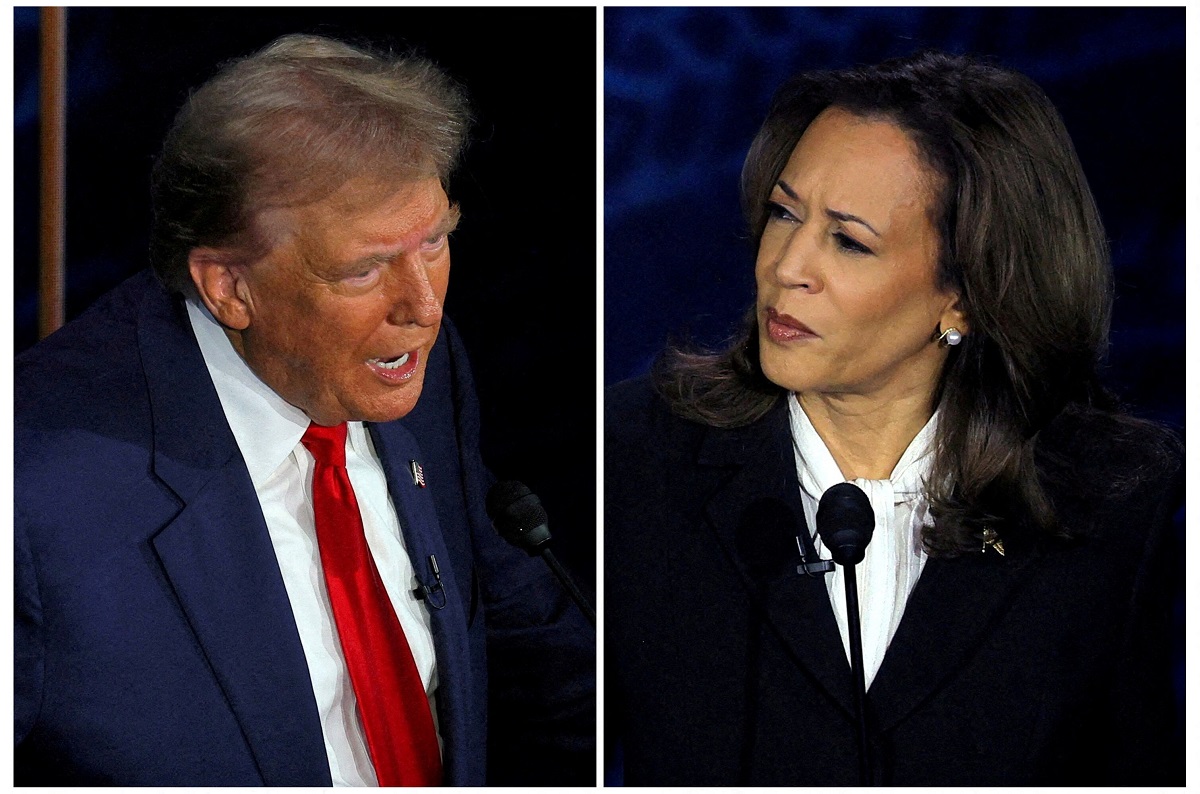
Democrats gather in Denver following their sweeping midterm victory as disagreements emerge over economic policy and their approach to President Donald Trump.
DENVER, November 14, 2026 — Democrats are celebrating a sweeping victory in the US midterm elections, but disagreements over how to govern, confront President Donald Trump and tackle the rising cost of living are already exposing divisions within the party.
The tensions surfaced at the party’s first major gathering following the November 3 elections, where moderates and progressives offered competing visions for the Democrats’ next two years in Congress. While both sides agreed that reducing financial pressure on American families must be a priority, they disagreed over how far the party should move left and whether cooperation with Trump is a practical necessity or a political mistake.
Key Points
1. Democratic Victory: Democrats secured a sweeping win in the November 3, 2026, midterm elections, gaining control of both chambers of Congress.
2. Moderate vs. Progressive Divide: Party members disagree over whether to pursue ambitious left-wing reforms or adopt a more centrist approach.
3. Trump Strategy Disagreement: Democrats are divided over whether to cooperate with President Donald Trump or take a more confrontational approach.
4. Economic Priorities: Lowering food, healthcare and housing costs remains a central promise, but lawmakers disagree over how to achieve it.
5. Legislative Challenges: Despite controlling Congress, Democrats may struggle to pass major legislation because Trump retains presidential veto power.
Progressives Push for Bigger Economic Changes
California Representative Ro Khanna called for Democrats to embrace a more ambitious economic programme rather than trying to appeal to the political centre.
His proposals included universal healthcare, a wealth tax, a $25 federal minimum wage, substantial Pentagon spending cuts and abolishing US Immigration and Customs Enforcement (ICE).
Pennsylvania Governor Josh Shapiro, meanwhile, argued that Democrats should move beyond ideological arguments and concentrate on delivering practical results for voters.
Shapiro, considered a potential contender for the 2028 presidential nomination, said voters were more concerned about whether politicians could improve their lives than about internal political debates.
The contrasting positions illustrate a central challenge for Democrats: their election victory brought together moderates and progressives, but it did not necessarily give either faction control over the party’s future direction.
Trump Strategy Creates Another Point of Conflict
The question of how to deal with Trump also divided speakers at the Denver gathering.
Texas Senator James Talarico urged Democrats to work with the president where possible, arguing that his remaining two years in office could be used to achieve meaningful results.
Iowa Governor-elect Rob Sand also supported cooperation, suggesting that constant partisan confrontation would make it harder to address the country’s problems.
Other prominent Democrats took a considerably tougher position.
Representative Jamie Raskin called for Congress to restore its oversight authority, while former Attorney General Eric Holder warned against excessive caution and attempts to seek bipartisan approval from an administration he believes is undermining democratic institutions.
The disagreement highlights the difficulty of balancing legislative cooperation with the party’s promise to hold the Trump administration accountable.
Why the Election Victory May Not Guarantee Policy Changes
The most important challenge facing Democrats is that controlling Congress does not give them unrestricted power to implement their programme.
According to Reuters’ November 14 report, Democrats are projected to hold at least 255 seats in the House of Representatives, with 12 contests still undecided. Their Senate majority is projected to stand at least at 55-44, with another seat potentially being decided in Alaska.
Those numbers give Democrats control of both chambers, but they remain short of the two-thirds majority required in each chamber to override a presidential veto.
Trump therefore retains a significant ability to block legislation, making negotiations with Republicans potentially necessary even when Democrats agree on their own priorities.
This creates a difficult political calculation. Democrats must demonstrate that they can deliver improvements in areas such as food, healthcare and housing costs while dealing with a president whose administration may oppose their proposals.
Democrats Warn Against Wasting Their Opportunity
Despite the disagreements, speakers shared concerns that the party could lose public support if it fails to turn its electoral success into meaningful results.
Arizona Senator Ruben Gallego offered a particularly pointed assessment, describing the election victory as a temporary opportunity rather than a permanent endorsement of the Democratic Party.
His warning reflects the uncertainty facing the party as it begins preparing for the 2028 presidential election while taking responsibility for a new congressional majority.
For now, Democrats have a clear political advantage following their midterm success. However, their ability to maintain that momentum will depend on whether competing factions can agree on priorities, find workable compromises and demonstrate progress on the economic concerns that helped bring voters to their side.
The Denver gathering made one thing clear: winning the election was only the first challenge. Governing as a divided party could prove considerably harder.
Hello! I'm M Muzamil Shami, the founder and lead editor of Star Struck Times, your trusted source for trending news, entertainment scoops, celebrity gossip, sports highlights, and global headlines.
With a passion for storytelling and journalism, I created this platform to bring you breaking news, viral moments, and deep insights into the worlds of Bollywood, Hollywood, sports, politics, tech, and more — all in one place.