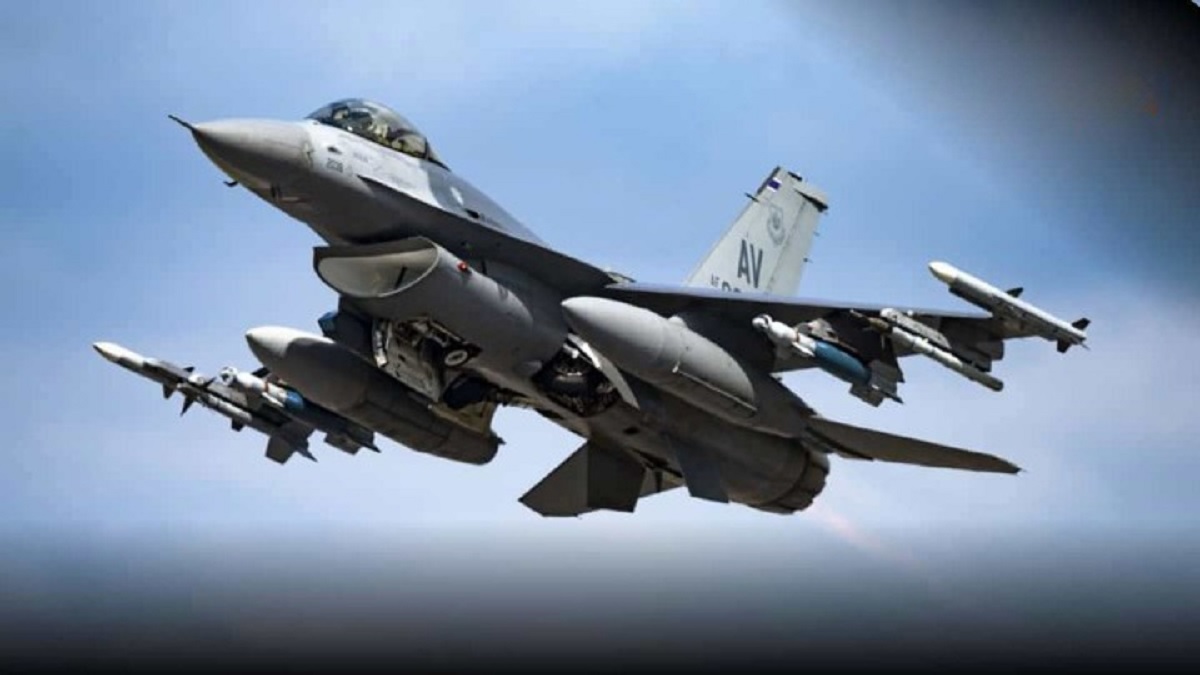
The Trump administration approves a major $686M F-16 upgrade package for Pakistan.
Washington fast-tracks two major military packages for Islamabad as defense cooperation deepens ahead of 2025 regional security shifts.
According to The Times of India, the U.S.–Pakistan F-16 deal 2025 has advanced after the Trump administration cleared a $686 million arms and technology package, alongside another $686M military aid initiative. The move marks a major shift in defense cooperation and has triggered wide debate among policymakers and regional observers about America’s evolving role in South Asia.
Key Points
Trump approves $686M F-16 tech package for Pakistan.
A separate $686M military aid package is also being arranged.
Signals renewed U.S.–Pakistan defense alignment.
Regional analysts view it as a counter-balance to India’s rapid military growth.
Deal includes training, counterterrorism upgrades, and advanced avionics.
WASHINGTON (Star Struck Times) — The Trump administration has officially cleared a $686 million advanced F-16 upgrade package for Pakistan, a move confirmed in recent reporting by The Times of India. The high-value defense approval, announced in Washington within the last 24 hours, marks one of the most significant U.S.–Pakistan military cooperation developments in years and comes at a time of rising geopolitical tension across South Asia.
The package includes cutting-edge avionics, weapons integration systems, and combat-readiness technology that U.S. defense officials say will modernize Pakistan’s frontline fighter fleet. At the same time, a second $686 million military aid package, focusing on counterterrorism, training, and logistics, is being arranged as part of Washington’s renewed strategic engagement with Islamabad. Together, the deals signal a deeper realignment of regional partnerships as the U.S. recalibrates its defense posture for 2025.
According to reports, the approval follows months of closed-door diplomatic exchanges and defense-level consultations between U.S. and Pakistani officials. The advanced F-16 upgrade is expected to significantly enhance Pakistan’s aerial surveillance and precision-strike capabilities — a development defense experts say could shift tactical balances across the region. “This is one of the largest U.S. defense authorizations for Pakistan in nearly a decade,” noted a South Asia security analyst familiar with the discussions.
Reaction among geopolitical watchers has been swift. Some see the dual-deal approval as a strategic counterweight to India’s expanding military modernization program, including its new defense agreements with Western suppliers. Others believe the move is tied to Washington’s effort to maintain leverage in South Asia as major powers reposition themselves for long-term influence. Social discussions also trended across defense forums, with one aviation enthusiast writing, “This F-16 upgrade makes Pakistan’s fleet far more competitive — a game-changer for regional airpower.”
Officials within Pakistan’s defense establishment have welcomed the development, emphasizing its role in counterterrorism and national security. While no formal government statement has been released yet, sources familiar with the matter say Islamabad views the deal as vital to maintaining stability amid rising cross-border threats. A senior retired Pakistani air force officer commented informally, “Upgraded F-16s will strengthen our deterrence and reinforce our long-standing security partnership with the United States.”
Early audience responses reflect a mix of optimism, curiosity, and geopolitical caution. Supporters argue that the renewed U.S.–Pakistan alignment could help stabilize regional tensions and enhance counterterrorism operations. Critics, however, warn it could intensify the strategic competition between India and Pakistan, especially as New Delhi continues to deepen its defense ties with the United States and major European partners. Online, discussions highlighted concerns about how the move might influence future diplomatic negotiations, military readiness, and regional power projection.
As Washington and Islamabad move forward, defense analysts say the dual-package signals a broader policy recalibration under the Trump administration. The U.S. appears increasingly focused on reinforcing alliances that support its 2025 Indo-Pacific strategy, even as larger global shifts continue to reshape traditional partnerships. For Pakistan, the deal strengthens its long-term modernization goals and builds on decades of operational familiarity with the F-16 platform.
While details on delivery timelines, training modules, and technology transfer specifics are expected to emerge in the coming weeks, early indications suggest both sides see the partnership as mutually beneficial. With global competition intensifying, the coming months will determine how these defense agreements shape regional power balances — and whether the U.S.–Pakistan defense track continues its upward trajectory as new geopolitical realities take shape.
FAQs
Q1: What does the $686M F-16 package include? It includes advanced avionics, weapons integration systems, targeting upgrades, and combat-readiness enhancements.
Q2: Is the second $686M package separate? Yes. It covers counterterrorism support, training programs, and logistical upgrades.
Q3: Why is this significant for Pakistan? It strengthens aerial defense, enhances long-range capabilities, and improves interoperability with U.S. military systems.
Q4: How is India reacting? Analysts suggest India is monitoring the development closely due to regional security implications.
Q5: Will this shift U.S. policy in South Asia? It reflects a broader recalibration of Washington’s regional strategy heading into 2025.
Stay updated with Star Struck Times for real-time developments on global defense, South Asia geopolitics, and U.S.–Pakistan relations.
Hello! I'm M Muzamil Shami, the founder and lead editor of Star Struck Times, your trusted source for trending news, entertainment scoops, celebrity gossip, sports highlights, and global headlines.
With a passion for storytelling and journalism, I created this platform to bring you breaking news, viral moments, and deep insights into the worlds of Bollywood, Hollywood, sports, politics, tech, and more — all in one place.











Can you be more specific about the content of your article? After reading it, I still have some doubts. Hope you can help me.
I don’t think the title of your article matches the content lol. Just kidding, mainly because I had some doubts after reading the article.